




A New Direction: Camille Miceli’s Siena-Inspired Vision for Pucci
For her latest collection, Creative Director Camille Miceli pivoted away from the brand’s well-trodden path of 1970s psychedelic nostalgia. Instead, she looked toward the raw, adrenaline-fueled intensity of the Palio di Siena. By drawing inspiration from this ancient, bareback horse race held in the heart of a medieval Italian piazza, Miceli has successfully unearthed a fresh, historical narrative for the Florentine fashion house.
Beyond the Archive: The Palio’s Influence
The Palio di Siena is far from a subtle affair; it is a high-stakes, visceral display of pageantry, featuring vibrant flags, symbolic heraldry, and a competitive spirit that borders on the obsessive. This intensity serves as a surprisingly natural evolution for Pucci’s aesthetic.
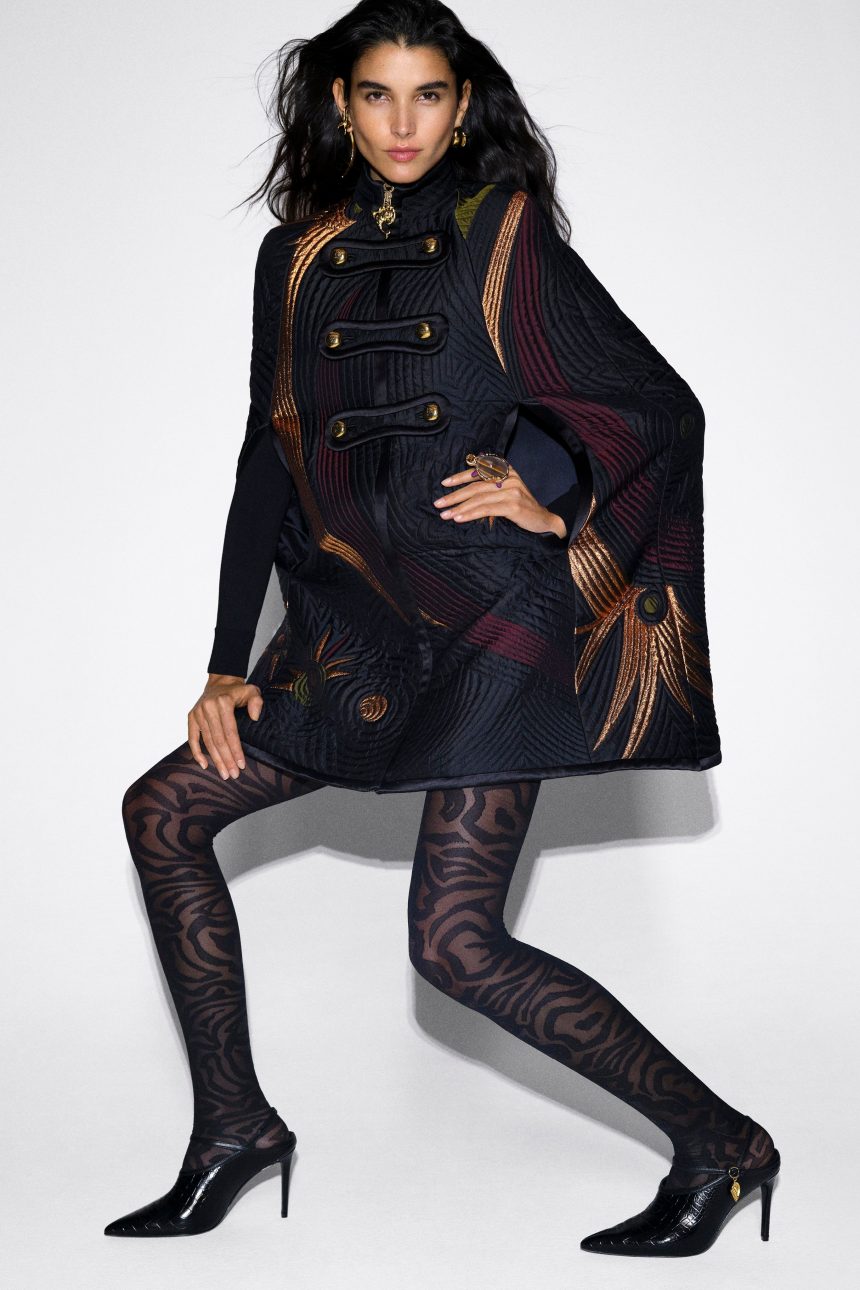
Miceli’s research led her to the archives of the Siena Contrade (the city’s historic districts), where she uncovered a fascinating revelation: Emilio Pucci himself had previously drawn inspiration from these very symbols. By reinterpreting these traditional emblems-ranging from stylized animals to district-specific motifs-Miceli has transformed heritage iconography into modern, wearable art. These symbols now appear not just as flat prints, but as intricate jewelry pieces and structural design elements that feel both ancient and avant-garde.
Redefining the Pucci Silhouette
While the brand is synonymous with vibrant patterns, Miceli is actively shifting the focus toward garment construction and sensory experience. The latest collection introduces a more sensual, pointed vocabulary:
* Dynamic Geometry: Classic prints have been manipulated, stretched, and distorted to create a sense of kinetic energy, moving away from static patterns toward fluid, rhythmic designs.
* Heraldic Drama: A striking black-and-gold zebra motif evokes the grandeur of medieval crests, grounding the collection in a sophisticated, nocturnal palette.
* Materiality: The strategic use of gold accents adds a layer of decadent, evening-ready luxury that elevates the pieces beyond simple resort wear.
Establishing a Fashion Identity
The broader industry trend toward “quiet luxury” has pushed many heritage brands to reconsider their visual identity. According to recent market analysis, luxury consumers are increasingly prioritizing craftsmanship and brand narrative over logo-heavy or print-dominant designs. Miceli is clearly attuned to this shift.
Her primary objective is to cement Pucci’s reputation as a comprehensive fashion house-a label defined by its silhouette, tailoring, and creative vision-rather than a brand that relies solely on its legendary print archive. By balancing the house’s signature flamboyance with a newfound structural discipline, Miceli is successfully steering Pucci into a new era of relevance.