

Behind the Scenes of the Wonder Woman 3 Cancellation: Gal Gadot Reflects on the DC Transition
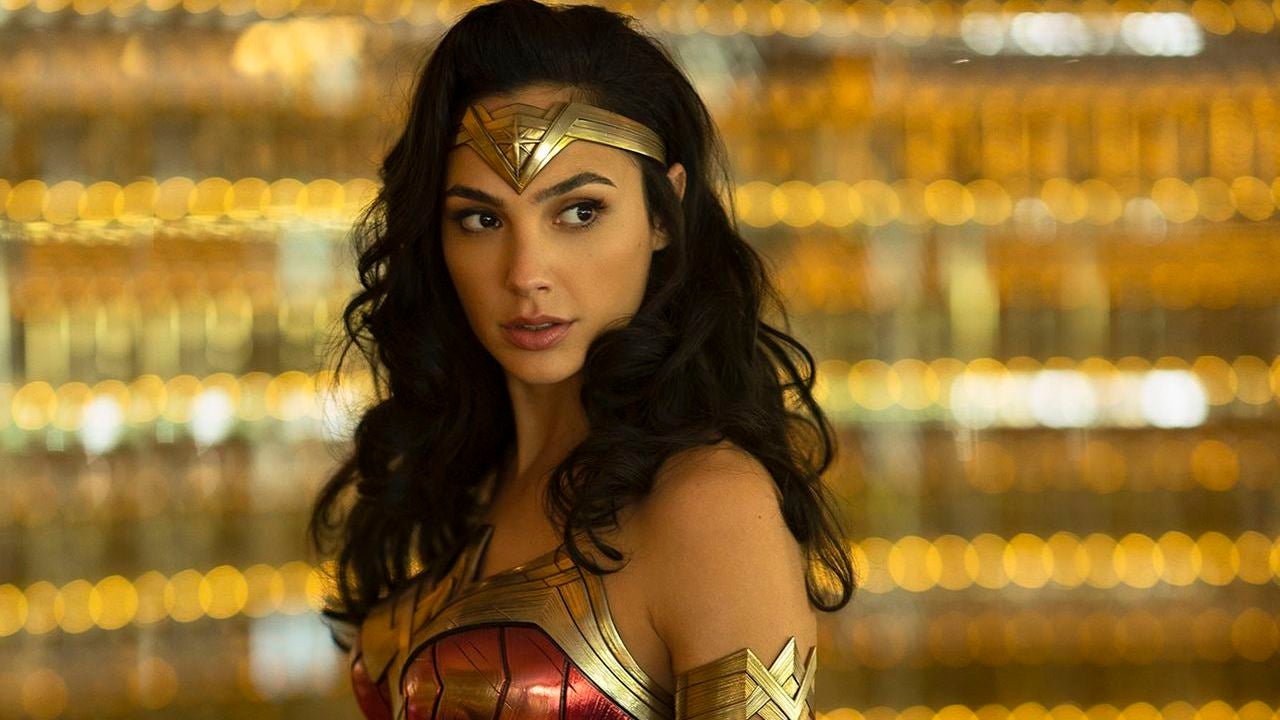
The trajectory of the Wonder Woman franchise under the DC banner has been nothing short of a rollercoaster. For fans and industry observers alike, the fate of the third installment became a symbol of the chaotic restructuring that defined the studio’s shift toward a new cinematic universe. Recently, Gal Gadot provided fresh insight into the turbulent period that ultimately led to the shelving of her third solo outing as Diana Prince.
Navigating the Leadership Shift
When James Gunn and Peter Safran were appointed to spearhead DC Studios, the industry braced for a total overhaul. This transition period, which began in late 2022, saw the studio pivot away from the “Snyderverse” era to make room for a cohesive, interconnected DC Universe (DCU).
According to Gadot, the communication during this transition was far from seamless. The actress noted that while the process “wasn’t handled elegantly,” she maintains a professional relationship with the new leadership. Her perspective highlights the friction often found when new creative visions collide with established, long-running franchises.
The “Greenlight” Paradox
The timeline of Wonder Woman 3 remains a case study in corporate inconsistency. Initially, the project was fast-tracked, with Gadot and director Patty Jenkins publicly attached to continue the story. However, as the studio’s strategic goals shifted, the project faced a series of conflicting signals:
* Initial Momentum: The project was officially announced, signaling a clear path forward for the Amazonian warrior.
* The Pivot: As Gunn and Safran assumed control, reports surfaced suggesting the film was no longer a priority.
* The Contradiction: Gadot herself had previously shared that she was under the impression her return was confirmed under the new regime, only for subsequent reports to clarify that the project was not, in fact, in active development.
This back-and-forth created a public relations headache for the studio. In an era where transparency is expected, the mixed messaging regarding the DCU’s slate left audiences confused about which legacy characters would survive the reboot.
Lessons from the DCU Overhaul
The cancellation of Wonder Woman 3 serves as a reminder of the volatility inherent in major franchise filmmaking. Much like a pilot program being scrapped during a network’s rebranding, the decision to move on from Jenkins’ vision was a calculated-albeit controversial-move to start fresh.
While the DCU is now moving forward with projects like Superman and a new slate of interconnected stories, the “messy” nature of the Wonder Woman transition remains a point of discussion. Gadot’s ability to move past the situation reflects the pragmatic nature of Hollywood, where creative directions can change as quickly as the box office trends that dictate them. As of 2026, the studio continues to focus on its new roadmap, leaving the legacy of the previous era firmly in the rearview mirror.