




Beyond the Spotlight: Tom Cruise’s Hidden Creative Influence on Days of Thunder
Paramount
While audiences primarily recognize Tom Cruise as the face of high-octane blockbusters, his involvement in the filmmaking process often extends far beyond his performance in front of the camera. Since his meteoric rise to global fame following the release of “Top Gun,” Cruise has evolved into a hands-on architect of his own cinematic projects. While he occasionally steps back to serve the vision of legendary auteurs like Stanley Kubrick or Steven Spielberg, he is frequently the primary engine driving the creative direction of his films.
The Architect Behind the Action
Cruise’s reputation as a perfectionist is well-documented, but his influence is often more collaborative than dictatorial. Rather than simply showing up to recite lines, he functions as a creative partner, contributing to story development and maintaining a relentless pace on set. This level of dedication is not merely about control; it is about fostering an environment where excellence is the baseline. Colleagues frequently describe him as a leader who inspires peak performance through his own tireless work ethic-a trait that has become synonymous with his brand.
This intensity is not without its firm edges. Cruise is known for his unwavering commitment to safety and production standards, famously demanding strict adherence to health protocols during the filming of Mission: Impossible – Dead Reckoning. His ability to balance a genial, supportive personality with the iron-willed discipline required to manage massive budgets-often exceeding $200 million for his recent projects-is what sets him apart in an industry where many stars remain passive participants.
A Deeper Dive into Days of Thunder
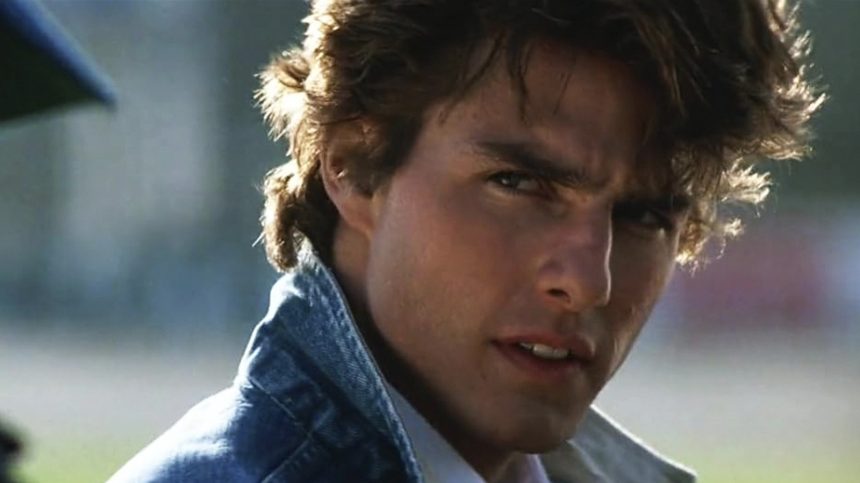
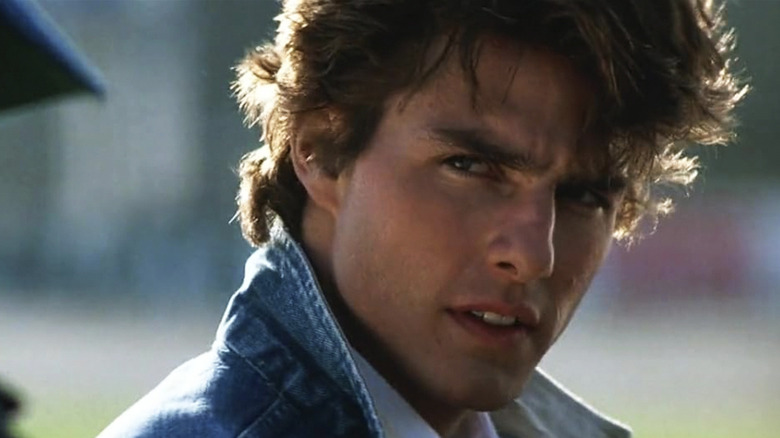
One of the most fascinating examples of this behind-the-scenes influence is found in the 1990 racing drama Days of Thunder. Often cited as an underrated gem in his filmography, the movie served as a pivotal moment where Cruise transitioned from a leading man to a creative force. Beyond portraying the hot-headed driver Cole Trickle, Cruise was instrumental in shaping the narrative itself, earning a story credit that highlighted his burgeoning interest in the mechanics of storytelling.
By taking an active role in the script’s development, Cruise helped ground the high-speed spectacle in a character-driven arc that resonated with audiences, even if the film didn’t reach the cultural ubiquity of his later hits. This early foray into writing and development laid the groundwork for his future as a producer, where he would eventually oversee the massive, complex logistics of the Mission: Impossible franchise. His work on Days of Thunder proved that he wasn’t just interested in the glory of the finish line; he was deeply invested in the engine that made the car run.