




New Restrictions Coming to Xbox Cloud Gaming: What You Need to Know
Microsoft is introducing a significant shift in how users interact with its cloud gaming ecosystem. Beginning this November, the company is implementing a structured cap on monthly streaming hours across various Game Pass membership levels. This move marks a departure from the previous model of unlimited cloud access, signaling a strategic pivot in how the platform manages its server infrastructure.
Breakdown of the New Monthly Time Caps
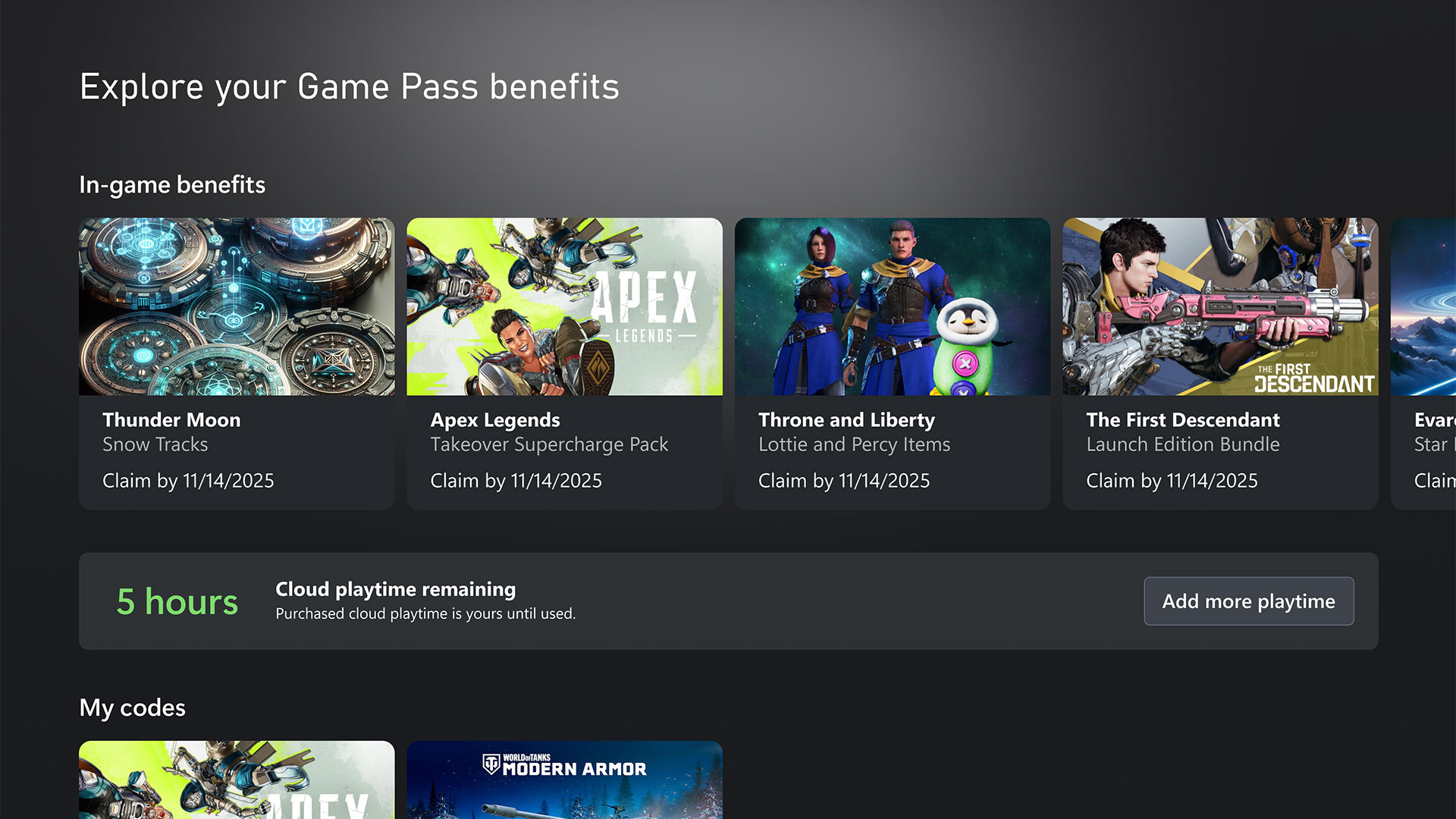
Under the updated policy, the amount of time you can spend streaming games directly from the cloud will depend on your specific subscription tier. The new limits are structured as follows:
- Game Pass Ultimate: 15 hours per month.
- Game Pass Premium: 10 hours per month.
- Game Pass Essential: 5 hours per month.
For those who find themselves hitting these ceilings before the month concludes, Microsoft has confirmed that additional playtime will be available for purchase via the Xbox store. While specific pricing tiers have yet to be finalized and may fluctuate based on regional market conditions, this “top-up” system will also be open to non-subscribers who wish to utilize cloud streaming on an ad-hoc basis.
The Rationale Behind the Shift
Microsoft has addressed the controversy surrounding these limitations by citing the escalating operational costs associated with cloud infrastructure. As cloud gaming adoption rates climb and average session lengths increase, the strain on data centers becomes more pronounced. According to the company, this change-which they estimate will affect roughly four percent of their total user base-is a necessary step to ensure the long-term stability and performance quality of the service.
Bridging the Hardware Gap
Despite these new constraints, cloud gaming remains a vital tool for those still utilizing older hardware. By streaming Series X/S titles directly to an Xbox One, players can bypass the need for expensive hardware upgrades, a benefit that remains particularly relevant given the ongoing volatility in console pricing and availability. While the current library of cloud-compatible titles is curated, Microsoft has committed to broadening this selection throughout the coming year, aiming to make next-gen experiences more accessible to a wider audience.
Industry analysts note that this move mirrors trends seen in other high-bandwidth services, such as streaming video platforms that have begun to implement tiered access to manage server load. Whether this will impact long-term subscriber retention remains to be seen, but it clearly marks a new era for the accessibility of cloud-based gaming.