




### The Controversy Surrounding Tokenized Stocks: AMC’s Stance on Market Integrity
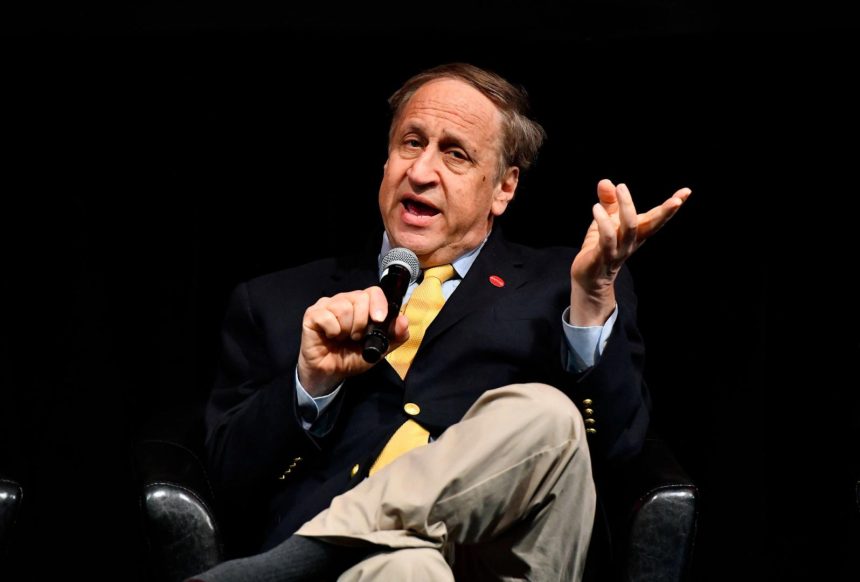
The intersection of traditional equity markets and blockchain-based assets has recently sparked a heated debate, centered on the legitimacy of “synthetic” shares. AMC Entertainment CEO Adam Aron has taken a firm public stance against the issuance of tokenized versions of his company’s stock, arguing that these digital derivatives threaten the fundamental rights of retail investors.
#### The Risks of Synthetic Equity
Aron’s primary concern lies in the potential for synthetic shares to siphon off buying pressure from the actual stock. When investors purchase a tokenized version of a security rather than the underlying asset, the demand signal that would typically influence the price of the real equity is diluted.
Beyond market mechanics, there is a significant governance issue at play. Shareholders who hold tokens rather than direct equity may find themselves stripped of essential rights, such as voting on corporate resolutions or participating in shareholder meetings. In the eyes of AMC’s leadership, these digital proxies create a fragmented market where the true value of the company is obscured by speculative derivatives.
#### Industry Perspectives on Tokenization
The pushback from AMC has resonated across the fintech sector, drawing support from various tokenization executives who advocate for stricter regulatory oversight. While proponents of blockchain technology often tout tokenization as a way to increase liquidity and accessibility, critics argue that without a direct link to the underlying asset, these products function more like betting instruments than genuine investments.
Recent data highlights the scale of this trend; as of late 2024, the market for tokenized real-world assets (RWAs) has seen a surge in volume, yet regulatory frameworks remain inconsistent across global jurisdictions. For instance, while some platforms claim their tokens are backed 1:1 by physical shares held in custody, the lack of transparency in these custodial arrangements has led to skepticism among institutional observers.
#### Protecting the Retail Investor
The core of the argument is simple: market transparency is non-negotiable. If investors are unaware that they are holding a synthetic derivative rather than a direct stake in a corporation, they are exposed to risks they may not fully understand. As the financial landscape continues to evolve, the pressure is mounting on platforms-such as Robinhood and other digital asset exchanges-to clarify the nature of these offerings and ensure that retail participants are not inadvertently sacrificing their shareholder protections for the sake of digital convenience.