





Navigating Iron-Deficiency Anemia: Diagnostic Pathways and Therapeutic Approaches
If you suspect your fatigue, dizziness, or pale complexion might be linked to iron-deficiency anemia, prioritizing a professional medical evaluation is the most effective way to regain your vitality. Understanding the clinical process-from initial screening to targeted intervention-can help demystify your path to recovery.
The Diagnostic Process: Identifying the Root Cause
The journey toward a diagnosis begins with a fundamental assessment. As noted by experts like Landau, the primary objective of initial screening is to confirm the presence of anemia by measuring your red blood cell count and hemoglobin levels.
However, confirming anemia is only the first step. Because anemia can manifest as a symptom of various underlying health issues, your physician must differentiate between iron deficiency and other potential culprits. A comprehensive diagnostic workup often investigates:
* Nutritional Deficiencies: Assessing levels of B12 or folate.
* Chronic Conditions: Evaluating kidney function or thyroid health.
* Systemic Inflammation: Checking for markers that might inhibit iron absorption.
* Gastrointestinal Health: Screening for occult blood loss, which is a common, often silent, cause of iron depletion.
According to recent data from the World Health Organization, iron deficiency remains the most common nutritional disorder globally, affecting over 30% of the world’s population. Because the symptoms are often non-specific, clinicians rely on these blood panels to ensure that treatment is tailored to the specific physiological deficit rather than just the symptoms.
Tailored Treatment Strategies
Once a diagnosis of iron-deficiency anemia is confirmed, your healthcare provider will design a treatment plan based on the severity of your depletion.
For many individuals, the first line of defense is oral supplementation. Depending on the degree of deficiency, this might involve a high-potency iron tablet or a balanced multivitamin that includes iron. It is important to note that iron absorption can be influenced by diet; for instance, pairing your supplement with a source of Vitamin C-like a glass of orange juice-can significantly enhance absorption, whereas consuming it with calcium-rich foods or coffee may hinder it.
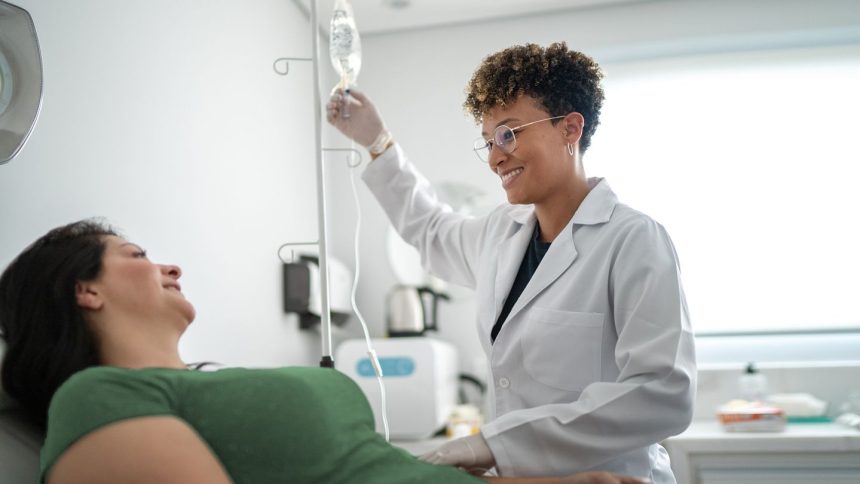
In cases where oral supplements are insufficient or if the patient cannot tolerate them due to gastrointestinal side effects, physicians may explore alternative delivery methods. For those suffering from severe, chronic, or treatment-resistant iron deficiency, advanced clinical interventions may be necessary to restore healthy iron stores.