




The Resurgence of a Samurai Classic: Reflecting on Way of the Sword
In an industry defined by the rapid turnover of intellectual properties-where many franchises vanish into obscurity or fall victim to the pressures of ballooning development costs-the Onimusha series seemed destined to remain a relic of the past. The sudden arrival of Way of the Sword was a genuine shock to the gaming community. Not only did it skyrocket to the top of most-anticipated lists, but it also secured widespread critical praise. For long-time fans, this success is a bittersweet milestone. While gaming giants like Capcom continue to pour resources into juggernauts like Resident Evil and Monster Hunter, other beloved classics like Dino Crisis or the Metal Gear saga remain sidelined. Yet, after a two-decade hiatus, Onimusha has finally reclaimed its spotlight.
A Masterclass in Modern Revival
There is no denying that Way of the Sword is a triumph. It stands as one of the most polished and compelling titles to hit the market in recent memory. While the following observations point toward areas for potential growth, they are intended to frame the game’s excellence rather than diminish it. In an era where remakes and reboots often struggle to capture the “soul” of the original, this title manages to strike a delicate balance between nostalgia and modern design sensibilities.
Refining the Blade: Combat Evolution
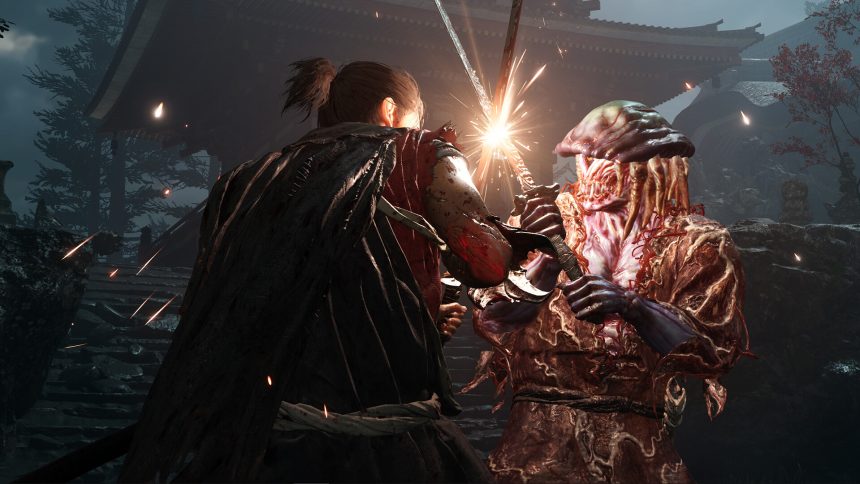
Perhaps the most impressive feat achieved by the development team is the modernization of the series’ signature combat. The iconic “Issen” mechanic-a high-risk, high-reward counter system-has been overhauled to feel more fluid and responsive than ever before. By integrating a sophisticated parry and deflection system, the developers have successfully lowered the barrier to entry for newcomers while maintaining the technical depth that veterans crave. This evolution mirrors the industry-wide shift toward precision-based combat, similar to how titles like Sekiro: Shadows Die Twice redefined player expectations for swordplay mechanics.
With the current gaming landscape seeing a massive resurgence in “soulslike” and action-adventure titles, Way of the Sword proves that there is still a massive appetite for deliberate, skill-based samurai combat. By blending the classic tension of the original Onimusha with contemporary input responsiveness, the game does the heavy lifting required to keep the franchise relevant for a new generation.