

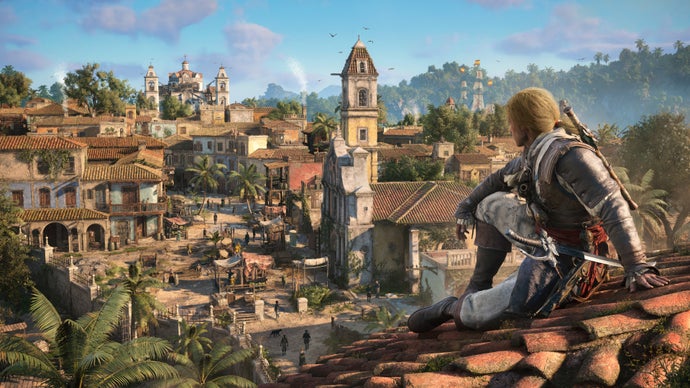


The Resurgence of Classics: Why Remakes and Ports Are Dominating Gaming Revenue
The gaming landscape in July was defined by a clear trend: players are increasingly gravitating toward familiar experiences. Data from Newzoo reveals that remakes and rereleases are not just nostalgic filler; they are major revenue drivers that prove the enduring financial viability of legacy intellectual property.
The Strategic Power of the Modern Remake
A standout performer this month was Assassin’s Creed Black Flag Resynced. Marking the first time the franchise has ventured into the remake space, the title secured the second spot on PC revenue charts and fourth on consoles. According to Newzoo market analyst Mert Şahin, this success underscores the “commercial potential that can remain with established titles.”
The appeal of a high-quality remake lies in its dual-pronged strategy: it leverages the comfort of a beloved brand while integrating modern quality-of-life improvements. By bridging the gap between veteran players and a new generation of gamers, developers can revitalize aging software. This is further evidenced by Black Flag Resynced landing at No. 9 on Newzoo’s year-to-date revenue rankings for new releases, sitting alongside other legacy-driven projects like Halo: Campaign Evolved, which holds the No. 20 position.
Ports vs. Remakes: Two Paths to Profitability
While remakes require significant development resources to modernize gameplay, July also highlighted the efficacy of simpler strategies. The surprise release of Call of Duty: Black Ops and Black Ops 2 on PlayStation 4 and 5 platforms proved that minimal intervention can still yield massive results. These ports claimed the sixth and first positions, respectively, on the console revenue charts.
This contrast in performance offers a masterclass in back-catalogue management. As Şahin notes, “While Black Flag Resynced shows the potential of substantially updating an established game, July’s Call of Duty results demonstrate that straightforward ports can also generate significant commercial momentum.”
Market Implications for Legacy Content
The industry is currently seeing a shift where publishers no longer view older titles as static assets. Instead, they are treating them as dynamic revenue streams. Whether through a comprehensive overhaul-similar to the recent success of the Resident Evil 4 remake, which sold over 7 million units-or a direct port, the data suggests that players are eager to revisit high-quality experiences. As development costs for new AAA titles continue to climb, the “re-release” model offers a lower-risk, high-reward alternative that keeps engagement levels high during quieter release windows.