




United Artists
From Literary Scandal to Silver Screen Adaptation
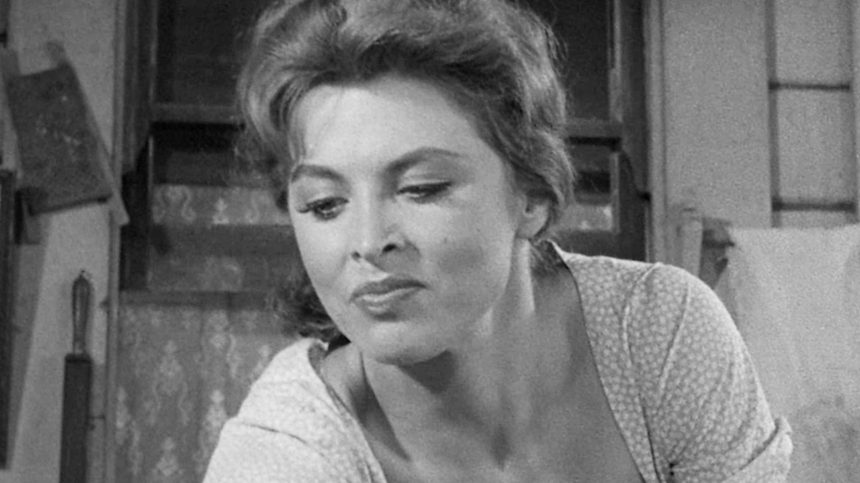
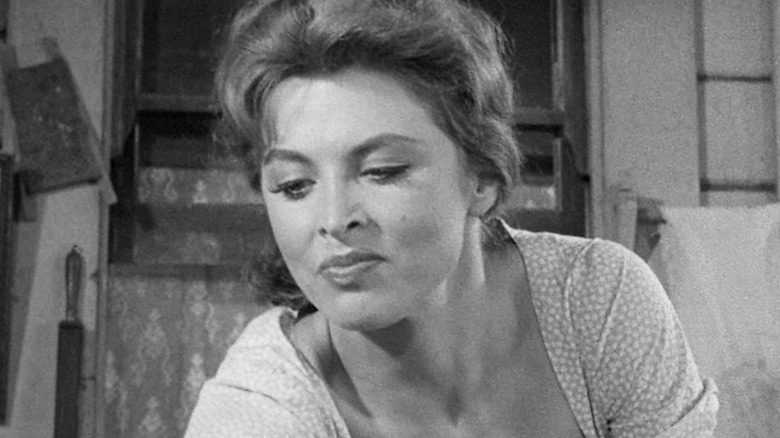
When Erskine Caldwell released his novel “God’s Little Acre” in 1933, the book ignited a firestorm of controversy. Its raw, unfiltered exploration of desire in the American South drew the immediate ire of the New York Society for the Suppression of Vice. Much like the Streisand effect in the digital age, the organization’s aggressive attempts to ban the work only served to skyrocket its popularity. By the mid-20th century, the novel had become a cultural staple; it was so widely circulated among U.S. military personnel that it even earned a cheeky nod in the 1955 film “Mister Roberts,” where Jack Lemmon’s character, Ensign Pulver, is teased for obsessively highlighting the book’s most provocative scenes.
Navigating the Hays Code Through Political Lens
Adapting such a scandalous piece of literature for the screen was a daunting task, particularly given the rigid constraints of the Motion Picture Production Code, which strictly policed depictions of morality. To bring the story to life without triggering a total censorship shutdown, director Anthony Mann pivoted his focus. Rather than centering the narrative solely on the book’s more salacious elements, Mann emphasized the underlying socioeconomic tensions and political desperation inherent in the source material. This strategic shift allowed the production to bypass the censors while maintaining the gritty, high-stakes atmosphere that defined Caldwell’s writing.
A Powerhouse Performance: Robert Ryan’s Transformation
The film’s success was bolstered significantly by its casting, most notably the inclusion of Western icon Robert Ryan. Stepping away from his typical rugged archetypes, Ryan delivered a haunting performance as Ty Ty Walden. In the film, Walden is portrayed as a man whose grip on reality is slipping-a character defined by his obsessive, erratic pursuit of buried treasure on his farm. This role marked a pivotal moment for the production, grounding the film’s more surreal, fever-dream qualities in a deeply human, albeit fractured, performance. It also served as a major breakout moment for Tina Louise, who made her cinematic debut alongside Ryan, setting the stage for her future stardom.