




The Unexpected Renaissance of Dedicated AI Hardware
The initial wave of standalone artificial intelligence gadgets was, by most accounts, a rocky experiment. We witnessed the high-profile struggles of the Humane AI Pin, which struggled to find a purpose beyond the smartphone, and the Rabbit R1, a device that launched with significant software limitations that hindered its utility.
When these products debuted in 2024, the consensus was swift: the market for dedicated AI hardware was effectively dead on arrival. Critics argued that consumers had no desire to carry a second device when their phones were already becoming AI-capable. However, writing off the entire category proved to be premature. Fast forward two years, and the landscape has shifted from a cautionary tale to a thriving sector of the consumer electronics market.
From Market Flops to Mainstream Innovation
The rapid evolution of AI hardware is no longer just a theoretical discussion; it is a tangible reality. While the early pioneers faced criticism for being “underbaked,” the current generation of devices has benefited from two years of rapid iteration in large language models (LLMs) and edge computing efficiency.
Recent industry data suggests that the wearable AI market is projected to grow at a compound annual growth rate (CAGR) of over 25% through 2028, as manufacturers move away from “gimmick” hardware toward specialized tools that solve specific user pain points-such as real-time language translation, professional-grade voice transcription, and context-aware personal assistance.
IFA 2026: A Turning Point for AI Integration
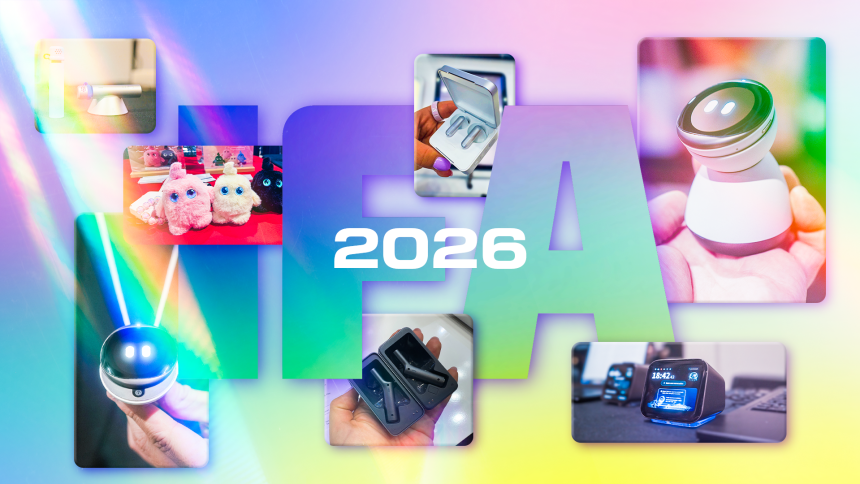
The most compelling evidence for this resurgence was on full display at IFA in Berlin. Often viewed as a bellwether for the upcoming CES, this year’s trade show highlighted a pivot in strategy. Instead of trying to replace the smartphone entirely, companies are now focusing on “AI-first” peripherals that complement our existing digital lives.
We are seeing a shift toward devices that prioritize battery longevity, privacy-focused local processing, and seamless integration with existing ecosystems. The industry has learned that for AI hardware to succeed, it must offer a frictionless experience that a standard app simply cannot replicate. The “dead end” of 2024 has clearly become the launchpad for a more mature, functional, and diverse hardware ecosystem.





![[Event Review] A Fan Just Saved GRiZ’s Red Rocks Comeback Show — And We Witnessed It All](https://www.mixtv1.com/wp-content/uploads/2026/09/29697-attachment.jpg)