




The Unraveling of a Dynasty: Analyzing Fnatic’s 2026 VCT Collapse
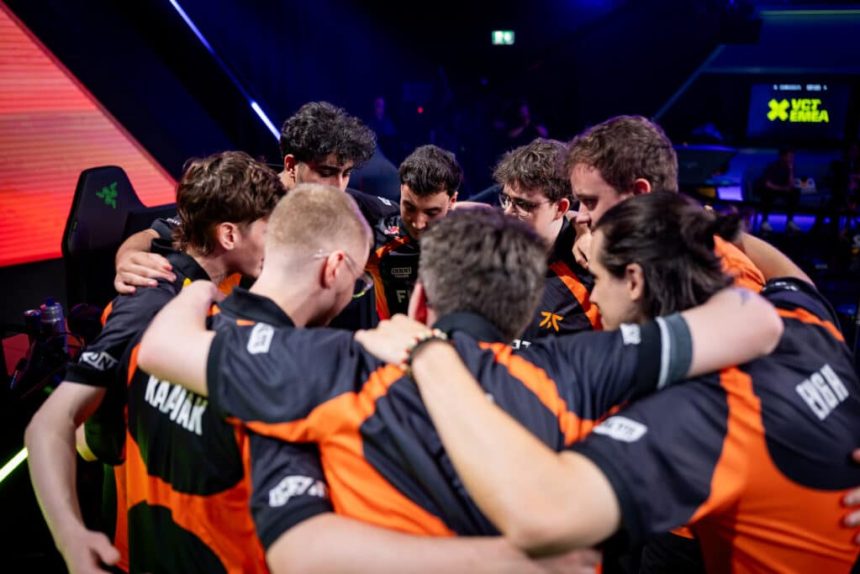
For an extended period, Fnatic stood as the undisputed titan of the VCT EMEA circuit. Boasting a trophy cabinet that included two international titles and a near-constant presence on the global stage, the organization served as the bedrock of European VALORANT. While the broader EMEA region often grappled with inconsistency and internal volatility, Fnatic remained a beacon of stability and elite performance.
From Global Contenders to Regional Spectators
Entering the 2026 campaign, expectations were sky-high. Fresh off a pair of top-two finishes in international events the previous year, the roster appeared poised to cement its legacy as the greatest dynasty in the game’s history. Yet, the reality of the 2026 season proved to be a stark departure from these projections. In a stunning reversal of fortune, the squad failed to secure a single qualification spot for any of the three major global VCT tournaments.
This sudden decline has sent shockwaves through the professional ecosystem. The organization that was once synonymous with the “one-team region” narrative-carrying the weight of EMEA on its shoulders-has now missed VALORANT Champions for the first time since the inception of the VCT structure. This statistical anomaly highlights a broader trend in esports where even the most storied rosters can succumb to burnout, tactical stagnation, or the rapid evolution of the meta.
The Anatomy of a Downfall
To put this decline into perspective, consider that in 2025, Fnatic maintained a win rate exceeding 70% across international maps. By mid-2026, that figure plummeted, mirroring the struggles seen by other legendary organizations like Astralis in CS:GO or T1 in their rebuilding years. When a team that relies on rigid, high-precision execution faces a meta shift that favors chaotic, utility-heavy compositions, the margin for error vanishes. For Fnatic, the inability to adapt their signature playstyle to the 2026 tactical landscape proved fatal.
Key Factors in the Shift:
- Tactical Rigidity: An over-reliance on established strategies that opponents had spent months dissecting.
- Regional Competition: The rise of “dark horse” teams in EMEA, which have narrowed the skill gap significantly compared to previous years.
- Mental Fatigue: The grueling nature of the VCT calendar, which leaves little room for the deep-dive innovation required to stay ahead of the curve.
As the community dissects this historic failure, the focus shifts to whether this is a temporary slump or the end of an era. The absence of such a powerhouse at the year’s final event serves as a sobering reminder that in the hyper-competitive world of VALORANT, past glory offers no protection against future obsolescence.
Keep Reading
- Esports players know how to compete, but esports orgs need to teach them how to behave
- VALORANT’s strongest teams in each region before Champions Shanghai
On September 8th,