



## Addressing Common Questions Regarding Influenza Immunization
Navigating the nuances of seasonal health can be confusing. Beyond the basic recommendation to get vaccinated, many individuals have specific concerns regarding side effects, the potential for vaccine-induced illness, overall efficacy, and the safety of co-administering the flu shot with other necessary immunizations.
### The Risks of Timing Your Vaccination Based on Local Outbreaks
A common misconception is that you can strategically time your flu shot to coincide with the peak of local viral activity. Attempting to “wait and see” is a risky gamble for several reasons. First, influenza patterns are notoriously unpredictable; outbreaks can emerge suddenly and spread rapidly through a community before you have a chance to react.
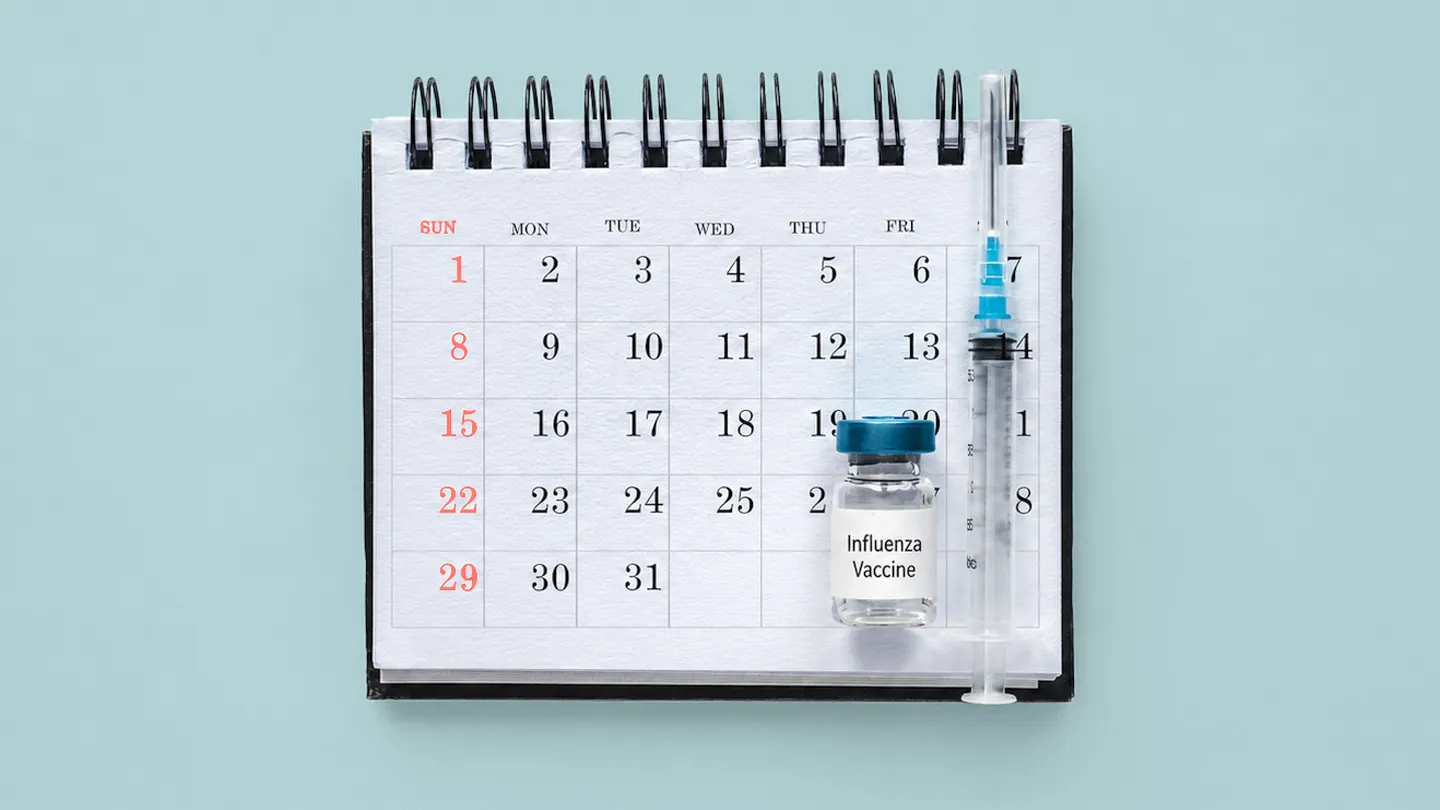
Furthermore, your body requires a “ramp-up” period after receiving the injection. It typically takes approximately 14 days for your immune system to develop the necessary antibodies to provide robust protection. If you wait until you hear reports of widespread illness in your neighborhood, you may already be exposed to the flu before your vaccine has had the chance to become fully effective. According to the CDC, early-season vaccination is the most reliable way to ensure you are shielded throughout the entire duration of the flu season.
### Is There a Deadline for Getting Vaccinated?
Many people mistakenly believe that if they haven’t received their shot by early autumn, the window of opportunity has closed. However, experts emphasize that it is never too late to seek protection. As long as flu viruses are actively circulating in the population, vaccination remains a highly beneficial step. Even if you receive the vaccine in mid-winter, you can still gain immunity that will protect you for the remainder of the season, potentially preventing severe complications or hospitalization.