



A New Chapter: No More Robots Shifts Toward Internal Development
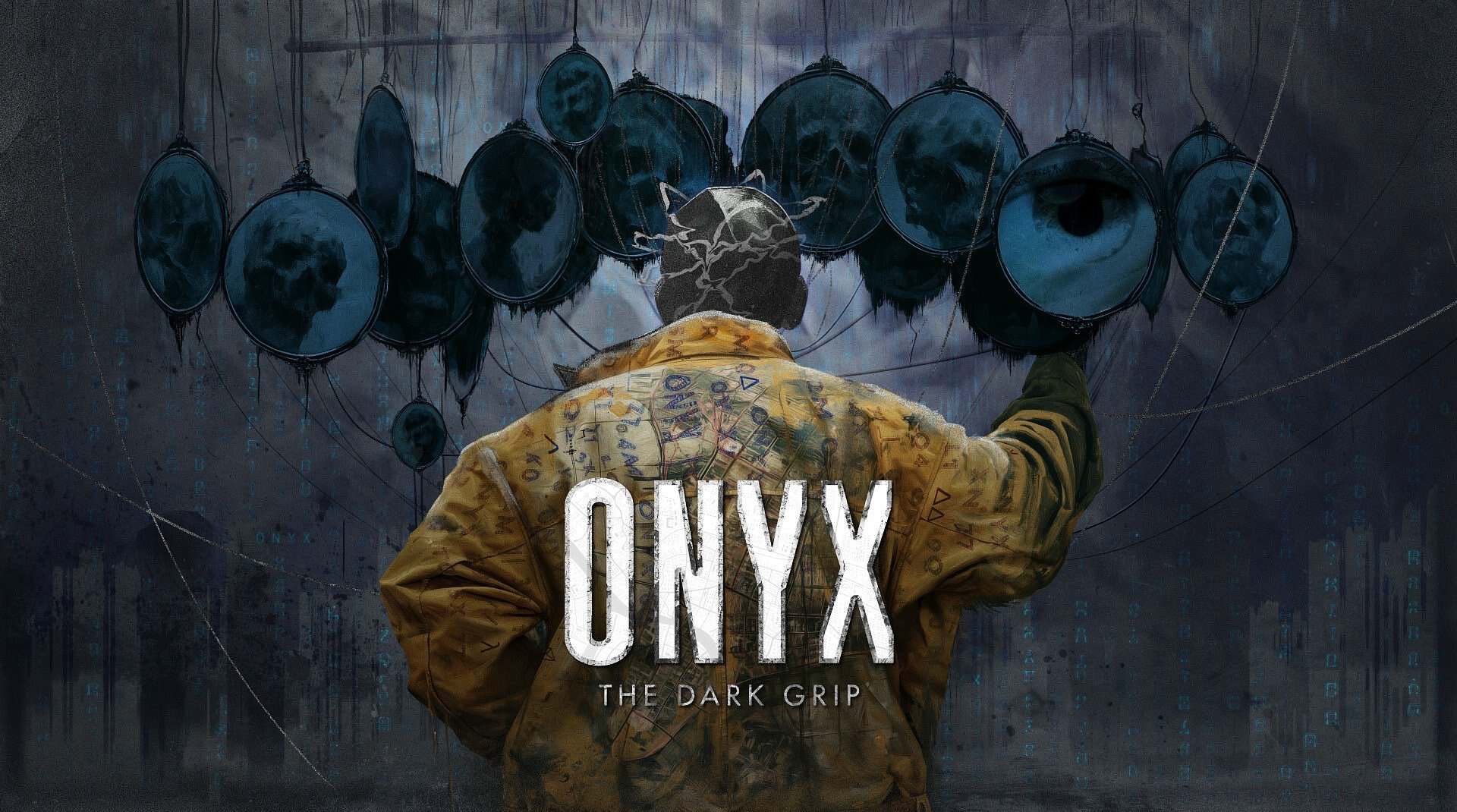
Nearly a decade has passed since Mike Rose launched the independent publishing label No More Robots. Over the last nine years, the company has cultivated a robust reputation within the gaming industry, largely anchored by a reliable back catalog. A standout performer remains Descenders; as the publisher’s inaugural release, this mountain biking title continues to maintain impressive sales figures long after its debut.
From Publishing to Production: The Evolution of Cruise Control
While No More Robots has thrived as a publisher, the team is currently preparing for a significant milestone: the launch of Cruise Control. This maritime simulator represents the company’s first foray into self-developed software, marking a strategic pivot in their business model. The project’s origins trace back to a collaborative brainstorming session between Rose and Dan Foster. Foster, who initially joined the firm to manage console porting, brought extensive expertise in online multiplayer architecture from his previous tenure at Team 17.
Navigating Market Volatility
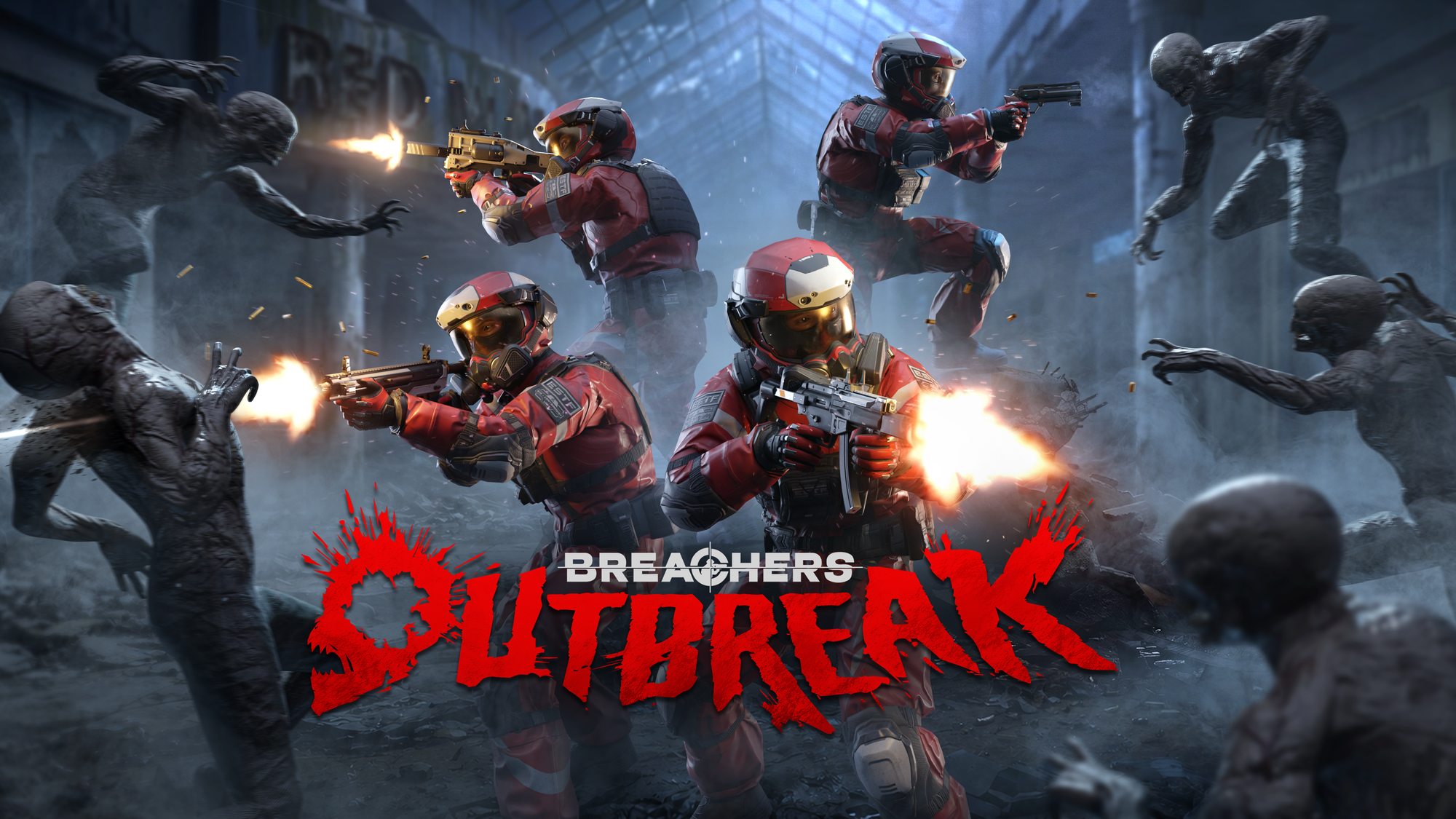
The path to Cruise Control was far from linear. Initially, the duo focused their efforts on a team-based online shooter. After three years of intensive development, the project garnered serious attention from a major industry player-a name Rose notes would be instantly recognizable to any gamer. However, the deal collapsed when the potential partner withdrew, citing a lack of strategic alignment.
This setback occurred during a particularly turbulent period for the hero-shooter genre. The high-profile failure and subsequent rapid withdrawal of Sony’s Concord served as a stark reminder of the volatility within the live-service shooter market. According to recent industry data, the market for multiplayer shooters has become increasingly saturated, with player retention rates for new titles dropping by nearly 30% compared to figures from five years ago. This shift in the landscape ultimately prompted No More Robots to reassess their trajectory and pivot toward the simulation genre, where they believe they can offer a more sustainable and unique experience.



![[WATCH] Tiësto Shares Legendary Creamfields Steel Yard Set](https://www.mixtv1.com/wp-content/uploads/2026/09/30208-attachment.jpg)