

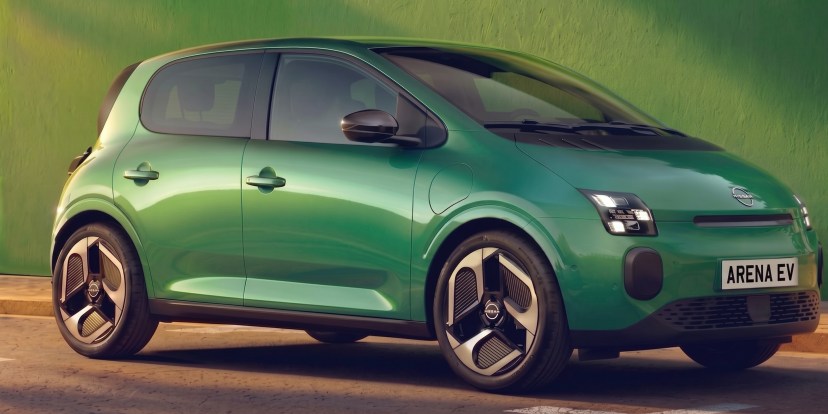



The Return of the Budget Icon: Nissan’s Strategic Pivot
Back in 2009, the automotive landscape looked vastly different. A mere €7,030 was enough to drive a brand-new vehicle off a Nissan dealership lot. That price point secured you the Pixo-a rebadged, Indian-manufactured Suzuki Alto. It was the definition of utilitarian transport: manual windows, basic plastic hubcaps, and an aesthetic that prioritized function over fashion. While it lacked prestige, it provided a vital lifeline for budget-conscious drivers seeking reliable, no-frills transportation.
From Economy Hatchback to Electric Challenger
Fast forward to the present day, and the automotive industry is unrecognizable. The average transaction price for a new vehicle has surged significantly, driven by inflation and a market obsession with massive, heavy electric SUVs that often weigh upwards of 2,500 kilograms. As the industry grapples with the challenge of making sustainable transport accessible, Nissan is looking to its own history to navigate the future.
The Pixo nameplate is being resurrected, but it is shedding its reputation as a bargain-bin city car. Instead, Nissan is repositioning the moniker to tackle the most pressing hurdle in the modern era: the democratization of electric mobility.
Why the Pixo Revival Matters Now
The current EV market is heavily saturated with premium, high-performance models that remain out of reach for the average consumer. By reviving the Pixo, Nissan is signaling a shift in strategy. Rather than competing in the “luxury tank” segment, the company aims to address the glaring gap for affordable, compact electric vehicles.
Recent industry data suggests that the biggest barrier to EV adoption remains the high entry price, with many potential buyers waiting for a sub-€20,000 option. By leveraging the Pixo brand-a name historically synonymous with extreme affordability-Nissan is positioning itself to capture the entry-level market that legacy manufacturers have largely ignored in favor of high-margin, heavy-duty electric platforms. This move isn’t just a nostalgic nod to the past; it is a calculated maneuver to ensure the brand remains relevant as the world transitions away from internal combustion.