



The Unexpected Intersection of Alan Hale Jr. and JFK
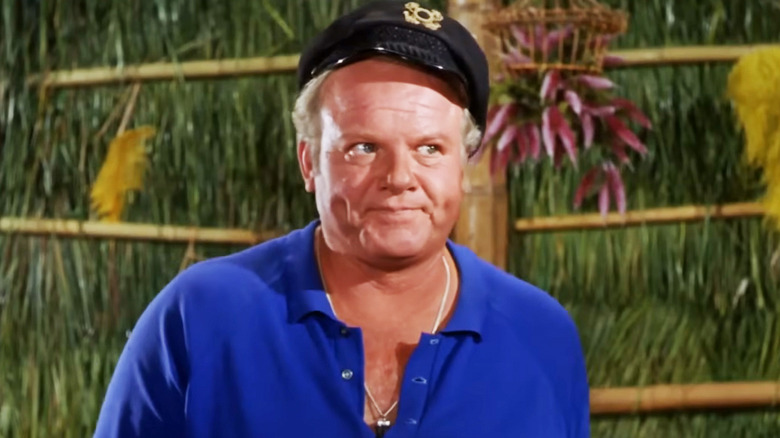
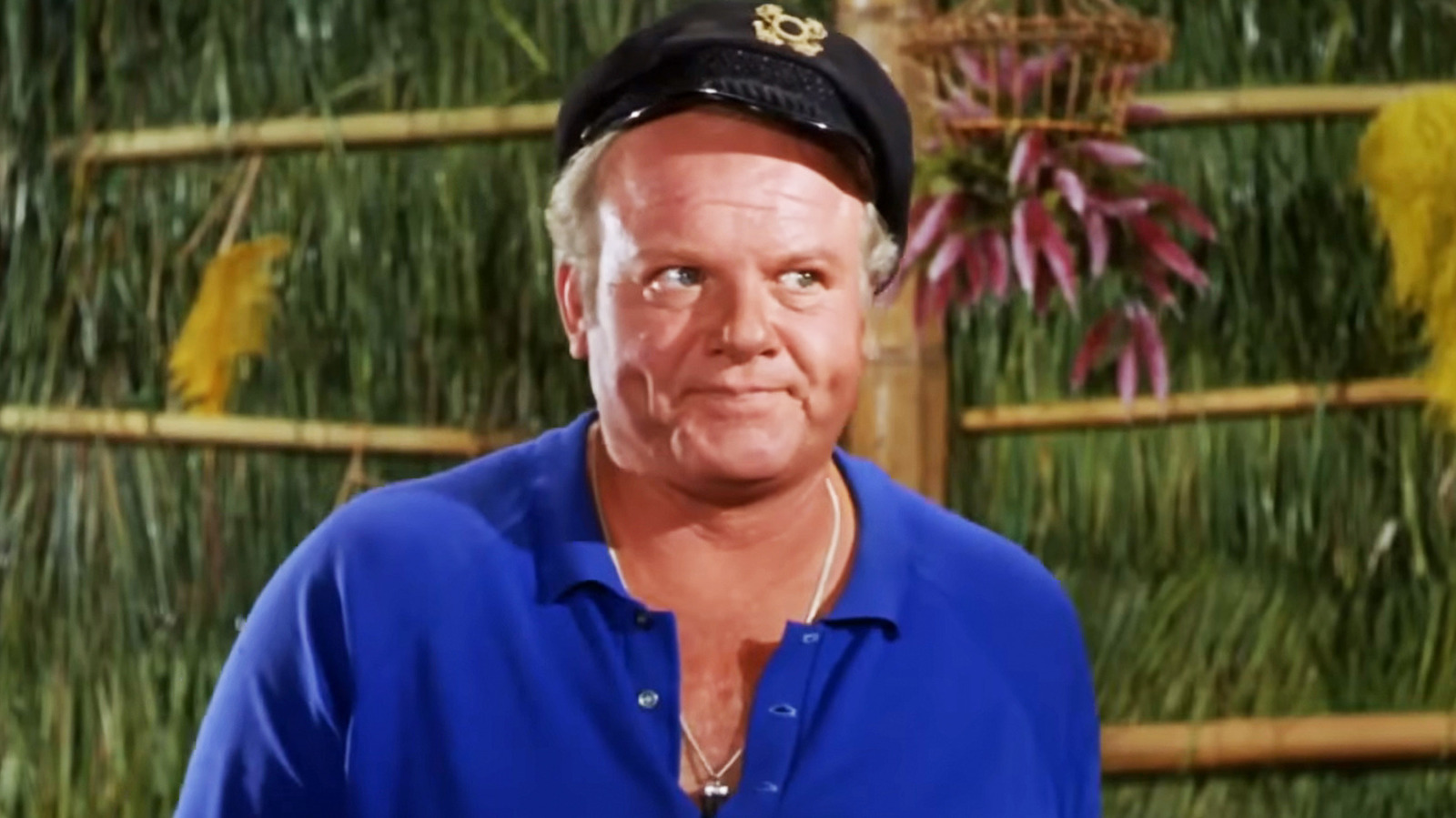
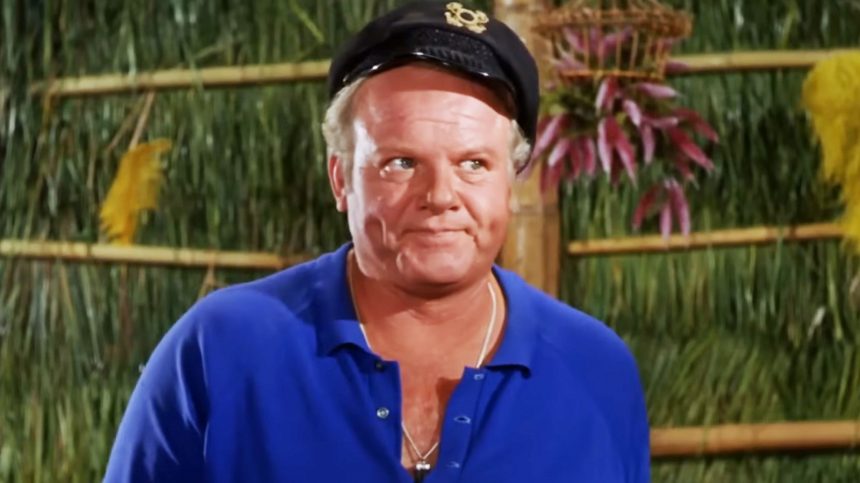
The tapestry of television history is woven with surprising threads, connecting iconic sitcom stars to the highest echelons of American politics. One such fascinating connection exists between Alan Hale Jr.-best remembered as the Skipper on “Gilligan’s Island”-and the 35th President of the United States, John F. Kennedy. While the legacy of the Skipper is firmly rooted in comedy, his career path crossed with the Kennedy administration long before he was stranded on a deserted island.
A Somber Legacy in the Opening Credits
The relationship between the Kennedy era and “Gilligan’s Island” is perhaps most visible in the show’s own production history. The series famously faced a rocky start, as the “Gilligan’s Island” pilot was nearly derailed by the Kennedy assassination. The national tragedy left an indelible mark on the show’s aesthetic; for the duration of the first season, the opening sequence featured an American flag flying at half-mast. This was not a scripted creative choice, but a reflection of the somber reality of the time, as the footage was captured during the national mourning period following the president’s death.
From Naval Drama to Sitcom Stardom
Long before Hale Jr. participated in the ill-fated “Gilligan’s Island” pilot, he was a working actor navigating the landscape of 1950s television. During this era, he made a guest appearance on the anthology series “Navy Log.” This program was unique for its time, focusing on the real-life experiences of United States Navy personnel.
What makes this appearance particularly noteworthy is the involvement of John F. Kennedy. Before his presidency, Kennedy served as a naval officer during World War II, famously commanding PT-109. His experiences in the Pacific theater gave him a unique perspective on naval operations, leading him to serve as an informal advisor for “Navy Log.” By lending his expertise to the production, Kennedy helped ensure the show maintained a level of authenticity regarding military life. Consequently, Hale Jr. found himself performing in a production that carried the stamp of approval from a future Commander-in-Chief.
The Evolution of Historical Context in Media
Today, we see similar intersections between political figures and entertainment, though they often manifest through social media or direct cameos. For instance, recent data from the Nielsen archives suggests that historical dramas and military-themed procedurals remain a staple of American television, much like “Navy Log” was in the 1950s. While “Navy Log” relied on the firsthand experience of a future president to ground its narrative, modern shows often utilize historical consultants to achieve the same level of immersion. This bridge between