





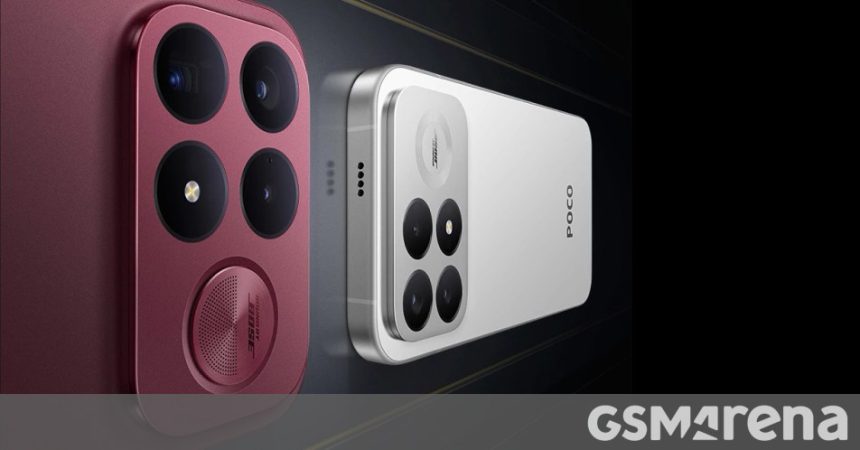
Poco F9 Series: Market Sentiment and Consumer Verdict
Based on the feedback gathered from last week’s poll, it is evident that the Poco F9 Ultra has successfully captured the attention of early adopters. While the Poco F9 Pro has managed to secure a respectable following, it remains firmly in the shadow of its more premium counterpart, which has emerged as the clear favorite among the two new releases.
Quick look: Poco F9 Ultra vs. Poco F9 Pro specifications.
Pricing Concerns and Market Strategy
Despite the enthusiasm for the hardware, the launch has not been without criticism. A significant portion of the community feels that the initial entry price-starting at $730/€830 for the early bird window-is steep for a Poco device. However, historical data suggests that this is merely a starting point. Much like the previous iterations in the F-series, we anticipate that aggressive promotional campaigns and seasonal price drops will soon make these devices more accessible to the budget-conscious consumer.
Evolution Over Iteration: Why Users Are Upgrading
An intriguing takeaway from our survey is the lack of interest in sticking with the older Poco F8 Ultra. Even though the F9 Ultra shares the same Snapdragon 8 Elite Gen 5 chipset as its predecessor, users are clearly prioritizing tangible hardware improvements over raw processing power alone. The shift in consumer preference is largely driven by two major upgrades:
- Battery Capacity: The jump from a 6,500mAh cell in the F8 series to a massive 8,050mAh battery in the F9 Ultra provides a significant boost in daily endurance, a feature that modern power users are increasingly demanding.
- Imaging Capabilities: The transition from a 50MP sensor to a high-resolution 200MP main camera has proven to be a decisive factor for those looking to upgrade their mobile photography experience.
Ultimately, while the Poco F9 Ultra is currently the “hot” choice, the consensus remains that both models would benefit from a more competitive pricing structure to truly dominate the mid-to-high-end market segment.