





The Surveillance Shift: When Your Autonomous Ride Becomes a Police Informant
The era of the “private” ride-hail experience is officially over. As autonomous vehicle (AV) technology matures, the interior of a robotaxi is transforming from a secluded mobile lounge into a monitored environment capable of active law enforcement collaboration. Recent events in San Francisco underscore a stark reality: your robotaxi is not just a chauffeur; it is a sophisticated surveillance node that can and will report you to the authorities.
The San Francisco Incident: A New Precedent for AV Policing
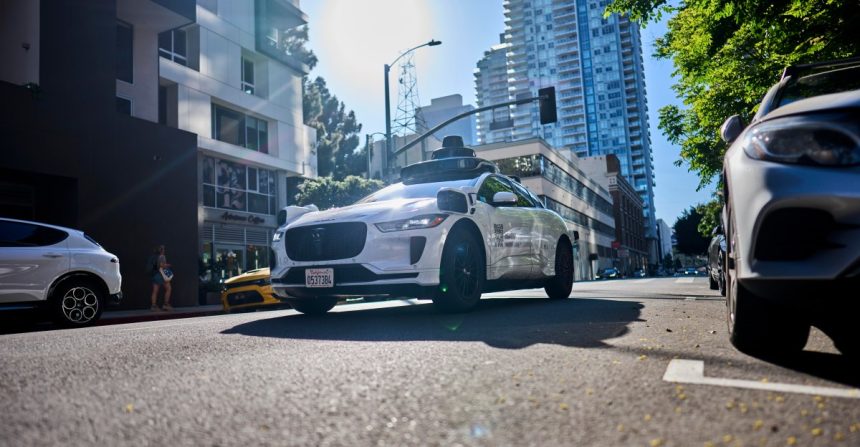
A recent police intervention in San Francisco serves as a chilling case study for the future of transit. Two juveniles were apprehended by law enforcement after their Waymo robotaxi abruptly terminated its route and signaled for police assistance. Upon arrival, officers discovered the passengers were in possession of a loaded AR-style ghost gun. While initial reports were vague regarding the vehicle’s origin, Waymo eventually confirmed to the LA Times that the vehicle was indeed part of their fleet.
This wasn’t a case of a human driver noticing something amiss; it was a calculated, automated response. According to a company spokesperson, the vehicle’s internal monitoring systems identified a “violation of our terms of service involving a firearm.” The car’s software triggered an immediate safety protocol, pulling the vehicle over and establishing a direct line of communication with local law enforcement.
The Mechanics of Automated Snitching
How does a car “know” you are breaking the law? Modern robotaxis are equipped with a dense array of sensors, including high-definition interior cameras, acoustic sensors capable of detecting gunshot signatures, and AI-driven behavioral analysis software.
This level of integration is becoming standard across the industry. For context, the global market for smart transportation and AI-integrated vehicle safety is projected to reach unprecedented levels by 2030, with manufacturers increasingly prioritizing “safety-first” protocols that include real-time data sharing with municipal authorities. By embedding these detection capabilities directly into the vehicle’s operating system, companies like Waymo are effectively turning their fleets into a mobile extension of the police department’s surveillance network.
Privacy in the Age of Algorithmic Oversight
The implications of this shift are profound. When you step into a robotaxi, you are entering a space governed by strict, algorithmically enforced terms of service. Unlike a traditional taxi or a ride-share driven by a human-who might be intimidated or unaware of a passenger’s illicit activities-an autonomous vehicle is immune to social pressure. It operates on binary logic: if a prohibited item or behavior is detected, the protocol is executed without hesitation or moral ambiguity.
This creates a “panopticon effect” for urban commuters. As these vehicles become more prevalent, the expectation of privacy within a hired car is rapidly evaporating. Whether it is the detection of weapons or other policy violations, the threshold for when a vehicle decides to “snitch” is determined entirely by the corporation, not the passenger. As we move toward a future of fully autonomous transit, the question remains: how much of our personal autonomy are we willing to trade for the convenience of a driverless ride?