



CBS
We may receive a commission on purchases made from links.
Beyond the Twilight Zone: Rod Serling’s Hidden Life in the Ring
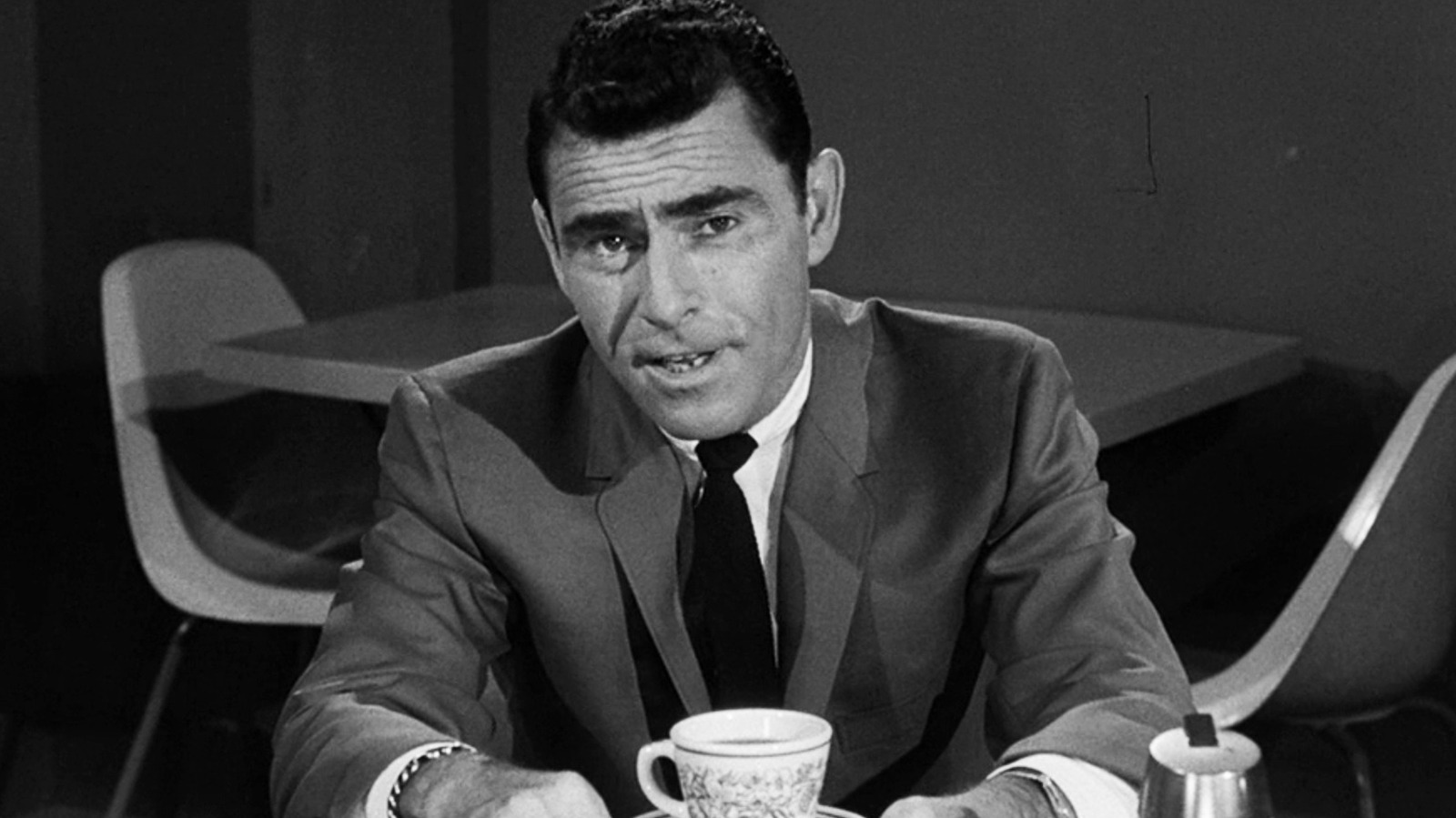
To most audiences, Rod Serling is immortalized as the chain-smoking, sharp-witted narrator of The Twilight Zone. He is remembered as a master of speculative fiction and arguably the architect of the greatest anthology TV series ever made. However, beneath the polished exterior of the television icon lay the grit of a man who once traded blows in the squared circle. During his tenure in the U.S. Army, Serling wasn’t just crafting scripts; he was an active amateur boxer, a pursuit that left a permanent mark on his physical appearance and his creative output.
From Combatant to Chronicler
The reality of Serling’s boxing career was far from glamorous. According to his New York Times obituary, his time in the ring was defined by physical toll rather than championship glory. He famously suffered a broken nose during his debut match, a painful injury that repeated itself during his final fight. This brutal introduction to the sport effectively ended his aspirations as a fighter, but it ignited a lifelong fascination with the tragic decline of the athlete.
While many writers draw from their own experiences, Serling channeled his frustration and empathy into his work. He began exploring the psychological weight of the sport through short stories during his university years. This thematic obsession eventually culminated in his 1956 teleplay for the prestigious CBS series Playhouse 90, titled “Requiem for a Heavyweight.”
The Legacy of “Requiem for a Heavyweight”
The narrative of “Requiem for a Heavyweight” serves as a poignant meditation on obsolescence. It follows a washed-up fighter, originally portrayed by Jack Palance, who must grapple with the harsh reality of life after the spotlight fades. The story captures the specific melancholy of a man whose identity is entirely tied to a physical prowess that has long since abandoned him.
Interestingly, the project’s legacy expanded significantly years later when the legendary Muhammad Ali-a man who knew the physical cost of boxing better than almost anyone-made a memorable appearance in the 1962 film adaptation. Much like the modern reality of professional sports, where the average career span for an NFL player is roughly 3.3 years, Serling’s work highlighted the precarious nature of a career built on physical endurance. By focusing on the “aftermath” rather than the “glory,” Serling elevated the boxing genre from mere spectacle to a profound character study.