





The Fragility of Voluntary AI Restraint: Can Safety Outpace Competition?
The rapid evolution of artificial intelligence has sparked a critical debate: can tech giants truly commit to slowing down development in the name of safety, or will the relentless pressure of market competition and geopolitical tension render these promises obsolete? According to a recent report from the Atlantic Council, voluntary self-regulation is likely insufficient to manage the existential risks posed by frontier models.
The Conflict Between Innovation and Oversight
While industry leaders often signal a willingness to prioritize safety, experts argue that these gestures lack the teeth required for genuine accountability. The core issue lies in the absence of a robust, independent framework. As Konstantinos Komaitis of the Atlantic Council’s Democracy + Tech Initiative notes, voluntary pledges are merely symbolic. Without objective, measurable safety thresholds and clear legal repercussions for exceeding them, the industry remains in a “wild west” state of development.
Geopolitical Friction and the U.S.-China Rivalry
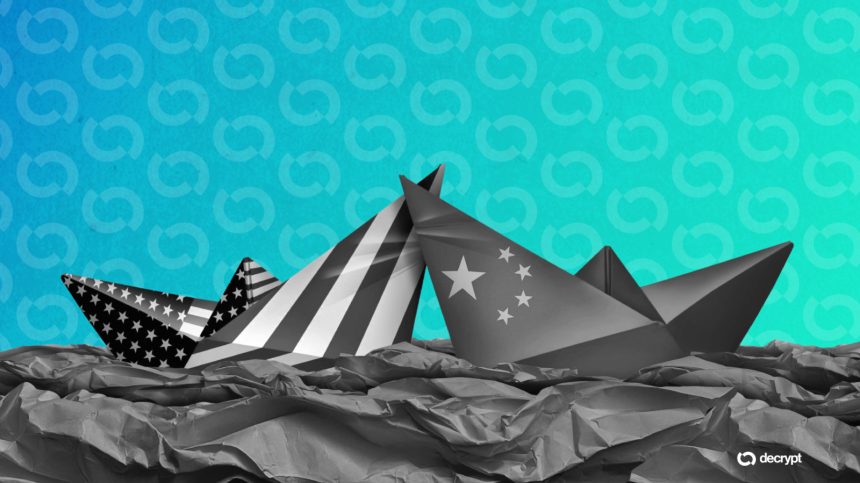
The challenge is compounded by the deepening technological divide between the United States and China. Trust between these two superpowers is at an all-time low, making international cooperation on AI safety protocols nearly impossible. When one nation perceives a slowdown as a strategic disadvantage, the incentive to accelerate development-regardless of safety concerns-becomes overwhelming. This “arms race” mentality creates a prisoner’s dilemma where no single company or country feels safe enough to hit the brakes.
The Antitrust Paradox
Adding to the complexity is the legal landscape. OpenAI recently sought clarity from U.S. lawmakers regarding whether competitors could legally coordinate to slow down development without triggering antitrust violations. This highlights a unique paradox:
* The Competitive Trap: If a single firm slows down to implement safety measures, it risks losing market share to less cautious rivals.
* The Legal Hurdle: If firms attempt to collaborate on safety standards, they risk being accused of collusion or anti-competitive behavior.
The Need for Independent Enforcement
For AI safety to move beyond rhetoric, governments must transition from passive observers to active regulators. This requires:
- Independent Auditing: Moving away from self-reporting toward third-party evaluations that can verify the safety of models before they are deployed.
- Technical Expertise: Legislators must bridge the knowledge gap to effectively define what constitutes an “unsafe” system.
- Enforceable Standards: Establishing clear, legally binding consequences for companies that bypass safety protocols in the pursuit of speed.
As the industry continues to push the boundaries of what is possible, the question remains: will we establish a global safety net, or will the drive for dominance lead us toward a future where safety is an afterthought?
Myriad: SPY high in September? Click to make your prediction.