




The Future of Portable Gaming: Where Does the Steam Deck 2 Stand?
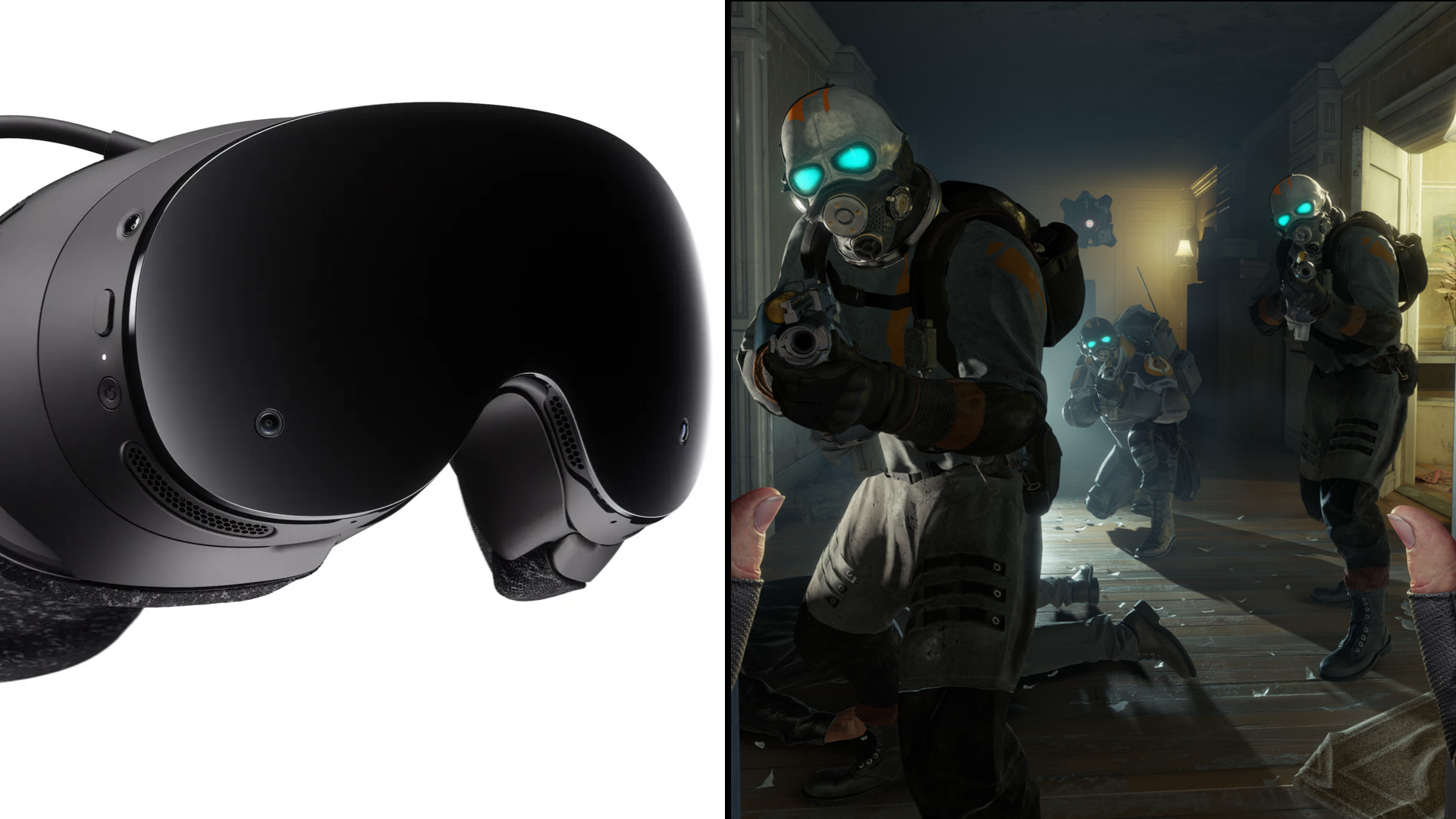
With Valve’s 2026 hardware suite now fully deployed-featuring the Steam Controller, the Steam Machine, and the recently debuted Steam Frame-enthusiasts are naturally pivoting their attention toward the next iteration of the Steam Deck. However, Valve remains tight-lipped regarding a concrete timeline. In a recent conversation with IGN, Valve designer Pierre-Loup Griffais noted that the team is still in the exploratory phase, determining the optimal strategy for launching a successor.
Prioritizing Efficiency Over Raw Power
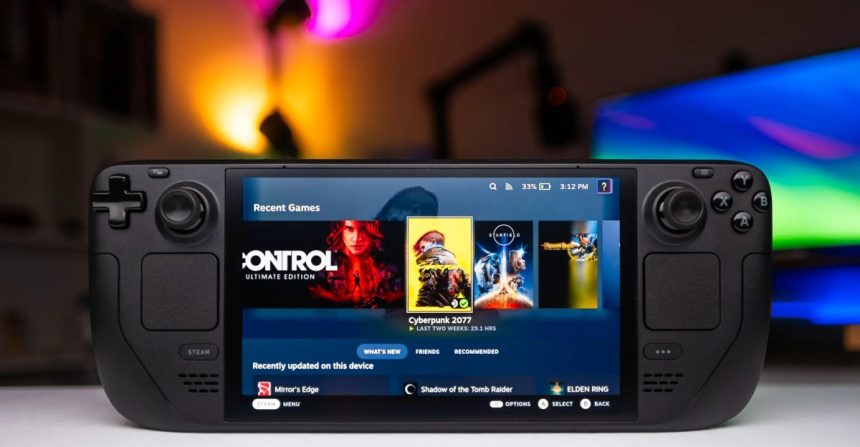
Valve has maintained a consistent stance regarding the future of its handheld division: a Steam Deck 2 is inevitable, but it will not hit the market until the hardware ecosystem matures. The success of the original Steam Deck was largely attributed to its delicate balance of affordability, thermal management, and gaming performance.
Valve is adamant about avoiding the “power trap” that plagues many competitors. While some handheld manufacturers prioritize raw teraflops, Valve is focused on maintaining the current device’s impressive battery longevity. As Griffais emphasized in a 2023 discussion, the goal is to achieve a generational “leap” in capability without compromising the mobile experience. For context, current mobile APU technology is rapidly evolving, but achieving a significant performance jump while keeping power draw under 15W remains a formidable engineering hurdle.
The Search for the Perfect Silicon
The primary bottleneck remains the availability of a processor that meets Valve’s stringent requirements. The company has explicitly stated that it refuses to release a sequel that sacrifices efficiency for marginal gains.
Despite the lack of a release window, there is reason for optimism. Earlier this year, Griffais confirmed to IGN that development is actively underway. This confirms that while the hardware isn’t ready for prime time, the R&D phase is in full swing. Much like how the original Steam Deck revolutionized the PC gaming landscape by making high-end libraries portable, Valve is clearly waiting for a technological breakthrough-likely in node efficiency or specialized architecture-that justifies a full-scale product refresh.
For now, fans must remain patient. Valve’s history suggests they would rather delay a product than ship one that fails to redefine the category.