




## Canon Refines the Entry-Level Full-Frame Experience with the EOS R8 Mark II
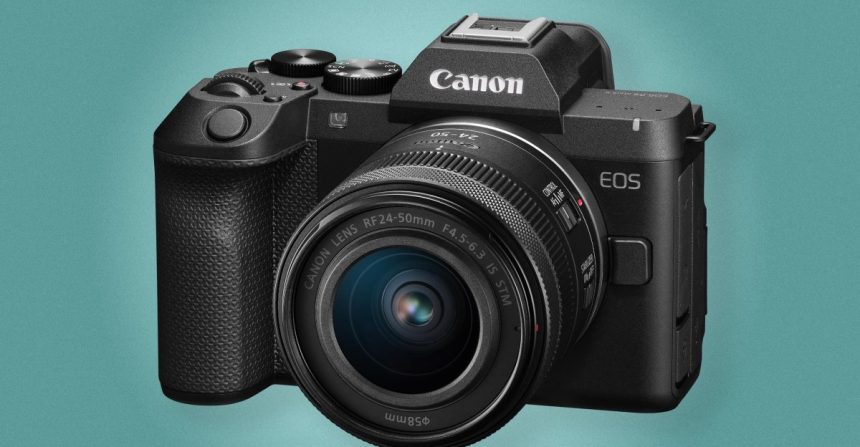
Canon has officially unveiled the successor to its popular entry-level full-frame mirrorless camera, the EOS R8 Mark II. This latest iteration introduces a nostalgic, retro-inspired aesthetic and, perhaps most importantly, integrates In-Body Image Stabilization (IBIS). The absence of stabilization was the primary critique of the original 2023 model, which was designed to offer a budget-friendly, compact gateway into Canon’s full-frame ecosystem for those who found the R6 series too cumbersome or costly.
### A Balanced Evolution in Design and Capability
While the inclusion of IBIS has resulted in a slight increase in weight-bringing the body to approximately 1.2 pounds-the R8 Mark II remains a remarkably portable option. It successfully bridges the gap between the ultra-lightweight original and the more robust, professional-grade last year’s EOS R6 Mark III.
By prioritizing stabilization, Canon has addressed the needs of handheld shooters and low-light photographers who previously had to rely solely on lens-based stabilization or steady hands.
### Pricing and Market Positioning
The EOS R8 Mark II is slated for a late October release. Canon has set the body-only price at $1,899, with a kit option including a 24-50mm stabilized lens available for $2,099.
To put this into perspective, while the price has climbed from the original R8’s $1,499 launch point, it remains significantly more attainable than the $2,799 EOS R6 Mark III. This pricing strategy positions the R8 Mark II as the “sweet spot” for enthusiasts who want full-frame performance without the premium cost of high-end professional bodies.
### Technical Specifications and Performance
Under the hood, the R8 Mark II retains the reliable 24.2-megapixel full-frame CMOS sensor found in the R6 Mark II. This sensor is widely praised for its excellent dynamic range and high-ISO performance, making it a versatile tool for both stills and video.
It is worth noting that Canon has opted to keep the R8 Mark II as an electronic-shutter-only device. By omitting a mechanical shutter, Canon continues to streamline the camera’s internal architecture, keeping the footprint small and the cost down. While the R6 Mark III has moved forward with a higher-resolution 32.5-megapixel sensor, the R8 Mark II’s 24.2-megapixel count remains the industry standard for balanced file sizes and superior low-light sensitivity, ensuring it remains a competitive choice for content creators and hobbyists alike.