
![[Interview] EDMTalks With Zorza: Internet Niche Fame, North Coast, and Euphoria](https://www.mixtv1.com/wp-content/uploads/2026/09/32121-attachment.jpg)


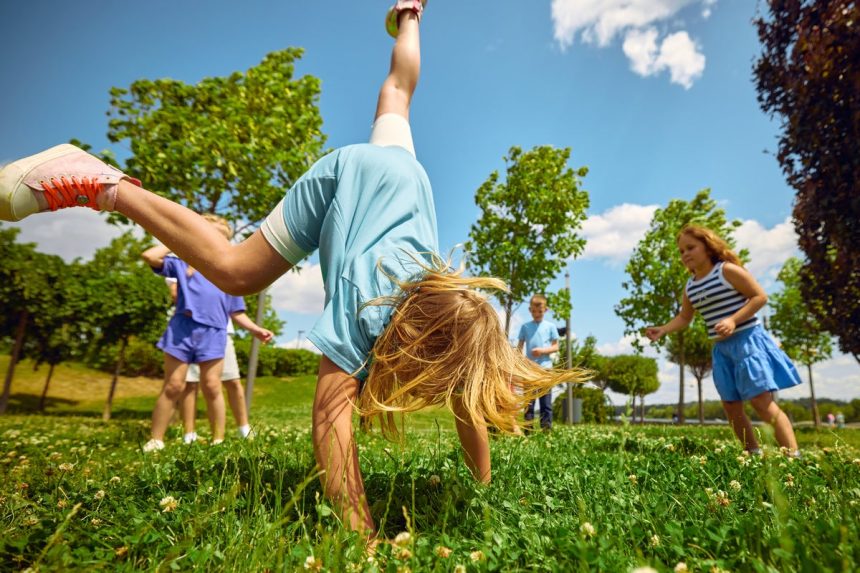
Balancing Safety and Play: The Debate Over School Gymnastics Bans
In recent weeks, several primary schools across Melbourne have sparked a heated public debate by implementing restrictions on playground staples like handstands and cartwheels. While some parents have dismissed these measures as an over-the-top reaction to minor playground mishaps, the Victorian Principals Association maintains that such prohibitions are often short-term strategies. According to the association, these pauses allow educators to reset expectations and provide students with the necessary guidance to perform these movements with proper technique and safety.
A Recurring Pattern in Playground Policy
The current controversy in Melbourne is far from an isolated incident. Schools have been grappling with the tension between encouraging physical activity and mitigating injury risks for over a decade.
* Townsville (2008): A primary school gained global attention when it prohibited unsupervised gymnastics. The decision was driven by fears regarding potential spinal and neck injuries during unstructured play.
* Sydney (2012): Rather than a total ban, a local school mandated that any student wishing to perform cartwheels or handstands must be under the direct supervision of a qualified gymnastics instructor, a policy developed in collaboration with sports safety experts.
* Bunbury (2017): A Western Australian school introduced a temporary moratorium on these activities following a cluster of wrist injuries. The administration pointed to environmental factors, such as uneven terrain and hard surfaces, as primary contributors to the accidents.
Understanding the Risks of Playground Gymnastics
While performing a cartwheel is often viewed as a quintessential childhood milestone, the reality of playground physics can be unforgiving. Clinical data regarding pediatric gymnastics injuries highlights that common mishaps often result in wrist sprains, forearm fractures, and, in more severe cases, concussions.
The challenge for schools lies in the environment. Unlike a padded gymnasium with professional mats, a standard schoolyard often features bitumen, concrete, or sloping grass-surfaces that offer little shock absorption. When children attempt complex movements without adequate warm-ups or foundational strength, the likelihood of injury increases significantly.
Finding a Middle Ground
Rather than viewing these bans as an end to fun, many experts suggest they should be viewed as a call for better physical literacy. Instead of simply prohibiting movement, schools are increasingly looking toward structured play programs. By integrating basic gymnastics training into the physical education curriculum, schools can teach children how to land safely, distribute their weight, and recognize their own physical limitations.
Ultimately, the goal is to foster an environment where children can remain active and adventurous without compromising their long-term health. By balancing supervision with skill-building, schools can move past the cycle of reactive bans and toward a more proactive approach to playground safety.