



Reviving the Flounder: Can Viral Marketing Save Local Fisheries?
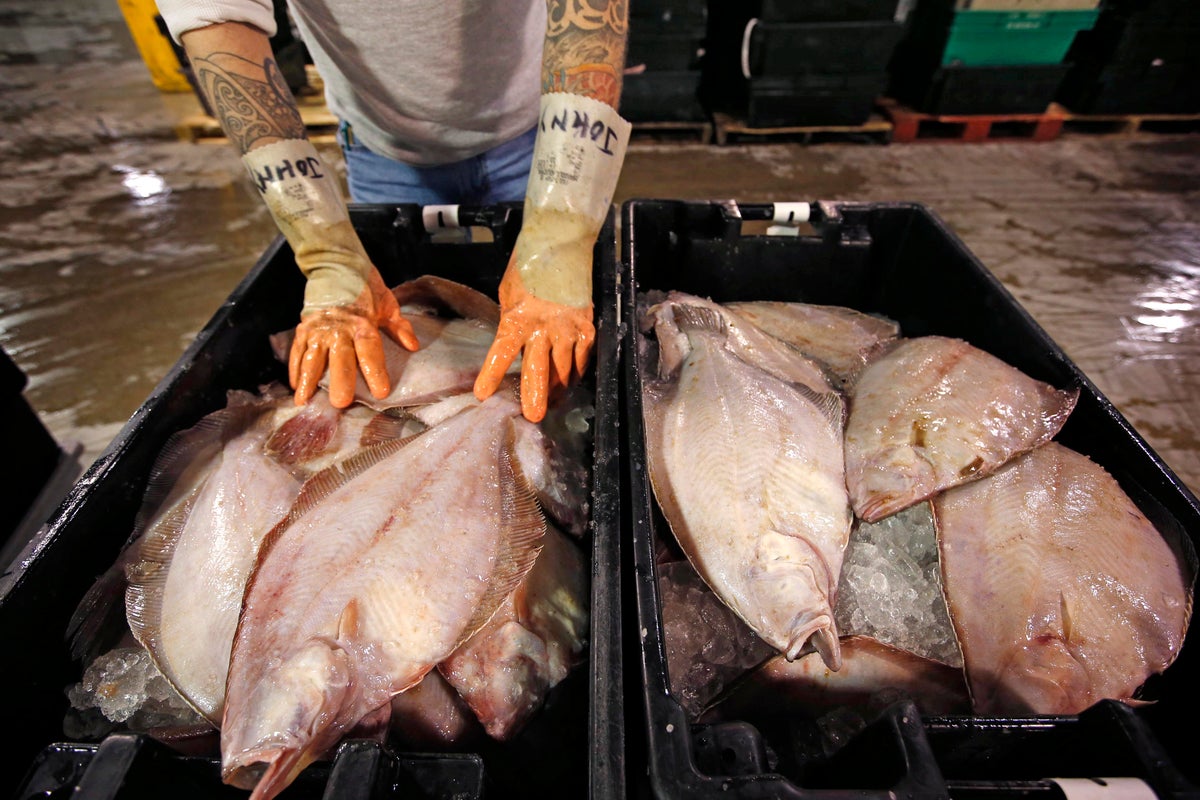
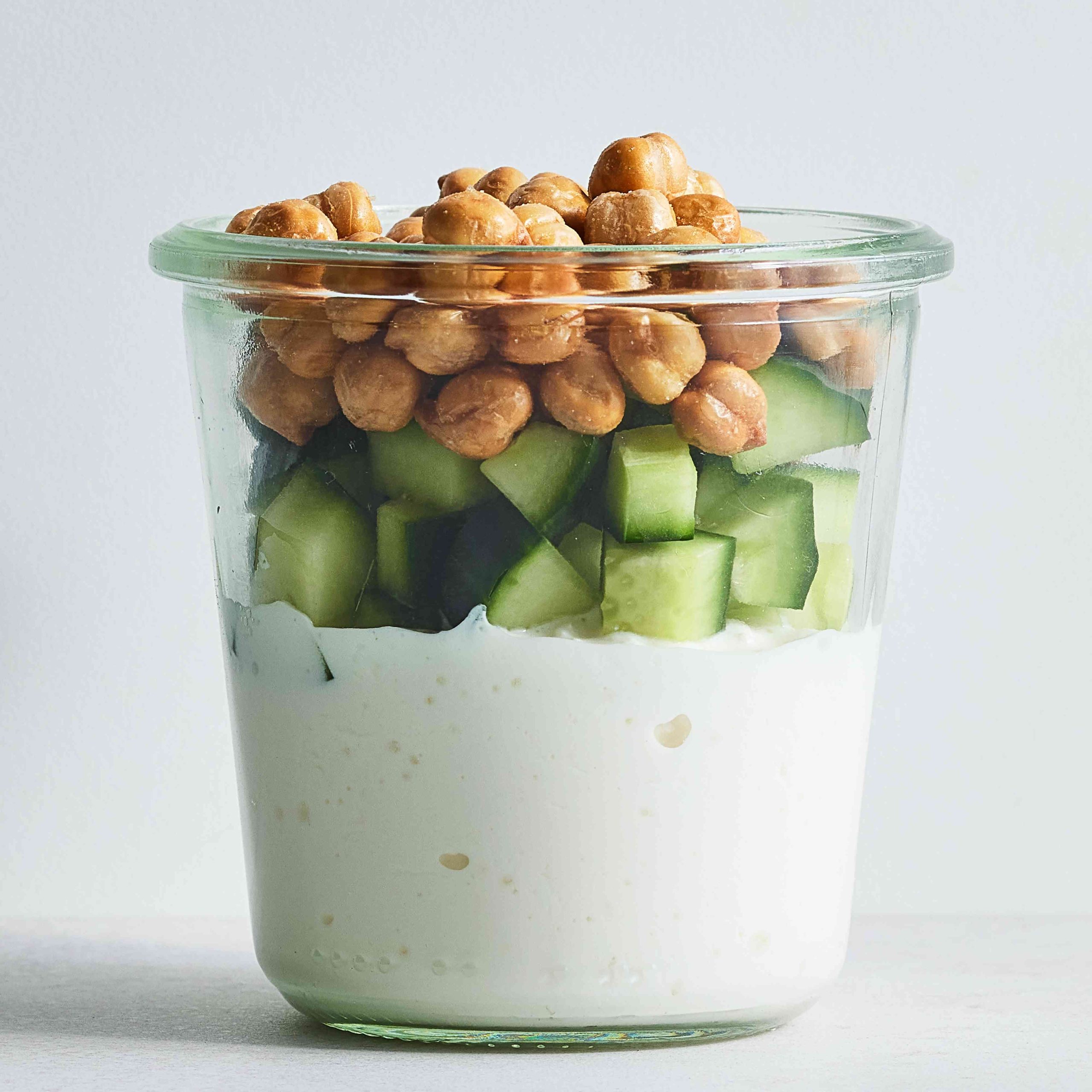
From the sudden obsession with “Dubai chocolate” to the unexpected rise of cottage cheese as a snack-time staple, social media has a proven track record of turning niche food items into global phenomena. Now, Massachusetts state officials are attempting to harness that same digital momentum to revitalize interest in a classic, yet currently neglected, Atlantic catch: the flounder.
### A Strategic Shift for Sustainable Seafood
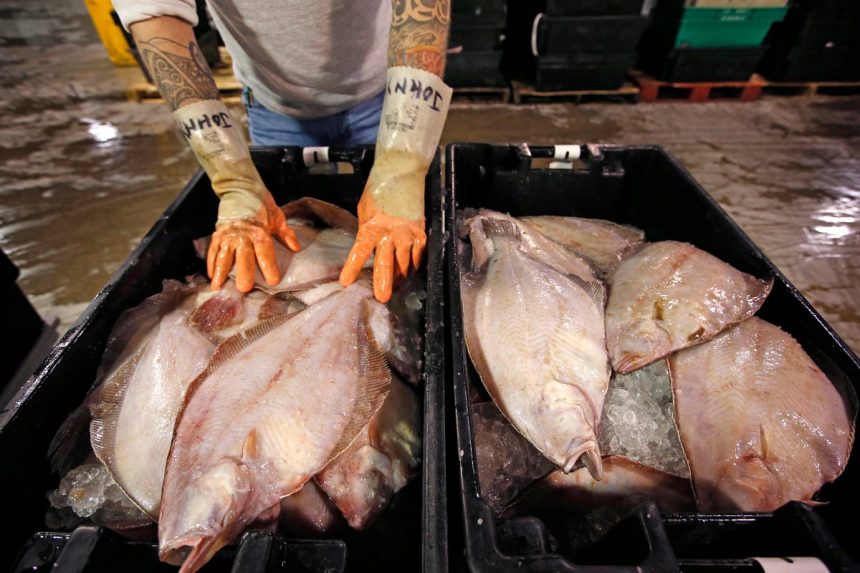
The Massachusetts Division of Marine Fisheries (MassDMF) has introduced a forward-thinking campaign titled “Flat is Back.” The primary goal is to close the disconnect between the bounty brought in by local fishing vessels and the limited options currently appearing on consumer dinner plates.
Dan McKiernan, Director of MassDMF, views this campaign as more than just a marketing push; it is a blueprint for a more sustainable future. By encouraging the consumption of abundant flatfish, the state hopes to create a more robust economic and ecological model. If successful, this strategy could serve as a template for promoting other underutilized species that are currently overlooked by the average shopper.
### The Challenge of Narrow Palates
Shifting public perception is the campaign’s greatest hurdle. Modern American dining habits are remarkably restricted. According to 2023 industry data, a staggering 75% of all seafood consumed in the U.S. is limited to just ten specific types, with shrimp, salmon, and canned tuna accounting for the vast majority of sales.
This lack of variety creates a significant imbalance in the market. While a handful of popular items face intense fishing pressure to meet high demand, other healthy, sustainable, and delicious fish populations remain largely ignored.
### Learning from Global Dining Trends
McKiernan points out that this “culinary tunnel vision” is largely a domestic issue. In many European and Asian markets, consumers enjoy a much broader spectrum of marine life, which helps distribute fishing pressure more evenly across the ecosystem. By diversifying our diets, American consumers could not only enjoy fresher, local options but also play a vital role in supporting the health of our oceans.
As the “Flat is Back” initiative gains traction, the hope is that flounder will transition from an overlooked staple to a celebrated, sustainable choice for the modern home cook.


![DJ Mag announces Top 100 DJs LIVE 2026 at [UNVRS] Ibiza](https://www.mixtv1.com/wp-content/uploads/2026/09/31868-attachment.jpg)