

The Evolution of The Blood of Dawnwalker: Success and Future Design
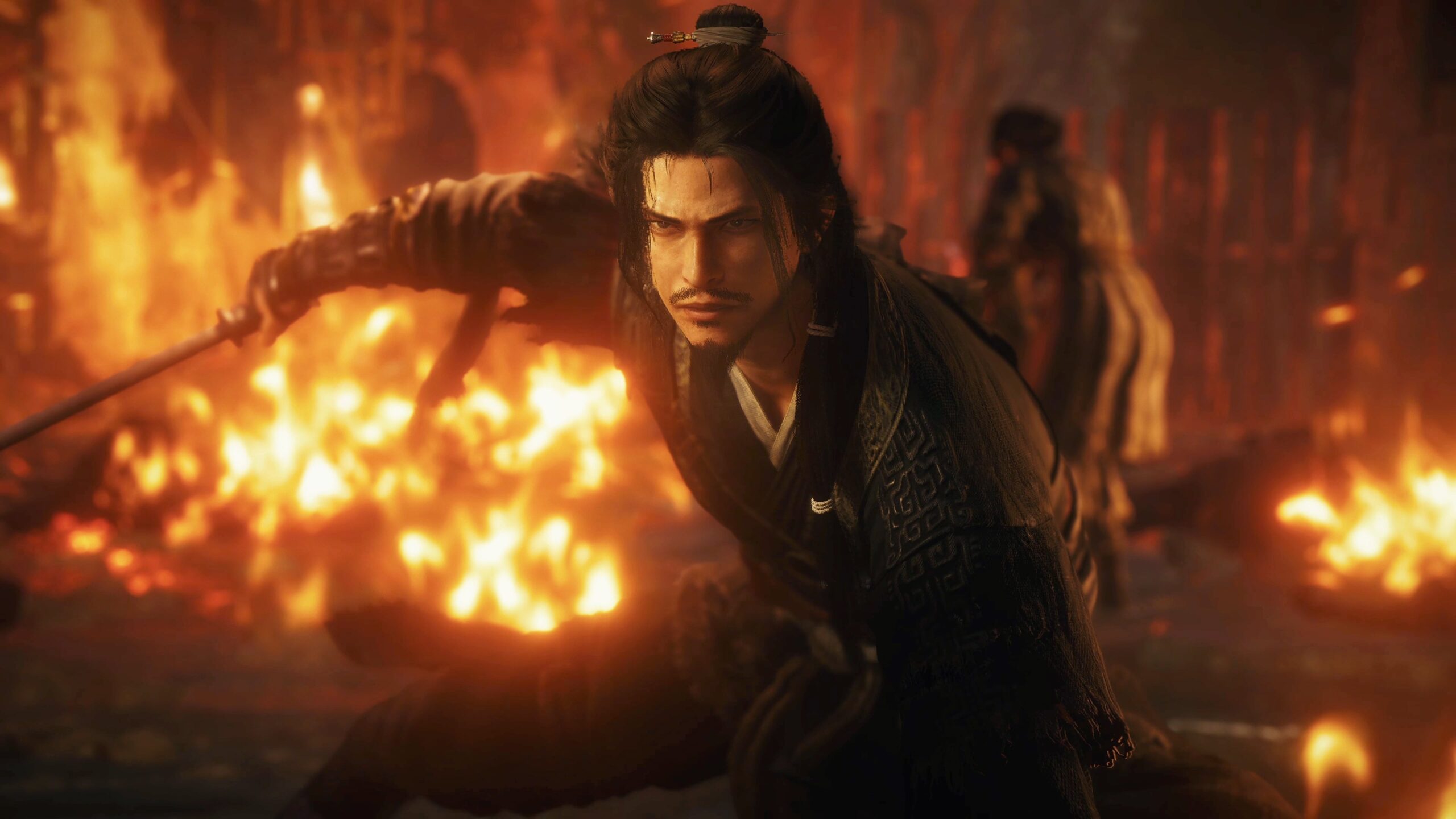
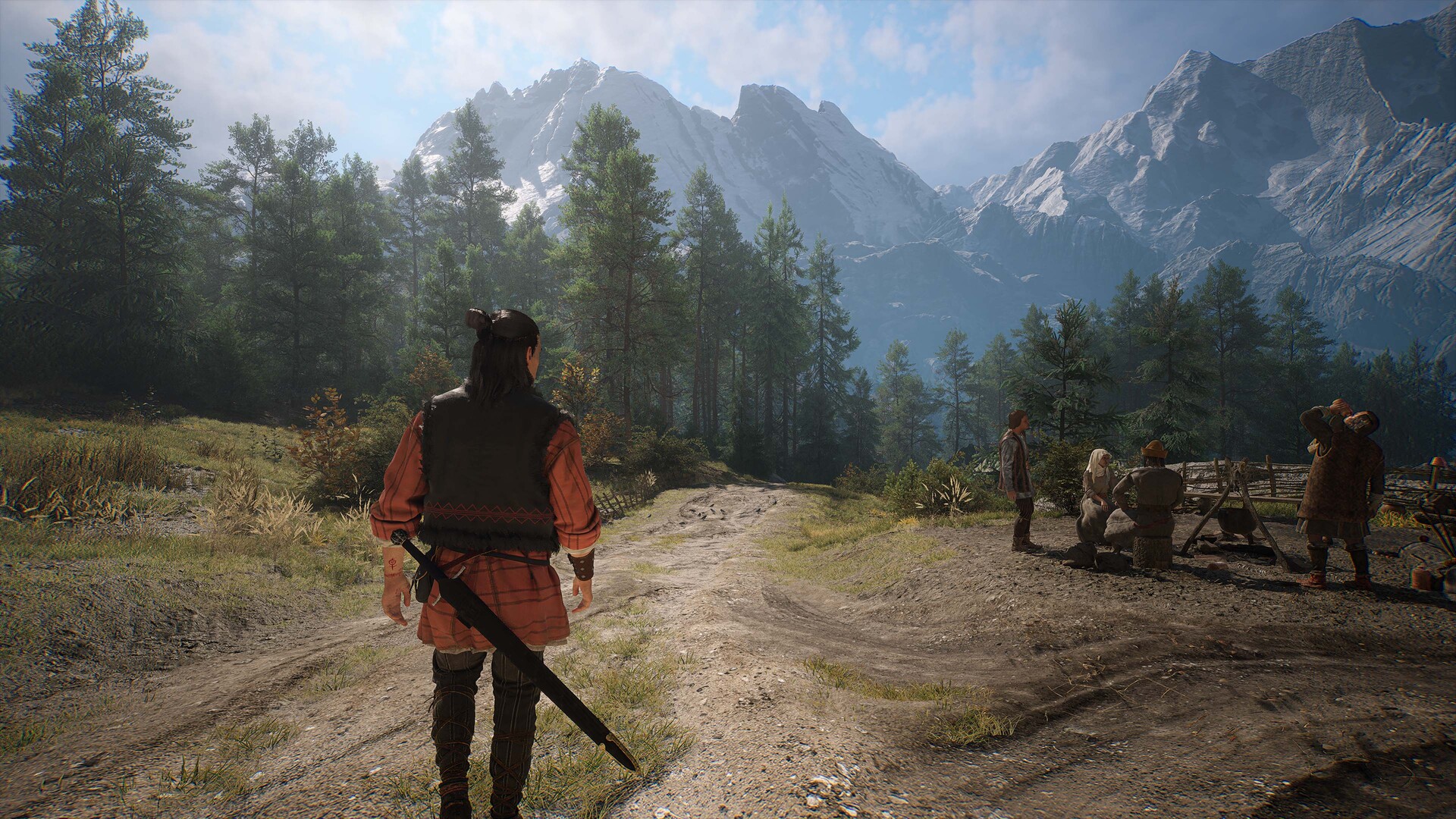
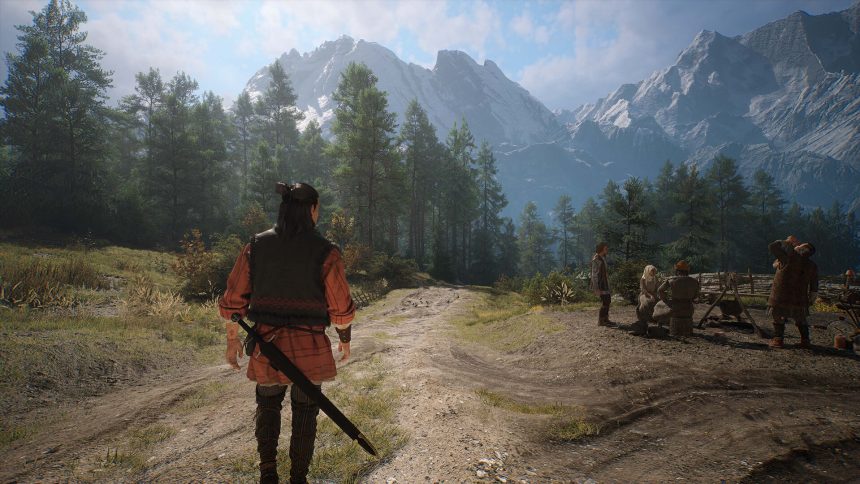
The Blood of Dawnwalker has transformed from a high-stakes gamble by a veteran development team into a standout RPG of 2026. The title’s market performance was immediate, as it surpassed one million units sold in its opening week. Beyond the commercial triumph, the game earned widespread acclaim, boasting an 86 percent “Very Positive” rating on Steam. While the launch period faced some technical hurdles, the community’s reception remains overwhelmingly favorable.
The Controversy Surrounding Time-Sensitive Gameplay
Despite the game’s overall polish, a specific design choice continues to spark debate: the integrated time mechanic. This feature was a point of contention even before the game hit shelves, and player sentiment remains divided. The intensity of this feedback was best illustrated by the community’s immediate reaction; the most downloaded modification on the game’s release day was a patch designed specifically to disable the timer entirely.
Much like the polarizing “stamina management” systems found in early survival-horror titles, the timer in The Blood of Dawnwalker forces players to prioritize efficiency over exploration. While some argue this adds a layer of necessary tension, others feel it restricts the freedom typically expected in a sprawling role-playing experience.
What Lies Ahead for the Sequel?
With Rebel Wolves currently expanding their team-as evidenced by recent recruitment drives-speculation regarding a follow-up is mounting. In a recent discussion with Eurogamer, Director Konrad Tomaszkiewicz addressed whether this controversial system would make a comeback in future installments.
Tomaszkiewicz clarified that the studio is keeping an open mind, stating, “We didn’t decide it, to be honest.” He emphasized that the team is prioritizing narrative cohesion over rigid design mandates. “We will play with it. If we have parts of the story, or the whole story, to which it fits, then we will use it. If we have stories where it does not fit, we will not force it. We will play with this system,” he explained.
This flexible approach suggests that Rebel Wolves is prioritizing player agency and narrative flow. By treating the time mechanic as a modular tool rather than a core pillar of the franchise, the developers are signaling a willingness to adapt their design philosophy based on the specific needs of their next project’s world-building.