



Samsung’s Strategic Pivot: Prioritizing HBM Over Traditional DRAM
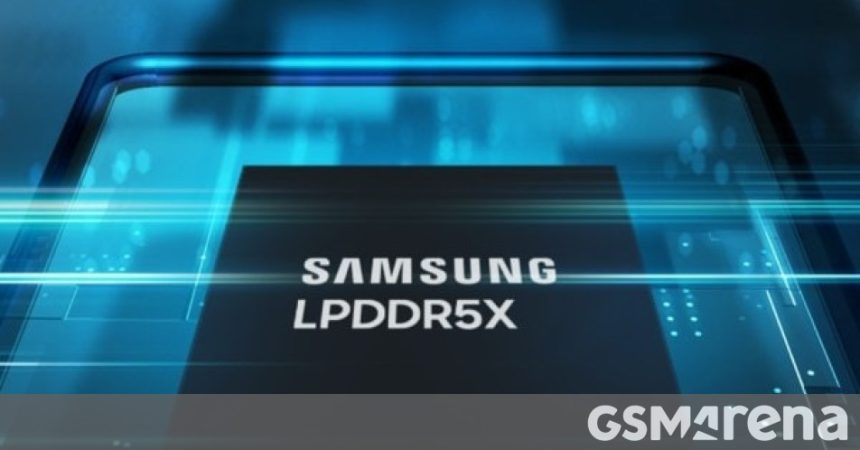
The global artificial intelligence arms race has triggered an unprecedented surge in demand for specialized high-performance hardware. At the heart of this technological shift is High Bandwidth Memory (HBM), a critical component for AI accelerators. Recognizing this trend, Samsung is aggressively realigning its manufacturing priorities to capitalize on the HBM sector, which has rapidly become the most lucrative pillar of its semiconductor division.
Optimizing Capacity Through Strategic Outsourcing
To facilitate this transition, Samsung is orchestrating a significant shift in its operational strategy. Industry insiders report that the tech giant is actively pressuring its manufacturing partners to accelerate the completion of their DDR5 production lines. By fast-tracking these external facilities, Samsung aims to offload a substantial portion of its standard DRAM production.
This move is designed to clear internal manufacturing capacity, allowing the company to dedicate its most advanced fabrication plants exclusively to the high-margin production of HBM chips. This is a calculated gamble: by outsourcing the “commodity” side of its memory business, Samsung can focus its internal resources on the high-growth, high-complexity AI memory market.
The Ripple Effect on the DDR5 Market
This strategic pivot raises valid concerns regarding the stability of the broader memory market. The DDR5 landscape is already characterized by tight supply chains and fluctuating availability, creating significant hurdles for system integrators, server farm operators, and individual consumers looking to upgrade their hardware.
As Samsung shifts its focus, the industry must brace for potential volatility. If the transition to outsourced production faces bottlenecks, the current scarcity of DDR5 modules could intensify, potentially driving up costs for end-users building new workstations or enterprise-grade servers.
Global Partnerships in Motion
To execute this massive logistical shift, Samsung is leveraging a network of international manufacturing partners. Current reports indicate that the company is in advanced negotiations with several key players to handle the overflow of standard DRAM production:
* Dreamtech (India): Expanding regional manufacturing capabilities.
* Hanyang Digitech (Vietnam): Scaling up production to meet global demand.
* SFA Semicon (Philippines): Integrating additional capacity to support the transition.
By diversifying its production footprint across these regions, Samsung is attempting to insulate its supply chain while doubling down on the AI-driven future of memory technology.