



Breaking Down Barriers: VirtualDJ Embraces OneLibrary for Seamless DJ Workflows
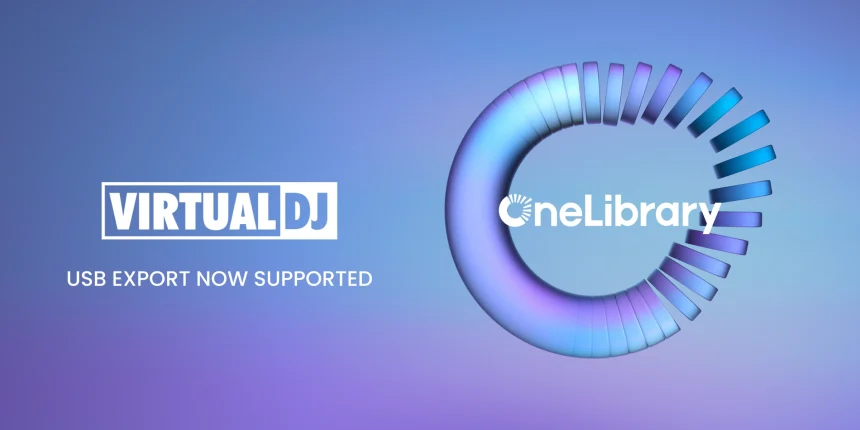
For years, the professional DJ circuit has been plagued by a tedious, time-consuming hurdle: the “library migration tax.” Every time a performer moved from their home studio setup to a club’s industry-standard hardware, they faced the grueling task of re-analyzing tracks, resetting Hot Cues, and rebuilding playlists. Thankfully, a major collaboration between AlphaTheta and Atomix Productions is finally putting an end to this friction. VirtualDJ has officially integrated support for OneLibrary, a universal standard designed to ensure your music collection remains consistent, regardless of the gear you plug into.
The End of Proprietary Library Lock-in
The core philosophy behind OneLibrary is simple: your metadata-including beatgrids, cue points, and loop settings-should be portable. By adopting this unified format, VirtualDJ allows artists to export their entire library directly to a USB drive. When you arrive at the booth, you simply plug in, and your library is ready to go.
This interoperability is a massive win for mobile DJs and touring artists who frequently encounter diverse hardware environments. Instead of spending hours prepping multiple versions of the same library for different software ecosystems, you now maintain a single “source of truth.”
Hardware Compatibility: What’s Supported?
This update isn’t just theoretical; it is immediately applicable to a wide range of high-end AlphaTheta equipment. Users can now enjoy plug-and-play functionality with several flagship units, including:
- CDJ-3000X and CDJ-1500X
- XDJ-AZ and XDJ-AN
- OPUS-QUAD
- OMNIS-DUO
By standardizing these formats, AlphaTheta is effectively dismantling the “walled garden” approach that has historically defined the DJ industry.
A New Era of Industry Collaboration
OneLibrary first emerged in October 2025 as a collaborative initiative aimed at fostering a more open ecosystem. In an industry where manufacturers often prioritize proprietary formats to keep users locked into their specific hardware, this shift toward standardization is a refreshing change of pace.
According to recent industry reports, the average professional DJ spends roughly 15-20% of their preparation time managing library metadata across different platforms. By reducing this administrative burden, artists can dedicate more energy to creative mixing and track selection.
Stephane Clavel, the CEO of Atomix Productions, emphasized that this integration aligns perfectly with VirtualDJ’s long-standing commitment to flexibility. “DJs shouldn’t have to adapt to technology – technology should adapt to DJs,” Clavel noted, highlighting the company’s focus on user-centric design. As more manufacturers join the OneLibrary initiative, the dream of a truly universal DJ experience is becoming a reality, allowing performers to focus on the music rather than the technical logistics of their gear.