





When you purchase through links in our articles, we may earn a small commission. This doesn’t affect our editorial independence.
The NFL’s Streaming Infrastructure Fails Its Fanbase
For a professional sports organization that generates billions in annual revenue, the NFL’s digital performance remains shockingly amateur. The league, which consistently ranks as the most profitable sports entity in the United States, continues to struggle with the fundamental requirement of a modern streaming service: actually delivering the game to the viewer.
A Costly Sunday Blackout
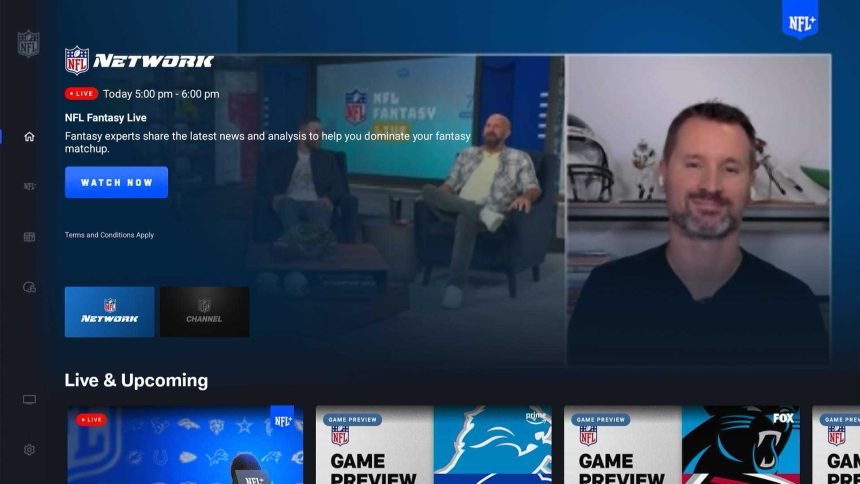
Subscribers who pay $15 monthly for the NFL+ Premium tier were met with a frustrating reality this past Sunday. Instead of the high-definition coverage they paid for, users were greeted by error screens and unresponsive interfaces. As the season’s opening Sunday kicked off, the official NFL app and web portal suffered a catastrophic failure, rendering the NFL Network and NFL Redzone feeds completely inaccessible.
The frustration was widespread, with numerous users venting on Reddit about the inability to access the content they had purchased. This isn’t just a minor technical glitch; it represents a recurring pattern of instability that plagues the league’s digital offerings.
The Cost of Unreliability
In an era where streaming giants like Netflix and YouTube handle massive concurrent traffic with near-perfect uptime, the NFL’s inability to maintain a stable stream is inexcusable. While the official NFL+ account on X eventually issued an apology, the damage was already done. By the time the service was restored, over an hour of critical game time had passed, leaving paying customers in the dark.
With the sports streaming market becoming increasingly crowded, reliability is the primary currency. According to recent industry data, consumer tolerance for buffering and outages is at an all-time low, with many viewers abandoning platforms after just one or two negative experiences. For the NFL, which relies heavily on its direct-to-consumer subscription model to capture younger demographics, these technical failures are more than just an inconvenience-they are a threat to the long-term viability of their digital ecosystem.