



A Century of Heritage: The Enduring Legacy of the Feast of San Gennaro
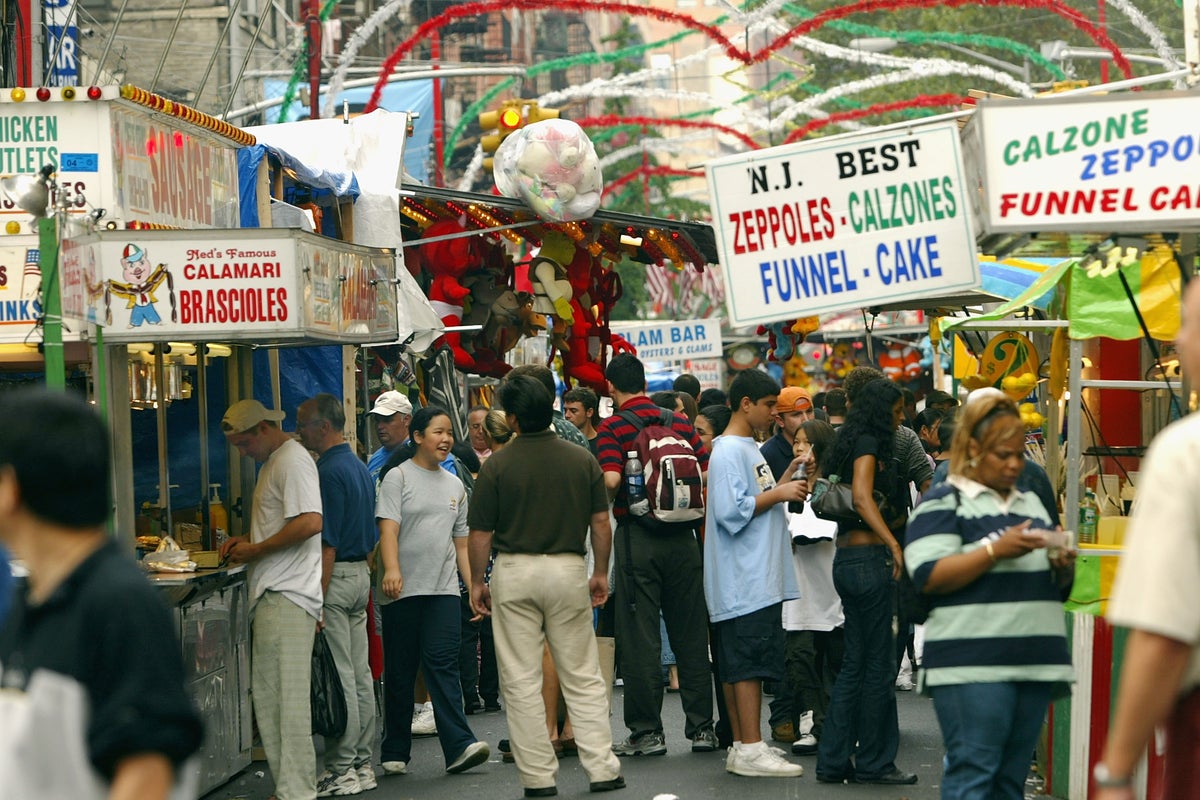
Every September, the streets of Manhattan undergo a vibrant transformation. For a fortnight, the air in New York City’s historic Little Italy becomes thick with the scent of frying dough and the sounds of celebration, as thousands gather for the iconic Feast of San Gennaro.
### A Milestone for Italian American Identity
Established in 1926, this gathering holds the title of the oldest and most expansive Italian cultural festival in the United States. As the event approaches its centennial, it remains a vital touchstone for the community. Originally conceived as a way for early 20th-century immigrants to maintain a connection to their ancestral roots, the festival provided a necessary space for a displaced population to honor their heritage in a new land. Today, it serves as a living bridge between the past and the present, drawing massive crowds to the heart of Mulberry Street.
### Beyond the Tourist Veneer
It is impossible to ignore the festival’s modern, commercialized layer. Visitors are often greeted by the familiar tropes of pop-culture “Italian-ness”: street performers channeling Frank Sinatra, stalls overflowing with overpriced merchandise referencing *The Sopranos*, and the ubiquitous aroma of classic Italian American staples like sausage and pepper sandwiches or chicken parmigiana subs.
While these elements might seem like mere kitsch, they are part of the festival’s evolution. Much like the way a modern smartphone might be used to document an ancient religious procession, these commercial aspects exist in tandem with the event’s deeper, more solemn origins.
### Ancient Roots in a Modern Setting
As a medievalist, I find the juxtaposition of the modern carnival atmosphere and the festival’s historical underpinnings fascinating. The Feast of San Gennaro is not just a street fair; it is a continuation of traditions that stretch back millennia. The act of public celebration, the communal gathering, and the veneration of a patron saint are practices that have defined Mediterranean culture since the Middle Ages.
The fact that these age-old rituals thrive alongside the neon lights and souvenir stands is a testament to the resilience of cultural memory. It proves that even in a fast-paced, modern metropolis, the human need to honor one’s history remains a powerful, driving force. Whether you are there for the history or the pizza, the festival remains a profound expression of the Italian American experience.