



### The New Trade Friction: Why Brussels is Targeting Chinese Hybrid Exports
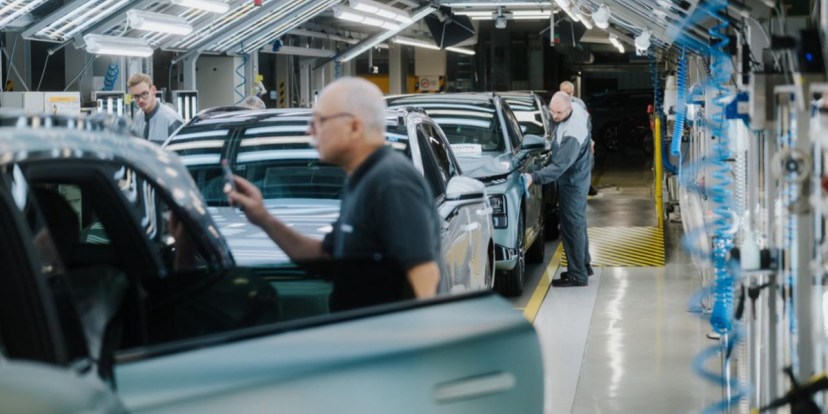
While the adage suggests history never repeats itself, it certainly has a habit of echoing previous patterns. During the 1980s, Western automotive industries were gripped by anxiety over the rapid rise of Japanese manufacturing, a tension that eventually culminated in strict export quotas. Fast forward to the present day, and the global trade landscape is witnessing a familiar standoff-only this time, the focal point is Beijing, and the commodity in question is the plug-in hybrid electric vehicle (PHEV).
#### A Shift in Strategy: From EVs to Hybrids
The European Union is currently signaling a firm stance toward Chinese automakers. Brussels has issued a clear warning: China must voluntarily curb its surging hybrid exports, or the European Commission will be forced to intervene with punitive tariffs. This move comes as a direct response to the evolving tactics of Chinese manufacturers who have successfully navigated previous regulatory hurdles.
When the European Commission initially imposed anti-subsidy duties on pure battery electric vehicles (BEVs), the expected cooling effect on the market failed to materialize. Instead, manufacturers pivoted, utilizing existing trade loopholes to maintain their momentum. Recent data indicates that Chinese brands have been remarkably resilient; despite the initial round of tariffs, their collective market share in Europe has actually doubled, largely by shifting focus toward the hybrid segment.
#### The Loophole Dilemma
The current trade friction highlights a significant oversight in the initial regulatory framework. By focusing primarily on fully electric models, the EU inadvertently left the door open for PHEVs to capture the interest of cost-conscious European consumers.
For context, the automotive industry is currently navigating a “transition period” where consumers are hesitant to commit fully to battery-only infrastructure. Hybrids offer a middle ground, and Chinese manufacturers have capitalized on this by offering high-tech, competitively priced models that undercut European domestic offerings. This has created a “whack-a-mole” scenario for EU trade regulators, who are now scrambling to close the gap before the hybrid market becomes as saturated as the BEV sector.
#### What Lies Ahead?
The pressure on Beijing to self-regulate is an attempt to avoid a full-blown trade war. However, if negotiations fail, the European Commission is prepared to expand its protective measures. As the automotive sector continues to evolve, the question remains whether these protectionist policies will foster domestic innovation or simply drive up costs for the average European driver.