




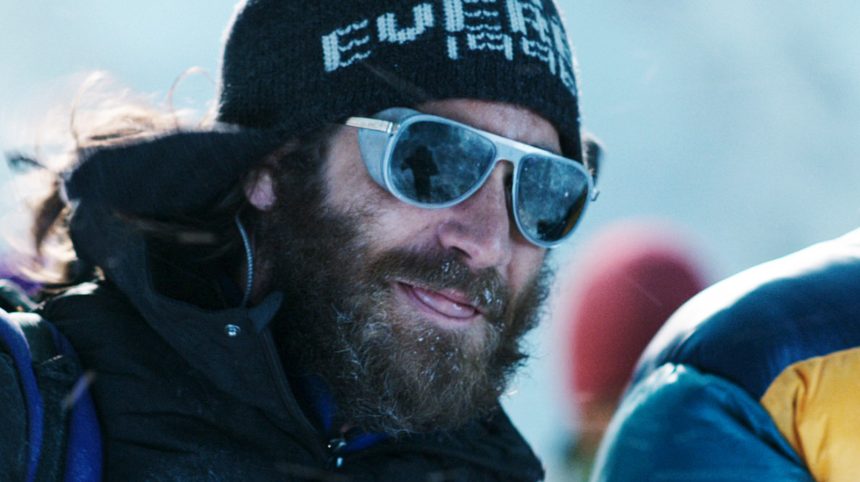

Universal Pictures
We may receive a commission on purchases made from links.
The Evolution of the Cinematic Event
Modern theatrical success often hinges on the “event movie” formula. To draw audiences away from their home streaming setups, studios must offer a sensory experience that feels mandatory. Whether it is the cultural gravity of a franchise like “Spider-Man: Brand New Day” shattering box office records, the interconnected narrative web of the Marvel Cinematic Universe, or the auteur-driven prestige of a director like Christopher Nolan-as evidenced by the massive financial triumph of “The Odyssey” in 2026-the industry relies on scale. However, the blueprint for these immersive, large-format spectacles was being refined long before the current era of blockbusters.
Revisiting the Heights of 2015
Over a decade ago, Universal Pictures leaned heavily into the IMAX 3D trend with the release of “Everest.” While marketing materials frequently highlighted Jake Gyllenhaal to anchor the film’s star power, the project was far more than a vehicle for a single A-lister. It functioned as a grueling, ensemble-driven survival drama that demanded the largest screen possible to convey the sheer scale of the Himalayas.
The film serves as a stark reminder of how survival epics utilize technical immersion to mirror the helplessness of their subjects. Much like the recent trend of “experiential” cinema, “Everest” was designed to make the audience feel the biting cold and the thinning oxygen of the Death Zone. While Gyllenhaal’s portrayal of Scott Fischer remains a standout performance, the film’s true protagonist was the mountain itself-a testament to the studio’s long-standing strategy of using high-stakes, true-story narratives to turn the theater into a destination.