





Why Barley Should Be Your Go-To Grain for Blood Sugar Management
When navigating a diagnosis of prediabetes or type 2 diabetes, the immediate instinct for many is to purge the pantry of all carbohydrates. While refined sugars and processed flours certainly deserve a backseat, eliminating all grains can be counterproductive. Instead of cutting out carbohydrates entirely, the secret to stable glucose levels lies in choosing the right complex carbohydrates-specifically, barley.
The Science of Sustained Energy
Unlike white rice or refined wheat, which cause rapid spikes in blood glucose, barley acts as a slow-release fuel source. This is largely due to its high concentration of beta-glucan, a type of soluble fiber. When you consume barley, this fiber forms a gel-like substance in your digestive tract, which significantly slows the absorption of sugar into your bloodstream.
Recent clinical data supports this: studies published in the Journal of Nutrition have indicated that individuals who incorporate barley into their breakfast routine experience improved insulin sensitivity throughout the day compared to those who consume standard oat-based or wheat-based cereals.
Beyond the Glycemic Index
Barley is a nutritional powerhouse that offers more than just blood sugar regulation. It is rich in magnesium, a mineral that plays a critical role in how your body utilizes insulin. Furthermore, its high fiber content promotes a healthy gut microbiome, which is increasingly recognized by researchers as a key factor in metabolic health.
Think of barley as the “slow-burn” engine of the grain world. While a sugary snack is like throwing gasoline on a fire-bright, fast, and quickly extinguished-barley is like adding a sturdy log to a hearth. It provides a steady, consistent warmth that keeps your energy levels balanced for hours, preventing the “crash” that often leads to mid-afternoon cravings.
Practical Ways to Incorporate Barley
You don’t need to be a gourmet chef to make barley a staple in your diet. Here are three simple ways to swap it into your current meal plan:
* The Morning Porridge: Swap your traditional rolled oats for hulled barley. It offers a satisfying, chewy texture and pairs perfectly with walnuts and a dash of cinnamon.
* The Hearty Salad Base: Use cooked, chilled barley as a foundation for a Mediterranean-style salad, tossing it with cucumbers, cherry tomatoes, feta, and a lemon-herb vinaigrette.
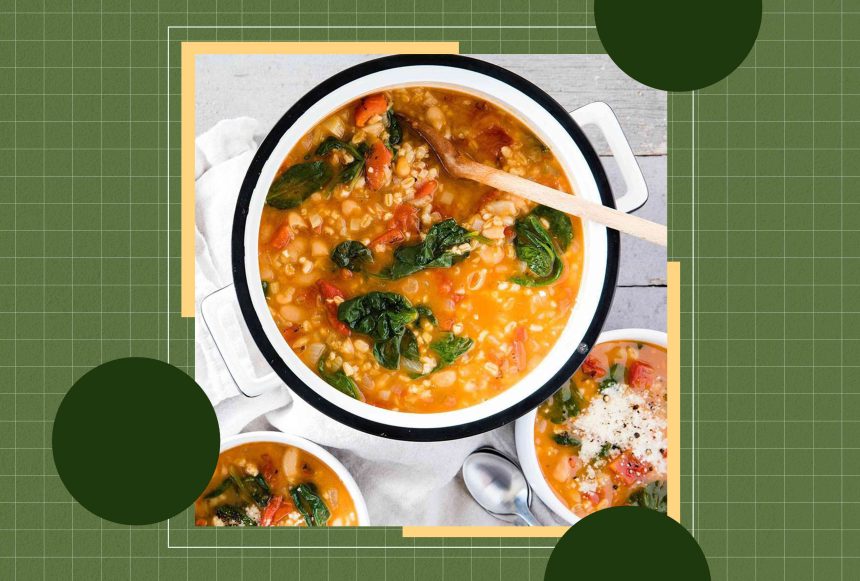
* The Soup Thickener: Instead of using potatoes or noodles to thicken your vegetable soups, add a half-cup of pearl or hulled barley. It absorbs the savory broth while adding a boost of fiber to every spoonful.
By shifting your focus from restriction to inclusion, you can enjoy a diverse, satisfying diet that supports your long-term health goals.