


# Waymo Targets Singapore for 2028 Robotaxi Expansion
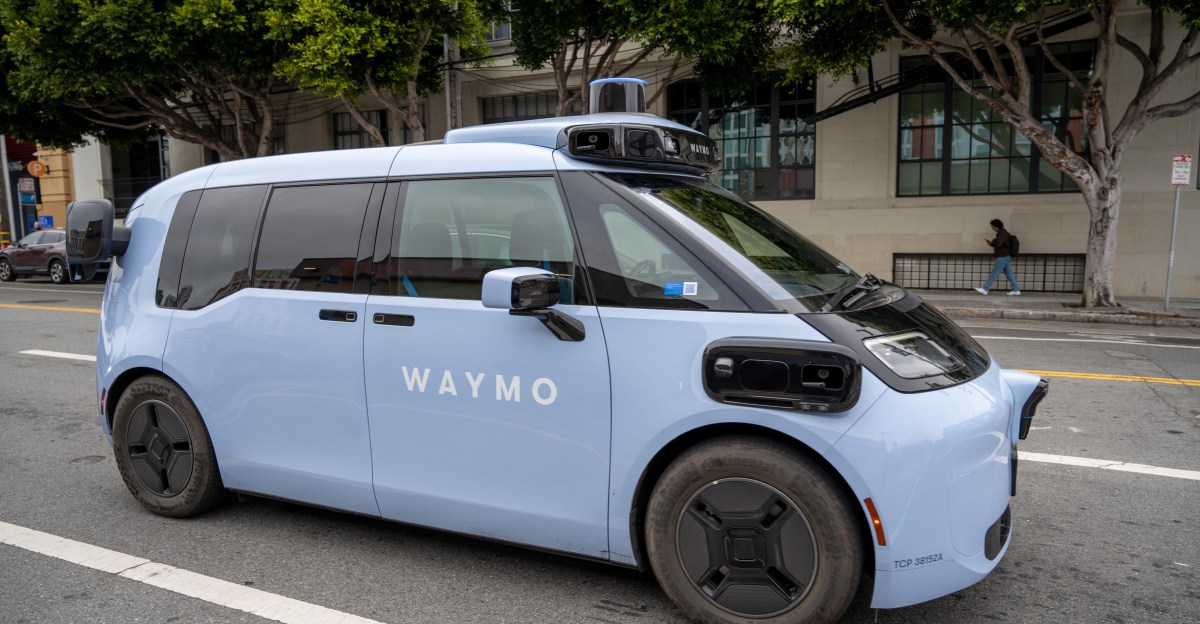
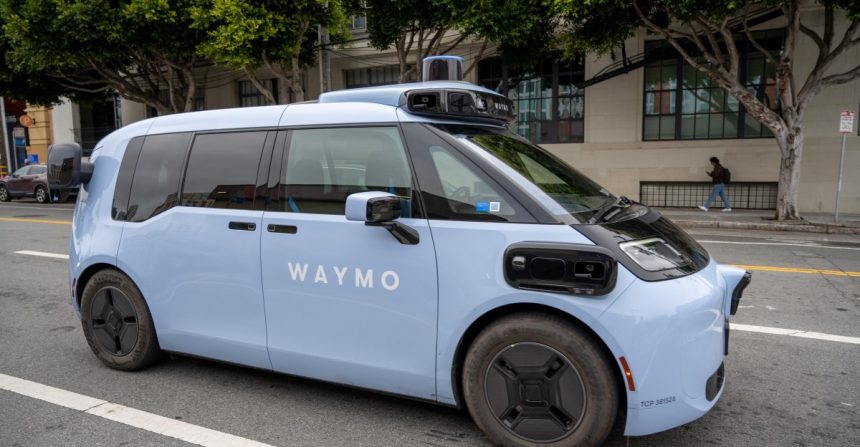
Alphabet’s autonomous driving division, Waymo, has officially set its sights on the Southeast Asian market, announcing plans to introduce a commercial robotaxi fleet in Singapore by 2028. This move marks a significant milestone in the company’s strategy to scale its driverless technology beyond North American borders.
## The Roadmap to Driverless Mobility
The transition to a fully autonomous ride-hailing service will follow a phased approach. Waymo intends to begin shipping its specialized vehicle fleet to Singapore in the near future. This initial phase will focus on high-definition mapping and rigorous autonomous testing, which will be conducted with human safety operators behind the wheel throughout 2027. By 2028, the company aims to transition to a fully driverless model, providing the public with seamless, autonomous transportation.
## Navigating Regulatory Hurdles
Before Waymo can open its doors to paying passengers, it must secure formal authorization from Singapore’s Land Transport Authority (LTA). [The city-state requires](https://lta.gov.sg/content/ltagov/en/industry_innovations/technologies/autonomous_vehicles.html) that all self-driving systems pass a comprehensive safety evaluation at the Centre of Excellence for Testing and Research (CETRAN). These protocols, crafted by the LTA and CETRAN in collaboration with the Traffic Police, ensure that any vehicle operating on public thoroughfares meets stringent safety benchmarks.
Waymo is not entering this market as a complete stranger. The company has already laid the groundwork by establishing [a local corporate entity](https://www.sgpbusiness.com/company/Waymo-Singapore-Pte-Ltd) earlier this year and actively contributing to the [Steering Committee on Autonomous Vehicles](https://www.weride.ai/posts/uwpo6lysiu6i9lg4egiifj86), a key body shaping the nation’s transport policy.
## Singapore: A Global Hub for Autonomous Innovation
Singapore has rapidly evolved into a premier testing ground for next-generation mobility. [Local authorities have green-lit](https://restofworld.org/2024/singapore-self-driving-vehicles/) a diverse array of autonomous applications, ranging from automated freight logistics and robotic road-sweepers to self-driving shuttles designed for airport personnel.
The city-state’s commitment to innovation is reflected in its infrastructure; for instance, the Jurong Innovation District serves as a living lab for these technologies. As the global autonomous vehicle market is projected to reach a valuation of over $2 trillion by 2030, Singapore’s proactive regulatory environment makes it an ideal partner for industry leaders like Waymo and competitors such as Motional, the Hyundai-backed firm already operating within the region.