





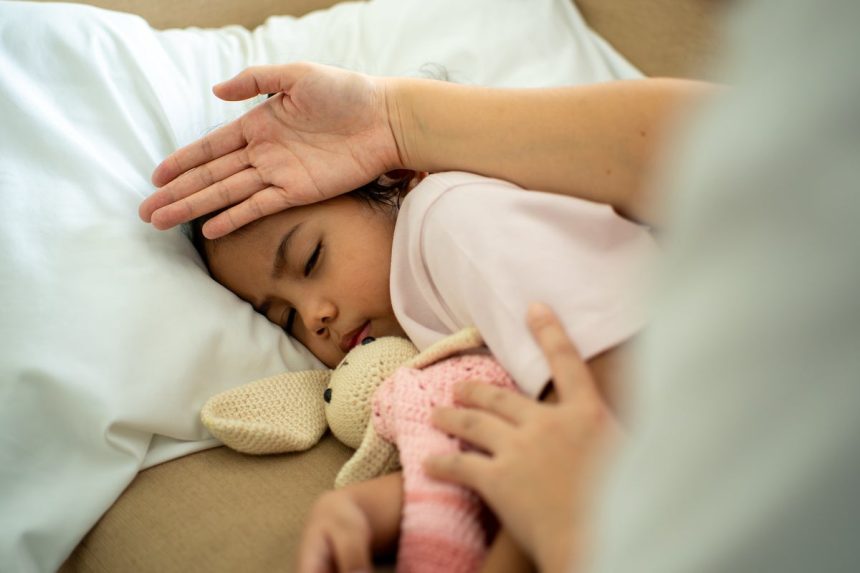
Navigating Pediatric Illness During the Colder Months
As temperatures drop, we enter the prime window for circulating respiratory viruses. During this period, parents frequently find themselves managing a trifecta of common ailments: COVID-19, influenza, and respiratory syncytial virus (RSV), alongside the perennial common cold. Distinguishing between these conditions is notoriously difficult, particularly because their early clinical presentations often overlap. To complicate matters further, the onset of autumn often coincides with lingering seasonal allergies, making it even harder to pinpoint the exact cause of a child’s sniffles or congestion.
The Dilemma: To Send or Stay Home?
When a child wakes up with a scratchy throat, a persistent cough, or a runny nose, parents are often faced with a difficult choice: send them to class or keep them home? As a pediatric nurse practitioner, I frequently guide families through this decision-making process.
It is essential to recognize that sending a symptomatic child to school is rarely the best course of action. Not only does it hinder the child’s own recovery process, but it also facilitates the rapid transmission of pathogens to peers and educators. This is particularly concerning for members of the school community who may be immunocompromised or living with vulnerable family members, for whom these “common” bugs can lead to severe health complications.
Understanding the Risks of Viral Transmission
While many childhood illnesses are mild, the potential for serious outcomes remains a reality. According to recent data from the CDC, respiratory viruses continue to be a leading cause of pediatric emergency department visits during the winter months. Because the clinical symptoms of COVID-19, the flu, and RSV are so similar, it is vital to monitor your child closely.
Identifying the specific nature of the illness is not just about peace of mind; it is about clinical safety. Certain viruses require specific management strategies, and failing to identify a more serious infection can lead to delayed treatment for children who are at a higher risk for complications. When in doubt, prioritizing rest and isolation is the most effective way to protect both your child and the broader community.