




Aerial Combat Takes Flight in Forefront’s Latest Expansion
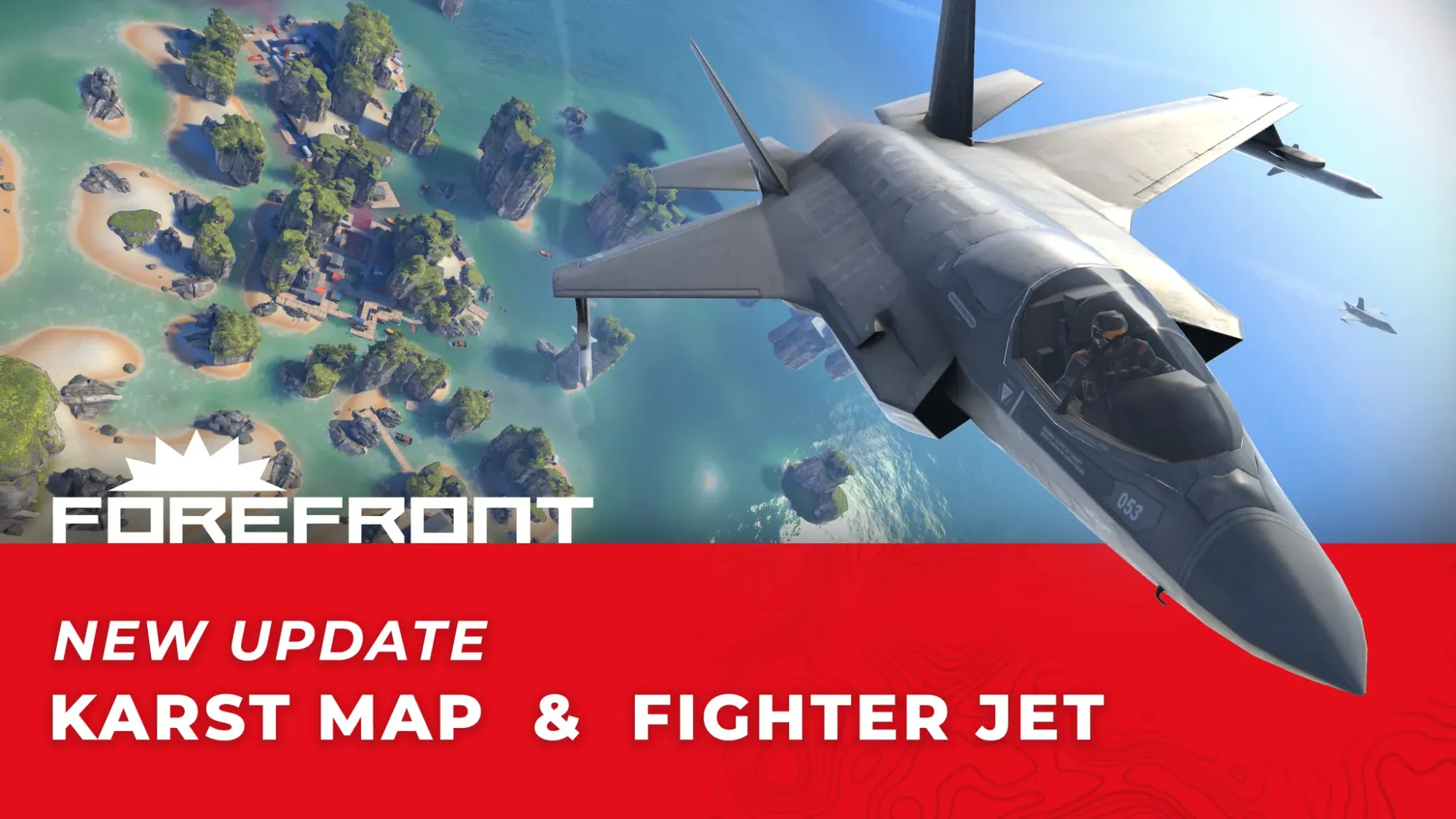
The expansive PvP first-person shooter Forefront has officially leveled up its tactical gameplay. In a significant free content drop, developer Triangle Factory has introduced high-speed fighter jets to the game’s vehicle roster, fundamentally shifting the dynamics of its large-scale skirmishes.
From “Impossible” to Airborne: The Evolution of Forefront’s Arsenal
Initially, the development team at Triangle Factory had dismissed the possibility of integrating fixed-wing aircraft, citing technical constraints and balance concerns. However, the studio has pivoted, labeling these new additions as “experimental vehicles.” This shift marks a bold move for the title, which previously focused on ground-based warfare and lighter transport options.
These jets are designed to cater to a wide spectrum of player skill levels. Pilots can engage in high-stakes dogfights utilizing advanced lock-on missile systems. To ensure accessibility, the developers have implemented a dual-control scheme: players can toggle between a realistic physical flight model or a more forgiving, arcade-style handling system. Furthermore, the inclusion of VTOL (Vertical Take-Off and Landing) capabilities allows for tactical flexibility, enabling pilots to hover or land in tight spaces-a feature reminiscent of the versatility seen in modern military hardware like the F-35 Lightning II.
New Horizons: The Karst Battlefield
To accommodate the increased verticality and speed of aerial combat, the update introduces a brand-new map: Karst. Inspired by the rugged, breathtaking geography of Southeast Asia, the map is anchored by a traditional Vietnamese fishing village nestled beneath towering, jagged limestone cliffs. This environment provides a dense, multi-layered playground that forces players to balance ground-level infantry maneuvers with the constant threat of overhead air support.
Currently, the fighter jets are restricted to specific environments to ensure map balance. Players can test their wings exclusively on the new Karst map and a specialized variant of the Paradise map. As the game continues to evolve, the integration of air-to-ground combat is expected to influence how teams coordinate their defensive strategies, especially as data suggests that coordinated air support can increase objective capture efficiency by up to 30% in large-scale shooters.