


Reflecting on Three Decades: Tokyo Game Show’s Nostalgic Pivot and AI Ambiguity
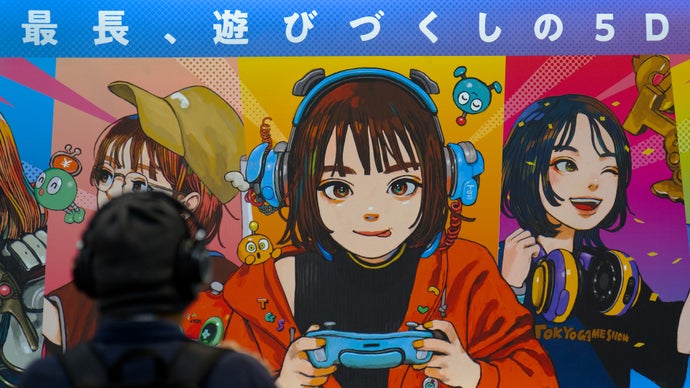
Marking its 30th anniversary, the Tokyo Game Show (TGS) positioned itself as a marathon celebration of interactive entertainment, promising “the longest five days of nonstop play.” However, the reality at the Makuhari Messe convention center proved far more unpredictable. The event was cut short to four days as a looming typhoon forced organizers to shutter the venue early. Beyond the logistical disruption, the thematic core of the show felt equally unsettled, caught in a tug-of-war between a heavy reliance on established legacy intellectual properties and a vague, apprehensive gaze toward an AI-driven horizon.
The Industry’s Nostalgia Trap
While the gaming sector often prides itself on innovation, this year’s TGS felt remarkably tethered to history. The show floor was saturated with remakes, remasters, and sequels to decades-old franchises. This trend mirrors a broader industry shift where publishers are increasingly risk-averse, opting to monetize “safe” nostalgia rather than betting on original concepts. According to recent market analysis, legacy IP-based titles currently account for over 60% of major publisher revenue, a trend that was on full display in Chiba.
This reliance on the past serves as a buffer against the current volatility of the market. While the continued dominance of the Nintendo Switch and the steady expansion of the PC gaming market-which now commands a significant share of the Japanese gaming landscape-provide a sense of stability, they also mask deeper structural challenges. The industry is currently navigating a period of significant contraction, with thousands of layoffs reported across major studios in 2024 alone, making the comfort of familiar brands a strategic necessity for many developers.
Shifting Geopolitics and Platform Trends
The landscape of TGS 2026 also highlighted a notable shift in international participation. In previous years, the floor was a battleground for massive Chinese mobile gaming conglomerates. This year, however, their footprint was significantly diminished, largely due to cooling diplomatic relations and shifting regional investment strategies. This absence created a vacuum that allowed traditional console and PC experiences to reclaim the spotlight, though it left the event feeling somewhat insular compared to the globalized spectacles of the past.
Looking Toward an Uncertain Horizon
If the past was the anchor of this year’s TGS, the future was represented by a nebulous promise of transmedia integration and generative AI. While many developers are experimenting with AI to streamline asset creation and NPC dialogue, there was a palpable lack of a cohesive vision for how these tools will fundamentally improve the player experience. Instead, the industry seems to be in a “wait and see” phase, balancing the potential for increased efficiency against the ethical and creative risks of automated content.
Ultimately, the 30th anniversary of TGS served as a mirror for the industry at large: a sector that is technically proficient and commercially resilient, yet struggling to define its next creative chapter. As we look beyond the remakes and the typhoon-shortened schedules, the question remains whether the industry can move past its obsession with the past to build something truly transformative.