





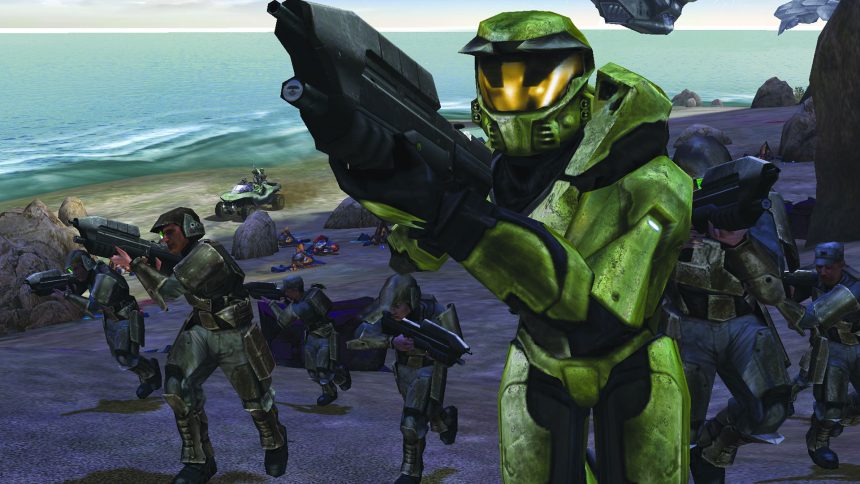
The Shifting Landscape of the Halo Franchise: Analyzing the Activision Rumors
The gaming community is currently reeling from a whirlwind of speculation regarding the future of the Halo series. Recent reports suggesting that Activision-the powerhouse behind the Call of Duty juggernaut-might be taking the reins for the next entry in the iconic sci-fi shooter franchise have sparked intense debate. As with any major industry leak, the narrative is evolving rapidly, with conflicting details leaving fans uncertain about what to expect.
Dissecting the Initial Reports
The conversation gained significant traction following a report from The Hollywood Reporter, which indicated that Activision is slated to develop the next mainline Halo title. According to their sources, this project is intended to be a “full-feature” installment. In the context of modern AAA development, this terminology typically implies a robust package that includes both a comprehensive single-player campaign and a competitive multiplayer suite-a standard that has become increasingly difficult to maintain in an era where many titles launch as “live service” shells.
Reboot vs. Continuation: The Core Conflict
Shortly after the initial news broke, industry insider TechnicalHalo offered a starkly different perspective, asserting that the upcoming project is being positioned as a complete reboot. This claim suggests that the studio intends to wipe the slate clean, effectively abandoning the established lore that has been built over the last two decades.
When challenged by readers who pointed to the Hollywood Reporter’s coverage as evidence of a direct sequel, TechnicalHalo dismissed the report as inaccurate. However, a closer examination suggests that the confusion may stem from a misunderstanding of terminology. The term “full-feature” does not inherently dictate a narrative direction; it refers to the scope of the game’s content. It is entirely possible for a game to be a “full-feature” experience while simultaneously serving as a narrative reboot.
What This Means for the Future of Halo
If these rumors hold weight, the transition of Halo to an Activision-led development team would represent one of the most significant shifts in Xbox history. For context, the franchise has historically been the cornerstone of Microsoft’s first-party output. Bringing in a studio known for the annual, high-octane release cycle of Call of Duty could signal a desire to revitalize the series’ multiplayer engagement, which has faced stiff competition from titles like Apex Legends and Valorant, the latter of which continues to dominate the tactical shooter market with millions of active monthly players.
While these details remain fluid and subject to change as development progresses, the prospect of a fresh start for Master Chief is undeniably polarizing. Whether this leads to a return to form or a radical departure from the series’ roots remains to be seen.




![[Event Review / Photography] Tinlicker Mesmerizes in Chicago to Commence North America Tour](https://www.mixtv1.com/wp-content/uploads/2026/09/34521-attachment.jpg)