


### The Long and Winding Road: Volkswagen’s ID. Buzz Hits a Strategic Speed Bump
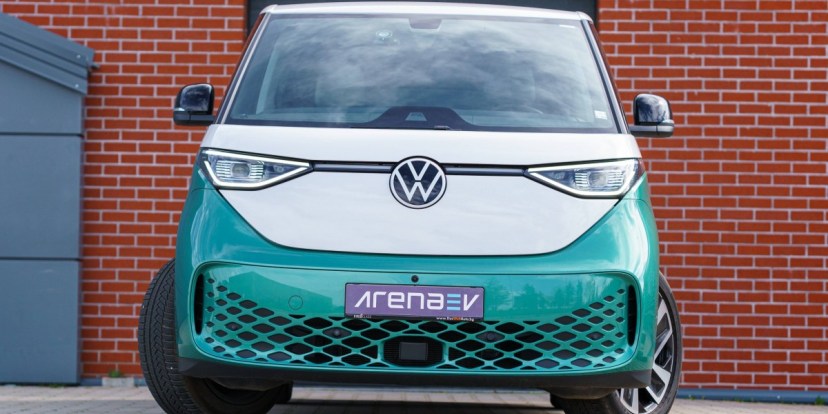
The journey of the Volkswagen ID. Buzz has been nothing short of an automotive odyssey, spanning a quarter-century of anticipation. For those of us who recall the buzz surrounding the 2001 Microbus concept, the promise of a modern-day successor to the iconic Woodstock-era van felt like a perpetual “coming soon” sign. It wasn’t until the industry-wide pivot toward electrification in 2017 that the concept finally evolved into the ID. Buzz. After years of corporate restructuring, shifting design philosophies, and a complete overhaul of powertrain technology, the production model finally graced U.S. showrooms in late 2024.
### A Sudden Halt in Momentum
Just as the nostalgia-fueled excitement began to translate into real-world sightings on American roads, Volkswagen has opted to tap the brakes. In a move that has caught many industry analysts off guard, the automaker has communicated to its U.S. dealer network that the ID. Buzz will be conspicuously absent from the lineup for the 2026 and 2027 model years.
This decision effectively places the American rollout of the electric van into a deep freeze. While the vehicle remains a cornerstone of VW’s global EV strategy, domestic buyers will have to wait until late 2027 to see the next iteration of this retro-inspired hauler.
### Why the Delay?
While Volkswagen has not explicitly detailed the reasoning behind this two-year hiatus, the move mirrors broader industry trends where manufacturers are recalibrating their EV production schedules to match current market adoption rates. With the global EV market seeing a growth rate that-while still positive-has slowed compared to the aggressive projections of 2021, many legacy automakers are prioritizing high-volume segments over niche, lifestyle-oriented vehicles.
For the ID. Buzz, this pause serves as a strategic reset. By pushing the timeline back, Volkswagen may be looking to optimize supply chains or integrate next-generation battery technology that could improve the range and efficiency of the three-row model, ensuring that when it does return, it is better positioned to compete in a more mature electric vehicle landscape.