




Democratizing Game Development: Meta’s New AI-Driven Horizon Tools
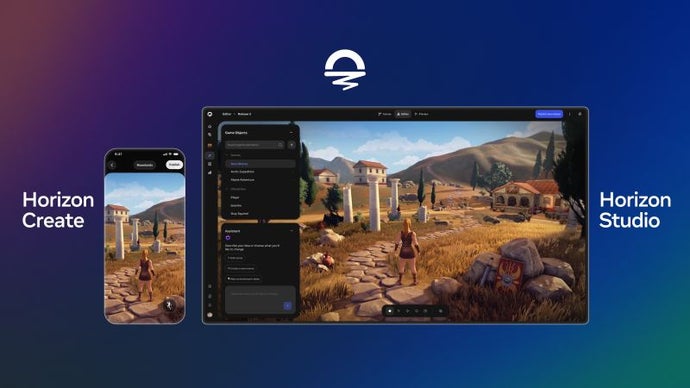
Meta is fundamentally shifting the landscape of interactive entertainment by lowering the barrier to entry for aspiring developers. During the recent Meta Connect event, the tech giant unveiled two innovative platforms-Horizon Create and Horizon Studio-designed to transform how users conceptualize and build 2D and 3D gaming experiences.
Bridging the Gap Between Concept and Play
Historically, the path to publishing a game has been paved with significant obstacles: the need for high-end workstations, years of technical training in engines like Unreal or Unity, and months of grueling development cycles. Meta’s latest initiative aims to dismantle these hurdles by leveraging the “agentic creation” power of the Meta Horizon Engine.
By utilizing generative AI, these tools allow users to bypass complex coding environments. Instead, creators simply input descriptive text prompts, and the engine handles the heavy lifting, translating natural language into functional, playable game mechanics.
A Unified Ecosystem for Creators
While the two platforms serve different environments, they are built upon a shared backend architecture. This integration ensures a seamless workflow:
* Horizon Create: Optimized specifically for mobile devices, allowing for on-the-go development.
* Horizon Studio: A browser-based interface tailored for more detailed desktop workflows.
Because these platforms share a common foundation, creators can start a project on their phone and pick up exactly where they left off on a browser. Assets, logic systems, and version history sync automatically, ensuring that iteration remains fluid regardless of the device being used.
From Prompt to Platform
The efficiency of this system is striking. Once a user describes their vision, the Meta Horizon Engine generates the game environment. Perhaps most importantly, the friction of distribution is eliminated; once a project is finalized, it can be deployed instantly across Meta’s massive social ecosystem, including Facebook and Instagram.
This is a significant departure from traditional publishing, where developers must navigate complex SDKs and store approval processes. By integrating directly into social feeds, Meta is positioning these games to reach audiences where they already spend their time.
The Future of the Creator Economy
The potential impact of these tools is substantial. According to recent industry data, the global generative AI in gaming market is projected to grow at a compound annual growth rate (CAGR) of over 20% through 2030, as more companies look to automate asset creation. Meta is clearly positioning itself at the forefront of this trend.
Currently, the tools are in an exclusive testing phase. A select group of developers is actively refining the platform, supported by the Meta Horizon Creator Fund. This financial backing suggests that Meta is serious about cultivating a robust library of user-generated content before a wider public rollout.