




The Great European Shift: How Record Fuel Costs Are Accelerating the EV Revolution
The sight of fuel prices soaring to historic peaks-with petrol hovering around €2.092 per liter and diesel climbing to a staggering €2.226-has triggered a profound psychological shift across Europe. To put this into perspective for our U.S.-based audience, European diesel prices have surged to roughly €8.19 per gallon. This represents a massive premium compared to the average costs seen on the American East Coast, creating a financial pressure cooker that is fundamentally altering consumer behavior.
For years, industry analysts argued that European motorists were inextricably tied to the reliability and torque of turbodiesel engines. However, the current volatility in the energy market has proven to be a far more effective catalyst for change than any government incentive program. The sheer cost of traditional combustion has done what a decade of policy-making could not: it has forced the average driver to seriously consider the switch to electric mobility.
Market Dynamics: A Surge in Plug-in Adoption
The latest data from the European Automobile Manufacturers’ Association (ACEA) confirms that this transition is no longer a niche trend; it is a structural transformation. August registration figures reveal a robust 5.3% increase in total passenger vehicle sales, reaching 832,637 units continent-wide.
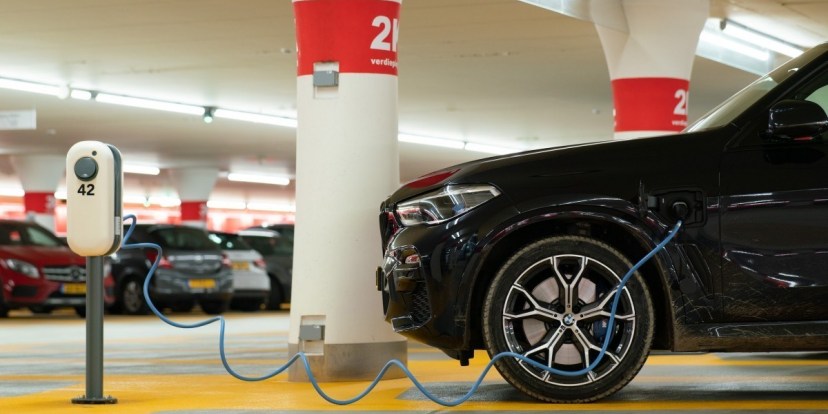
This growth is increasingly dominated by electrified powertrains. As charging infrastructure expands and the “range anxiety” narrative fades, the economic argument for EVs has become undeniable. When the monthly cost of electricity is measured against the volatile, high-stakes gamble of the fuel pump, the decision to go electric becomes a matter of financial survival rather than just environmental preference.
Beyond the Pump: Why the Momentum is Sustainable
The current market trajectory suggests that we are witnessing a permanent departure from fossil-fuel dependency. With major manufacturers pivoting their entire production lines toward battery-electric vehicles (BEVs) and plug-in hybrids (PHEVs), the supply side is finally catching up to the desperate consumer demand. As economies of scale improve and battery technology becomes more efficient, the barrier to entry for the average household continues to drop, ensuring that the shift we see today is merely the beginning of a long-term trend.