





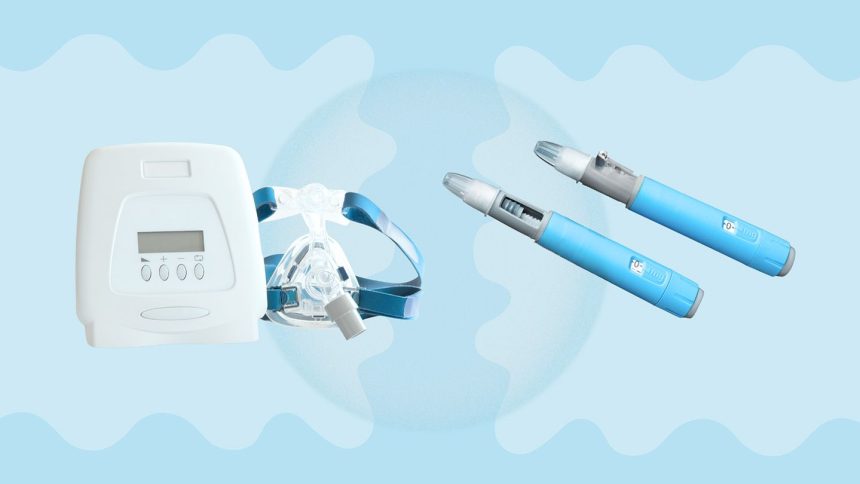
Can GLP-1 Medications Substitute Traditional Obstructive Sleep Apnea Therapies?
While the emergence of GLP-1 receptor agonists like Zepbound (tirzepatide) has generated significant excitement regarding the management of Obstructive Sleep Apnea (OSA), it is a misconception to view these pharmaceuticals as direct substitutes for established interventions such as Continuous Positive Airway Pressure (CPAP) therapy. Medical experts emphasize that these two approaches serve distinct, complementary roles in a comprehensive treatment plan.
The Temporal Gap: Immediate Relief vs. Long-Term Metabolic Change
The primary distinction between these modalities lies in their mechanism and speed of action. A CPAP device functions as a mechanical bridge, providing immediate pneumatic splinting of the upper airway to ensure consistent oxygen flow from the very first night of use.
In contrast, GLP-1 medications operate through systemic metabolic pathways. Clinical observations suggest that patients typically require a duration of 6 to 12 months of consistent tirzepatide therapy before significant reductions in OSA severity are clinically measurable. Relying solely on medication during this transition period leaves the patient vulnerable to the immediate health risks associated with untreated sleep-disordered breathing.
Strategic Integration: A Dual-Track Approach
Rather than choosing one over the other, clinicians often advocate for a synergistic strategy. Dr. Ashraf notes that because CPAP provides rapid relief from daytime somnolence and nocturnal sleep fragmentation, it remains the gold standard for immediate symptom management.
* The “CPAP-First” Protocol: For most patients, the most effective path is initiating CPAP therapy immediately while simultaneously beginning a GLP-1 regimen. This ensures the patient is protected from apnea events while the medication works to reduce the underlying adipose tissue contributing to airway obstruction.
* Addressing Patient Resistance: In cases where a patient exhibits significant psychological or physical aversion to CPAP equipment, physicians may pivot to a weight-centric approach. By prioritizing weight reduction through GLP-1s, the goal is to eventually reach a body mass index (BMI) where the severity of OSA is sufficiently mitigated, potentially reducing the reliance on mechanical ventilation.
The Necessity of Ongoing Clinical Monitoring
Regardless of the chosen path, the importance of periodic reassessment cannot be overstated. As weight loss progresses, the physiological requirements for airway pressure often change. Patients must undergo regular follow-up sleep studies to determine if their CPAP settings need adjustment or if they have reached a point where mechanical intervention can be safely de-escalated.
Current data suggests that while weight loss is a powerful tool for addressing the root cause of OSA, the mechanical support provided by CPAP remains the most reliable safeguard against the cardiovascular and cognitive complications of the disorder during the weight-loss journey.