




The Strategic Pivot: Why Krafton Shelved PUBG: Black Budget
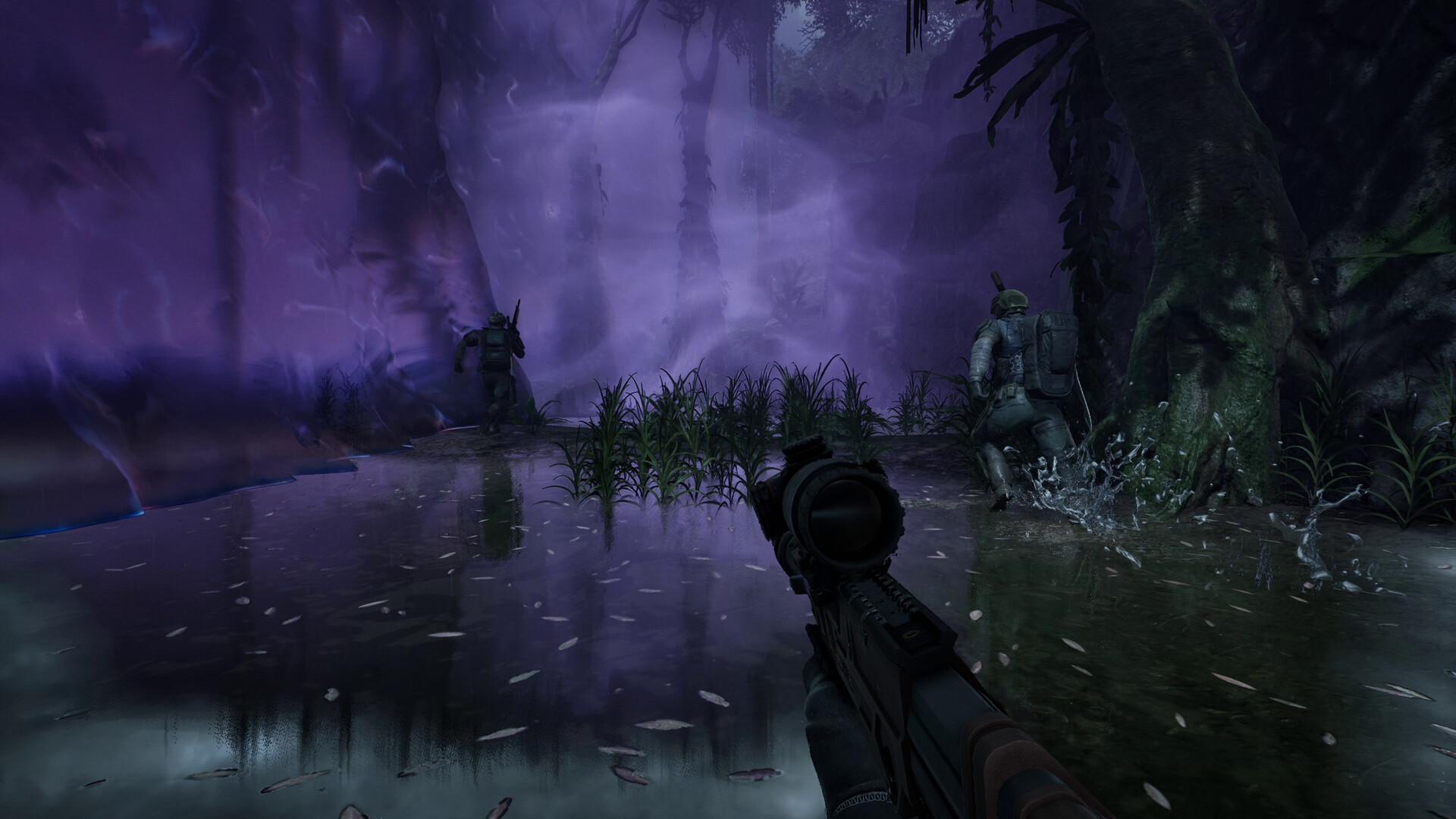
When Krafton first unveiled PUBG: Black Budget last year, the announcement generated significant buzz, promising a fresh extraction-based direction for the iconic battle royale series. However, the studio has recently performed an about-face, officially halting development on the project. This decision marks a notable shift in Krafton’s portfolio strategy, prioritizing proven successes over experimental spin-offs.
Navigating a Crowded Extraction Market
The extraction shooter genre has become increasingly saturated, with high-profile titles fighting for a finite pool of player attention. Krafton’s decision to cancel development appears to be a calculated move to avoid entering a market where long-term retention is notoriously difficult to secure.
Industry data suggests that live-service games face a “survival of the fittest” environment; according to recent market analysis, player engagement in the extraction sub-genre is heavily concentrated among a few dominant titles. By stepping back, Krafton is likely avoiding the risk of launching a product that fails to gain the necessary traction to sustain a live-service model. The ongoing success of competitors like ARC Raiders-which continues to evolve through updates like the Frozen Trail release this October-highlights the high bar for entry that Black Budget would have needed to clear.
Refocusing on Proven Franchises
Rather than spreading resources thin, Krafton is doubling down on its most promising assets. The company has clearly signaled that its future growth lies in expanding established intellectual properties. A prime example of this focus is the Subnautica series. Following the massive commercial success of the sequel, which has already surpassed 5 million units sold, Krafton is actively working to transform the underwater survival series into a cornerstone franchise IP.
Ultimately, while fans of the PUBG universe may be disappointed by the loss of Black Budget, the move reflects a broader industry trend: studios are becoming more selective, choosing to nurture existing hits rather than chasing trends in volatile genres.