



The Glastonbury Connection: Why Fatboy Slim Performs for Free
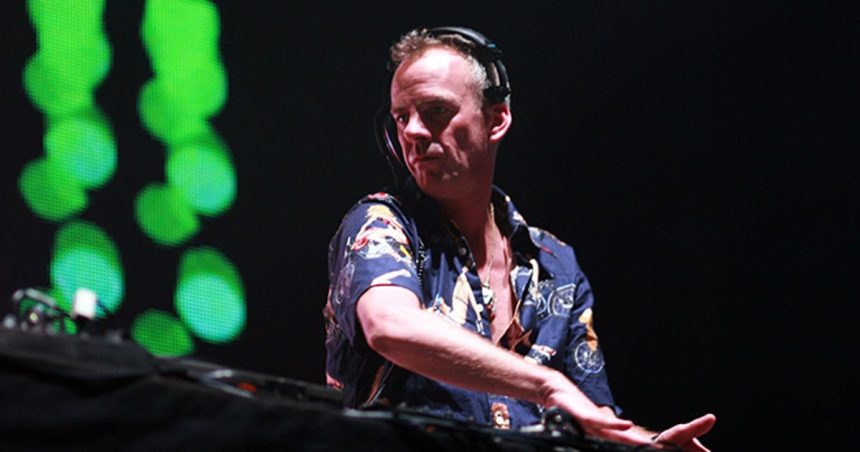
For decades, the legendary DJ Fatboy Slim-known to his friends and family as Norman Cook-has been a staple of the UK festival circuit. However, a surprising revelation from a recent interview with Metro highlights a unique arrangement between the artist and the iconic Glastonbury Festival: he has never received a paycheck for his performances.
Despite gracing the stages at Worthy Farm over 100 times, Cook maintains that the relationship is built on mutual respect and access rather than financial compensation.
A Symbiotic Relationship at Worthy Farm
Rather than a traditional artist-promoter contract, Cook describes his involvement with the festival as a “barter” of sorts. While he doesn’t collect a performance fee, he enjoys the perks of being a festival insider.
“I’ve never been paid to play there, but I’ve also never had to buy a ticket,” Cook noted. He credits festival founders Michael and Emily Eavis for providing him with complimentary access, which grants him the freedom to host intimate, unannounced sets in unconventional corners of the site.
From 1986 to a Century of Sets
Cook’s history with the festival is extensive, dating back to his debut in 1986 when he performed as part of a band. Since then, he has become a permanent fixture, often appearing under various monikers. His dedication to the event reached a milestone in 2025, when he celebrated his 100th set at the Block9 Genosys stage.
To put this in perspective, the average major headliner might play a festival once every few years. Cook’s presence is more akin to a resident artist, appearing almost annually regardless of whether he is officially listed on the main lineup.
More Than Just a Gig
For the Brighton-based producer, Glastonbury represents the pinnacle of creative freedom. He describes the event as a “forward-thinking, beautiful human experience,” emphasizing that the cultural value of the festival outweighs the need for a standard performance contract.
Whether he is performing on a massive stage or simply wandering the grounds as a spectator, Cook views the festival as a vital hub for alternative culture. As he told Metro, his involvement fluctuates between official bookings and spontaneous appearances, proving that for some artists, the experience of the festival is the reward itself.
Looking to show your support for the scene? Shop the Mixmag collection here.