




Image via Remedy Entertainment
Redefining Navigation: Lessons from Control Resonant
The release of Control Resonant has solidified Remedy Entertainment’s reputation as a master of the surreal, single-player experience. Following its successful debut, the title has become a focal point for industry analysis, particularly regarding how developers can guide players through complex, non-linear environments without relying on traditional hand-holding mechanics.
Breaking the Mold of Level Design
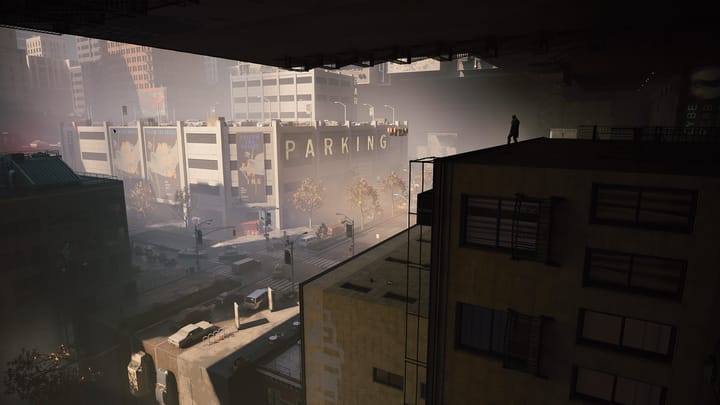
In a recent appearance on the Dropped Frames podcast, director Mikael Kasurinen provided a deep dive into the architectural philosophy behind the game. The development team faced a significant hurdle: transitioning from the claustrophobic, shifting corridors of “The Oldest House” to the sprawling, reality-bending streets of Manhattan. In this version of New York, where the “Pattern” distorts physics and geometry, standard navigation tools often fail to convey a sense of direction.
To maintain immersion, the team had to rethink how they communicated paths to the player. Instead of relying on conventional design crutches, they opted for a more organic approach to environmental storytelling.
The “Yellow Paint” Debate
A central theme of Kasurinen’s discussion was the deliberate rejection of “yellow paint”-a ubiquitous industry trope where developers splash bright, high-contrast colors on climbable ledges or interactive objects to signal the intended path. While this technique is effective for accessibility, it can often break the “fourth wall” and diminish the player’s sense of discovery.
By moving away from these visual signposts, Control Resonant forces players to engage more deeply with the environment. Rather than following a neon-colored trail, players must observe architectural cues, lighting shifts, and structural patterns to navigate the world. This shift mirrors a growing trend in modern game design, where titles like Elden Ring or The Legend of Zelda: Breath of the Wild have successfully prioritized environmental intuition over explicit UI markers.
As the industry continues to evolve, the success of this design philosophy suggests that players are increasingly capable of-and interested in-navigating complex spaces through observation rather than instruction.
For a deeper look at the technical implementation of these design choices, you can read the full breakdown here:
Related: Paradox Interactive’s Afterworld wants to entice new players to grand strategy with tasty RPG hooks