

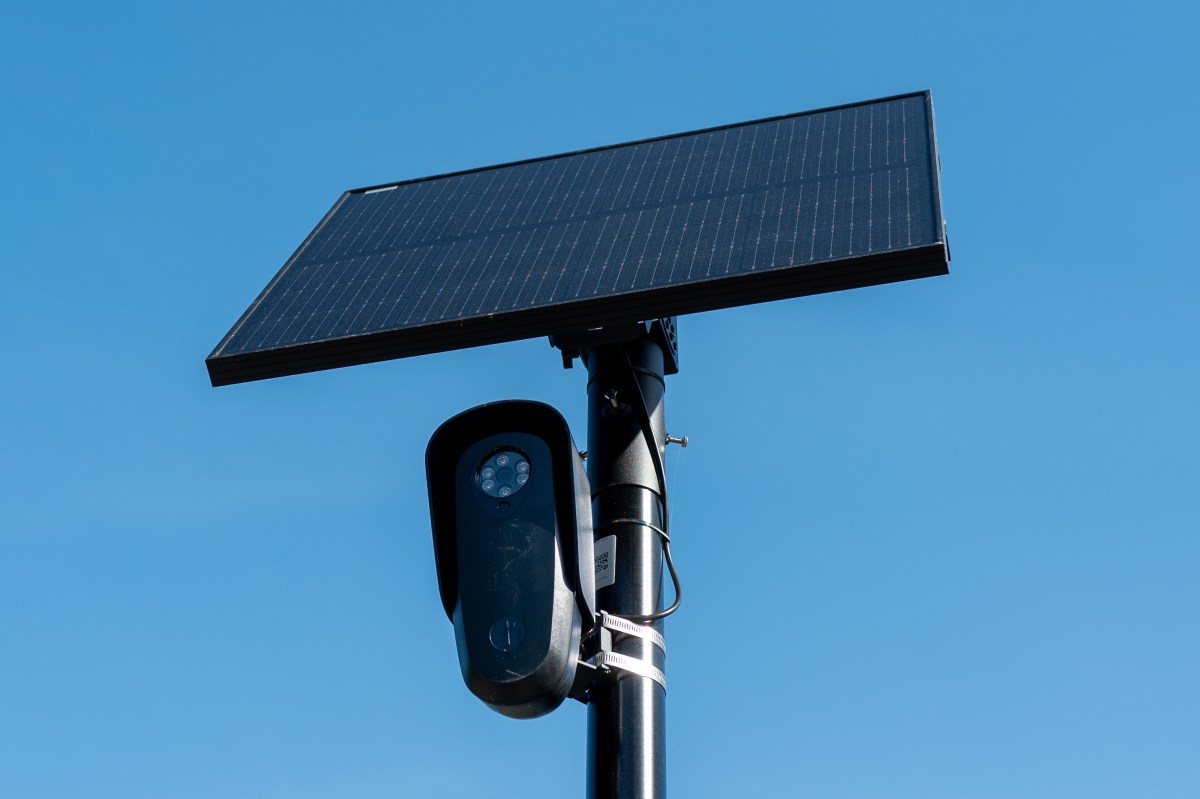



Federal Ruling Challenges Warrantless Use of Flock Safety Surveillance
In a significant legal development, a federal judge has determined that a Tulsa County sheriff’s deputy infringed upon a citizen’s Fourth Amendment protections by utilizing Flock Safety’s automated license plate recognition (ALPR) technology to track her vehicle without judicial oversight.
The Legal Implications of the Tulsa Decision
While the recent opinion issued by Judge Sara Hill does not establish a nationwide legal precedent, it marks a pivotal moment in digital privacy litigation. It represents one of the inaugural instances where a federal court has explicitly labeled the use of Flock Safety databases as unconstitutional. The case centered on a deputy who queried the system to locate a specific vehicle, citing no probable cause other than the driver’s out-of-state California plates.
The consequences of this unauthorized search were substantial. After tracking the woman’s movements through the Flock network, the deputy initiated a traffic stop and searched her vehicle, eventually claiming to find 91 pounds of methamphetamine. However, Judge Hill invoked the “fruit of the poisonous tree” doctrine, ruling that because the initial digital search was illegal, any evidence subsequently gathered-including the narcotics-must be suppressed.
Mass Surveillance and the Fourth Amendment
Beyond the specifics of this individual case, Judge Hill’s ruling serves as a stern critique of how modern law enforcement agencies utilize private surveillance networks. The court highlighted that while individuals have a diminished expectation of privacy in public, the aggregation of data changes the constitutional landscape. When police can passively and indiscriminately catalog a person’s movements over weeks or months, it transforms routine monitoring into a pervasive form of tracking.
“This is a type of indiscriminate mass surveillance,” Judge Hill noted in her written opinion. She argued that allowing officers to access such granular travel history whenever it is “convenient” creates a dangerous loophole that bypasses the warrant requirement essential to protecting civil liberties.
The Growing Debate Over ALPR Technology
The proliferation of ALPR systems like Flock Safety has sparked intense debate among privacy advocates and law enforcement agencies. According to recent industry data, thousands of police departments across the United States now utilize these camera networks, which capture millions of license plate images daily. Critics argue that this creates a “digital dragnet” that disproportionately impacts innocent travelers.
For instance, consider a scenario where a commuter drives to work, visits a pharmacy, and stops at a grocery store. In a city saturated with ALPR cameras, that individual’s entire daily routine is logged into a searchable database. If law enforcement can access this history without a warrant, the fundamental right to move freely without being tracked by the state is effectively eroded. This ruling suggests that the judiciary is beginning to recognize that the sheer scale of modern surveillance technology requires a more rigorous application of constitutional safeguards than traditional, manual police work.


![[Event Review / Photography] SOFI TUKKER Unleashes Their Animal Talk Tour In Chicago](https://www.mixtv1.com/wp-content/uploads/2026/10/38153-attachment.jpg)