

### From Milano to Junior: Alfa Romeo’s Electrified Identity Crisis
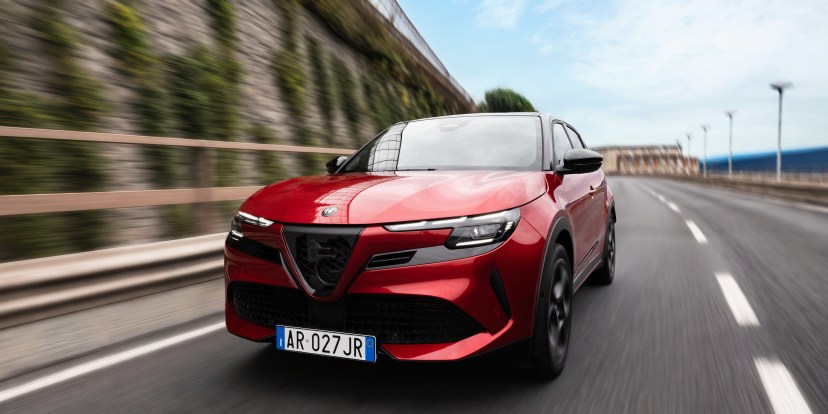
Alfa Romeo has long mastered the art of the dramatic entrance, and the debut of its inaugural electric crossover was no different. The launch became an unexpected theater of national pride when Italy’s government officials took issue with the vehicle’s original moniker, “Milano.” Because the car is manufactured in Poland, the Italian industry minister labeled the branding a form of commercial betrayal. Rather than engaging in a protracted legal battle, Alfa Romeo pivoted with characteristic flair, digging into its heritage to rebrand the model as the “Junior.” It was a move that felt like a scene from an Italian opera-equal parts bureaucratic absurdity and romantic reinvention.
### The Challenge of Electrifying a Legacy
With the political dust settled, a more profound, existential question remains for the brand’s loyalists: Is it possible to distill the essence of Alfa Romeo-a marque defined by the visceral roar of twin-cam engines and the agility of featherweight racing coupes-into a battery-powered platform?
The automotive industry is currently undergoing a massive shift toward electrification, with global EV sales projected to reach nearly 17 million units by the end of 2024. For a brand like Alfa Romeo, which relies heavily on emotional connection and mechanical heritage, the transition is particularly fraught. Unlike legacy manufacturers that prioritize pure utility, Alfa Romeo’s DNA is rooted in “la meccanica delle emozioni” (the mechanics of emotions).
### Can Software Replace Soul?
The Junior represents a pivotal moment for the brand. To succeed, it must prove that an electric powertrain can offer more than just efficiency; it must provide the tactile feedback and spirited handling that enthusiasts expect. While traditionalists might mourn the loss of the internal combustion engine, the Junior aims to leverage instant torque and a low center of gravity-inherent benefits of EV architecture-to replicate the nimble performance of its predecessors.
The stakes for this transition are monumental. If Alfa Romeo can successfully translate its storied performance pedigree into the electric era, it will secure its relevance for a new generation of drivers. If it fails, it risks becoming a mere badge-engineered shell of its former self. The Junior is not just a new model; it is the litmus test for whether a brand built on the past can survive the future.