



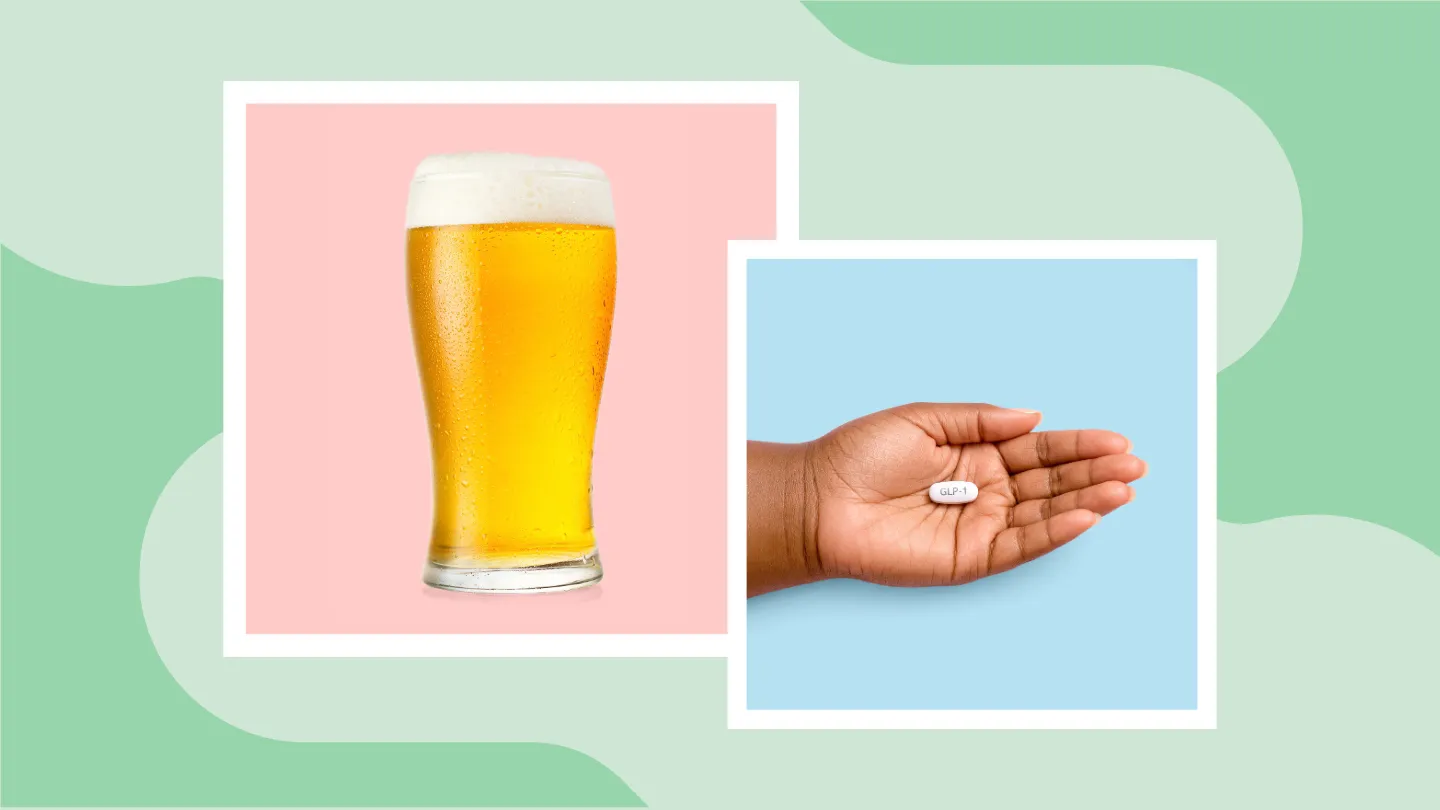


# Navigating Alcohol Consumption While Using Oral GLP-1 Medications
For individuals prescribed oral GLP-1 receptor agonists for weight management, questions regarding lifestyle adjustments-specifically alcohol intake-are common. While clinical evidence suggests that alcohol does not necessarily inhibit the pharmacological efficacy of these medications, experts emphasize that the combination can significantly alter your physical experience and comfort levels during your treatment journey.
## The Synergy of Gastrointestinal Distress
A primary concern when mixing alcohol with GLP-1 therapy is the compounding effect on the digestive system. Both substances are known to trigger gastrointestinal discomfort, including nausea, vomiting, diarrhea, and acid reflux.
According to Christopher Weber, MD, CSCS, an obesity medicine specialist at Ascension Medical Group, the risk of these adverse events is particularly high during the initial phase of treatment or immediately following a dosage increase. Because the body is already adjusting to the medication’s impact on gastric emptying, introducing alcohol can exacerbate these symptoms, turning a manageable side effect into a disruptive one.
## Hydration Challenges and Metabolic Risks
Beyond digestive issues, there is a critical concern regarding fluid balance. Many patients report a diminished sense of thirst while on GLP-1 therapy, which can inadvertently lead to chronic dehydration.
When you factor in alcohol-a known diuretic that promotes fluid loss-the risk of becoming dehydrated increases substantially. Proper hydration is essential for metabolic health and kidney function, especially when the body is undergoing the physiological changes associated with weight loss.
## Understanding the Broader Impact
While the medication continues to function as intended regarding how well oral GLP-1 medications work, it is important to consider the “empty calories” alcohol provides. Alcohol can hinder weight loss progress by providing high-calorie intake without nutritional value, potentially counteracting the caloric deficit the medication is designed to support. Furthermore, alcohol can lower inhibitions, which may lead to poor dietary choices that conflict with the nutritional goals set by your healthcare provider.
If you are currently taking these medications, it is advisable to monitor your body’s response closely and prioritize water intake to mitigate the diuretic effects of alcohol. Always consult with your physician before making changes to your diet or alcohol consumption habits while on a prescription regimen.