



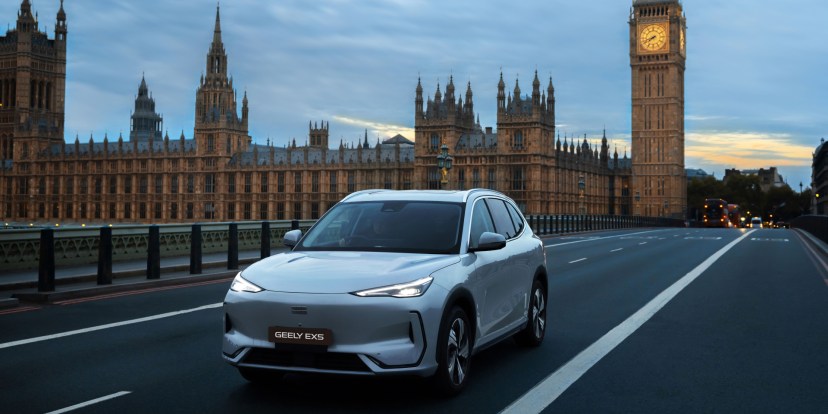

The UK’s Automotive Crossroads: Navigating the EV Tariff Dilemma
The United Kingdom currently faces a high-stakes economic pivot point that will define the future of its transport sector for decades. Policymakers are trapped in a complex geopolitical tug-of-war: should the nation embrace the influx of budget-friendly Chinese electric vehicles (EVs) that are rapidly democratizing green travel, or should it mirror the European Union’s protectionist stance by imposing heavy trade barriers to shield local manufacturing? This is a binary choice with significant consequences, and the government’s impending decision will fundamentally reshape the British automotive market.
### The Case for Open Markets and Consumer Choice
For years, the transition to electric mobility has been criticized for being an elitist endeavor. Since 2019, the push toward net-zero transport has largely benefited corporate fleets and affluent buyers who could absorb the premium costs of early-generation EVs. The arrival of competitively priced Chinese models has finally begun to break this cycle, offering a much-needed entry point for the average consumer.
Recent market data highlights this shift; for instance, Chinese-manufactured EVs are often priced significantly lower than their European counterparts, sometimes by as much as 20-30%, due to highly efficient supply chains and state-backed battery production. By keeping trade routes open, the UK could accelerate its decarbonization targets by making sustainable transport accessible to the mass market rather than keeping it behind a paywall of high MSRPs.
### The Protectionist Argument: Safeguarding Domestic Industry
Conversely, aligning with Brussels to implement tariffs-which could reach as high as 45%-is framed as a necessary defense for the domestic automotive industry. Proponents argue that without these levies, local manufacturers cannot compete with the subsidized pricing models of international rivals.
However, this strategy carries a heavy risk. Much like the historical “infant industry” arguments used in the 20th century to protect domestic steel, these tariffs could inadvertently stifle innovation by insulating local firms from global competition. Instead of fostering a robust domestic sector, such measures might simply lead to higher prices for British drivers, potentially stalling the adoption of EVs at a time when the government is desperate to meet its climate commitments.
### A Defining Moment for British Transport
The path forward is far from clear. If the UK chooses to prioritize protectionism, it risks alienating a major source of affordable technology. If it chooses to remain an open market, it must find a way to support its own manufacturers without relying on trade walls. As the government weighs these options, the automotive industry remains in a state of uncertainty, waiting to see if the UK will choose the path of global integration or defensive isolation.