


With a background spanning over a decade and a half in the professional photography sector, Antonio transitioned into tech journalism in 2021. He currently serves as a dedicated reviewer for The Verge, focusing on the latest laptop releases and consumer electronics.
The Evolution of Googlebook Navigation
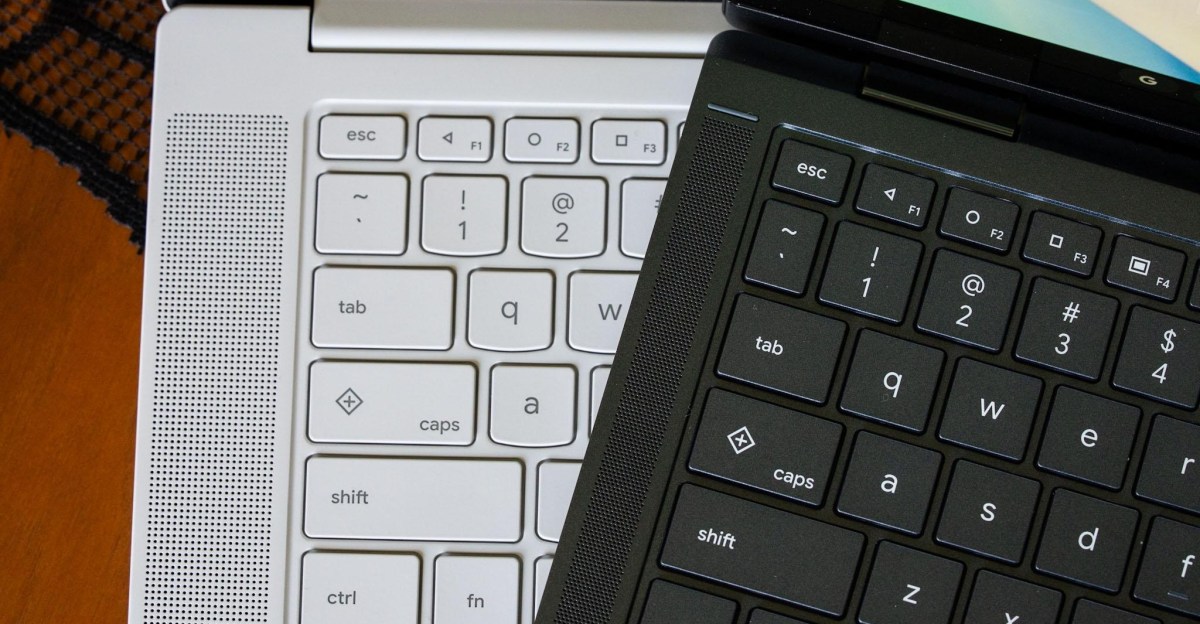
There is a prevailing myth circulating among tech enthusiasts that the “Quick Insert” and Google logo keys found on modern Googlebooks are brand-new innovations. In reality, these features have been part of the ecosystem for several years, having made their initial appearance on select Chromebook models well before the current hype cycle. However, Googlebooks have recently integrated a design element that feels like a direct callback to the mobile landscape of 2014.
A Nostalgic Interface for Modern Hardware
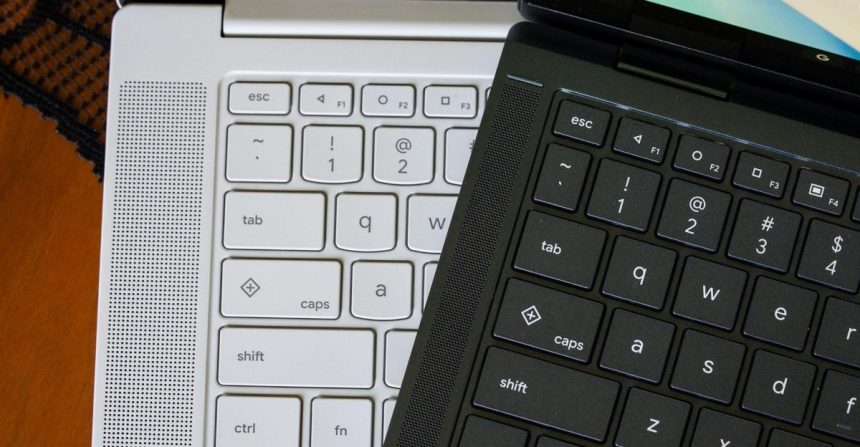
If you examine the top row of a Googlebook keyboard, you will notice the F1, F2, and F3 keys feature the iconic triangle, circle, and square symbols. These shapes are instantly recognizable to anyone who used Android 5.0 Lollipop. During that era, these icons served as the universal standard for “Back,” “Home,” and “App Switcher” functions before the industry shifted toward the gesture-based controls we use today. Interestingly, these legacy navigation methods remain a staple of the user experience, persisting as an accessibility option even in the latest iterations of the Android operating system.
How These Keys Function in the Googlebook Ecosystem
Translating these mobile-first controls to a laptop environment provides a surprisingly intuitive workflow:
- The Triangle (Back): Functions as a universal “go back” command, mirroring the behavior of a browser back button or a mobile navigation trigger.
- The Circle (Home): Acts as a desktop-clearing shortcut, instantly minimizing all active windows to reveal the home screen.
- The Square (App Switcher): Triggers an overview of all active tasks, functioning similarly to macOS’s Mission Control or the Task View feature found in Windows 11.
By repurposing these familiar icons, Google is bridging the gap between mobile simplicity and desktop productivity, offering users a tactile way to manage their workspace that feels both retro and highly efficient.