

When you purchase through links in our articles, we may earn a small commission. This doesn’t affect our editorial independence.
Evaluating the Surface Laptop Ultra: Is Local AI Worth the Hardware Trade-offs?
October 7, 2026 – News Analysis
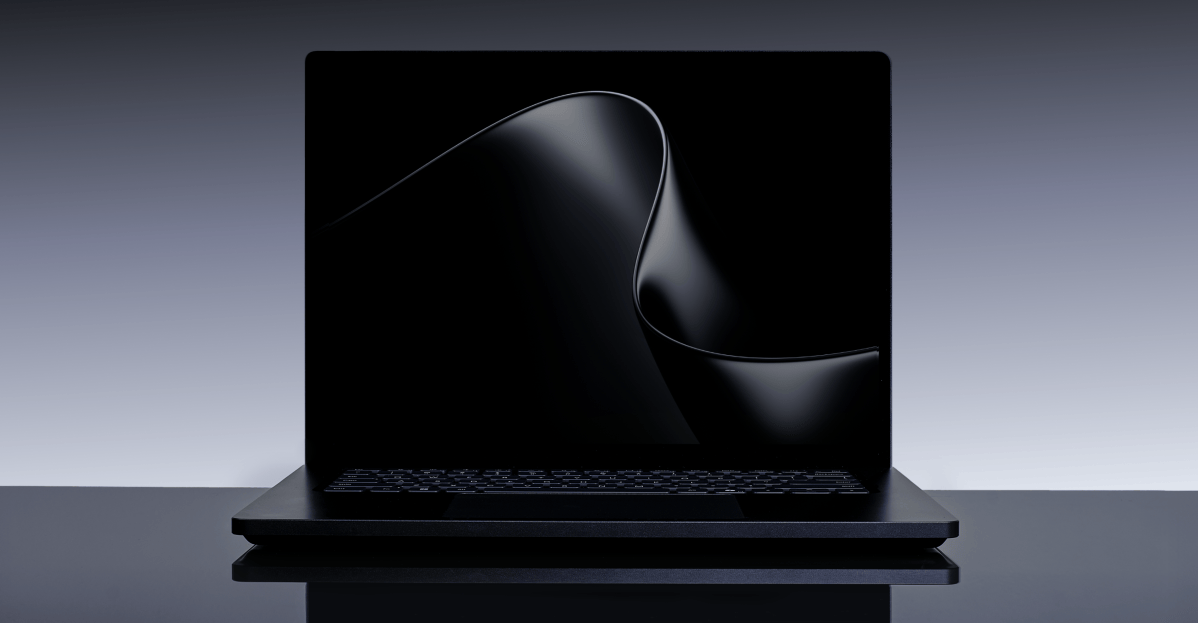
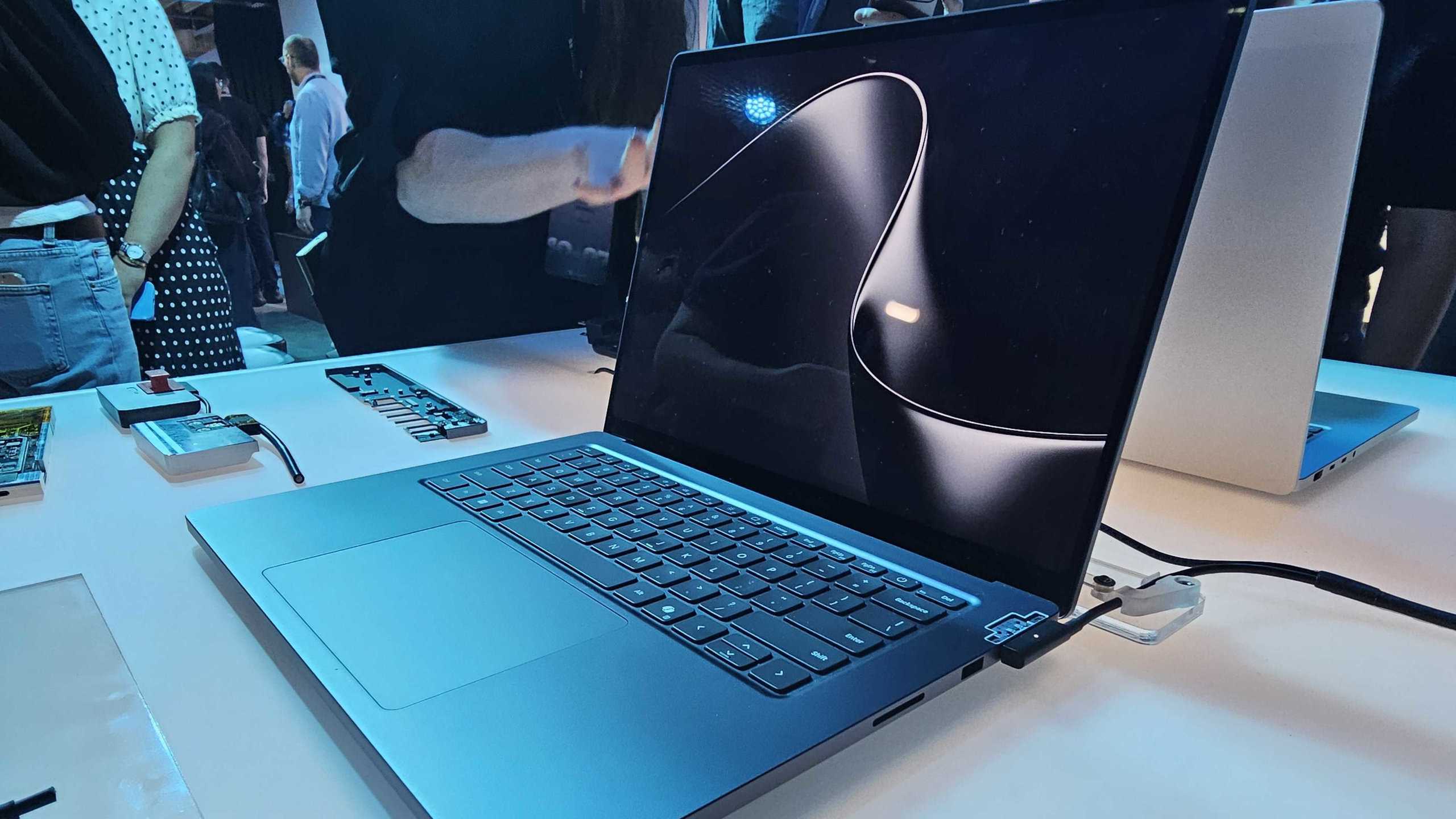
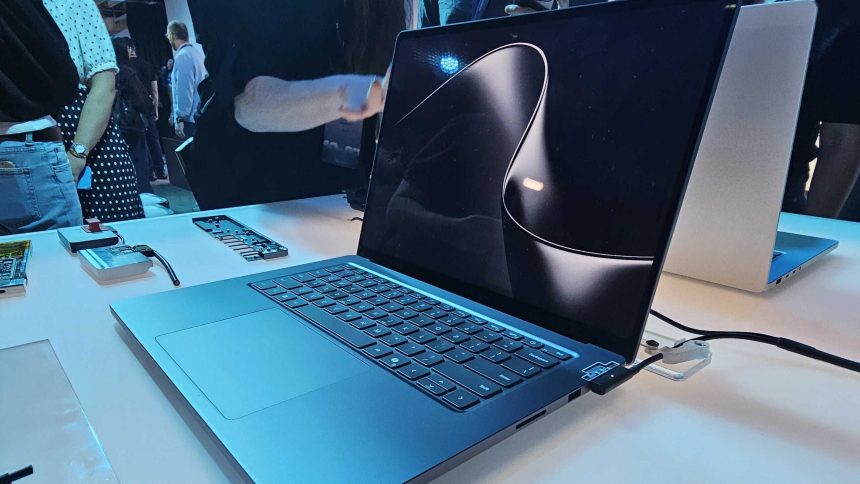
Microsoft has officially entered the high-performance mobile AI arena with the Surface Laptop Ultra. By integrating a Mediatek processor alongside Nvidia’s specialized RTX Spark SoC, the device is engineered specifically to handle intensive local AI workloads. However, as the industry shifts toward on-device processing, this machine highlights a growing tension between raw computational capability and the physical limitations of portable hardware.
The Shift Toward On-Device AI Processing
The core philosophy behind the Surface Laptop Ultra is a bet on the future of software development. Microsoft is positioning this hardware for power users and AI enthusiasts who prefer-or require-running large language models and generative tools locally rather than relying on cloud-based APIs. By keeping data processing on the machine, users gain benefits in latency and privacy, though this comes at a significant cost to the device’s thermal and power profile.
Current market trends suggest this is just the beginning of a broader hardware transition. According to recent industry projections, the market for AI-capable PCs is expected to grow by over 25% annually through 2028, as developers prioritize offline functionality for sensitive enterprise applications.
Hardware Hurdles and Practicality Concerns
While the RTX Spark SoC is a technical marvel, it introduces a “power-hungry” reality that may alienate the average mobile professional. Running complex AI models locally demands a constant, high-wattage draw that challenges traditional battery chemistry. Much like a high-performance sports car that requires frequent refueling, the Surface Laptop Ultra faces a difficult balancing act: providing desktop-class AI performance while maintaining a form factor that is supposed to be portable.
Beyond Microsoft’s flagship, the ecosystem is expanding rapidly. Consumers can expect to see similar configurations from major manufacturers like Dell, HP, and MSI, all vying to capture the segment of the market that demands “AI-first” hardware. These competitors will likely face the same scrutiny regarding battery longevity and thermal management as they attempt to squeeze high-end silicon into thin-and-light chassis.