




When you purchase through links in our articles, we may earn a small commission. This doesn’t affect our editorial independence.
Unlocking Potential: The Custom ROM Future for Googlebooks
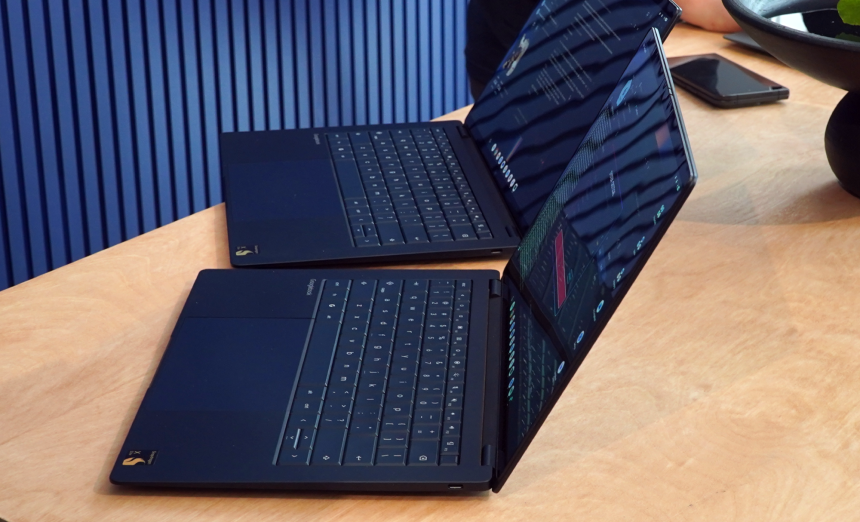
Recent documentation from support channels confirms that Googlebooks will ship with an unlockable bootloader. For the enthusiast community, this is a significant revelation, as it paves the way for the installation of custom ROMs-a practice long associated with the Android ecosystem. While the hardware is optimized for Google’s proprietary software, the ability to bypass these restrictions suggests that power users may soon have the freedom to experiment with alternative operating systems.
A Skeptic’s Perspective on the Googlebooks Launch
My attendance at the official Googlebooks unveiling was driven more by logistical convenience than genuine anticipation. Living in the New York City area, commuting to media briefings is a routine part of the job. As the lead for the Performance desk, I approached the device with a healthy dose of skepticism. The heavy emphasis on “AI” integration felt like a marketing trend rather than a functional necessity, and I initially viewed the hardware as a mere evolution of the existing Chromebook line.
My primary motivation for attending was to support our AI expert, who was tasked with dissecting the machine’s capabilities. Much like how a mechanic might view a new electric vehicle with a mix of curiosity and caution, I was prepared to be unimpressed by the software-heavy pitch. However, the news regarding the bootloader has shifted my outlook. While I previously viewed the Googlebooks as the anti-personal PC, the prospect of deep-level customization makes the hardware far more intriguing than its AI-centric marketing suggests.
In the current landscape, where locked-down ecosystems are the norm, the decision to allow bootloader unlocking is a rare nod to the developer community. Whether this leads to a vibrant scene of community-driven firmware remains to be seen, but it certainly transforms the Googlebooks from a closed appliance into a potential playground for tinkerers.